
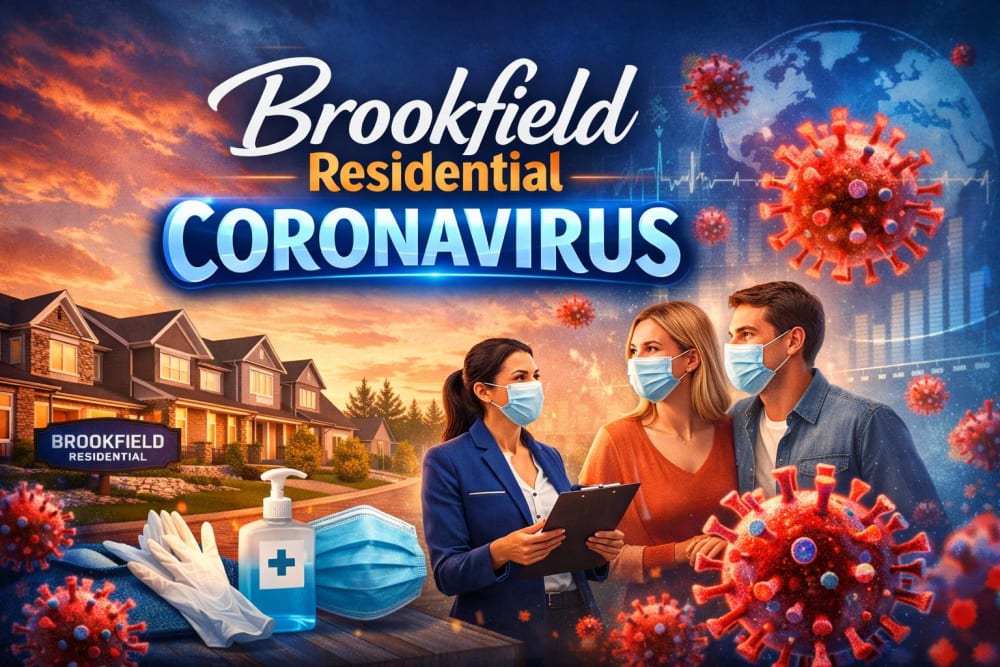
Brookfield Residential’s response to the coronavirus pandemic highlights the importance of adaptability, innovation, and social responsibility in times of crisis. By implementing strict safety measures on construction sites, enabling remote work, and embracing digital homebuying tools, the company successfully maintained operations while protecting employees and customers. These efforts not only ensured business continuity but also strengthened trust and confidence among homebuyers navigating an uncertain environment.
Looking forward, the pandemic has left a lasting impact on the homebuilding industry. Brookfield Residential’s adoption of virtual tools, health-focused practices, and community engagement initiatives reflects a forward-thinking approach that will continue to benefit both the company and its customers. By prioritizing safety, convenience, and evolving market needs, Brookfield Residential sets a standard for resilience and innovation, offering valuable insights for businesses seeking to navigate future challenges.
Health and Safety Measures on Construction Sites
At the core of Brookfield Residential’s pandemic strategy was the health and safety of employees and customers. Construction sites, by nature, involve close interactions among workers, subcontractors, and visitors, which posed a significant risk of virus transmission. To mitigate these risks, the company implemented comprehensive safety measures aligned with public health guidelines.
Mandatory face masks and personal protective equipment (PPE) became standard across all sites. Workers underwent daily temperature checks and health screenings, ensuring that anyone showing symptoms of COVID‑19 could be identified early and prevented from entering communal areas. Crew sizes were reduced to maintain social distancing, and enhanced cleaning protocols were introduced to sanitize high-touch surfaces and shared tools.
By prioritizing health on-site, Brookfield Residential not only ensured the safety of its workforce but also maintained trust with prospective homebuyers, who could visit model homes and communities with confidence.
Transition to Digital Homebuying
The pandemic accelerated the adoption of digital tools in the homebuying process, a trend that Brookfield Residential embraced quickly. With lockdowns and restrictions on in-person visits, the company leveraged technology to maintain engagement with customers while reducing physical contact.
Virtual home tours became a cornerstone of this strategy. Prospective buyers could explore floor plans and model homes online, often complemented by 3D walkthroughs and interactive design tools. Electronic contract signing enabled transactions to move forward without the need for face-to-face meetings, while video consultations allowed sales teams to guide buyers through the selection of finishes, layouts, and community amenities.
This digital transformation not only ensured continuity during the pandemic but also established a long-term model for remote homebuying, reflecting the changing preferences of tech-savvy buyers who value convenience and safety.
Remote Work for Corporate Staff
Brookfield Residential also transitioned its corporate workforce to remote operations where possible. Employees in administrative, design, and sales roles adapted to work-from-home arrangements using cloud-based collaboration tools, virtual meetings, and digital project management systems.
This shift maintained productivity while minimizing health risks. The company's investment in technology infrastructure highlighted the importance of business continuity planning in the face of sudden disruptions. Teams remained connected, decisions were made in real-time, and projects progressed despite the challenges of remote coordination.
Challenges in Construction and Supply Chain
Even with safety protocols and remote work in place, Brookfield Residential faced significant operational hurdles during the pandemic. Construction schedules were impacted by social distancing requirements and temporary lockdowns, leading to delays in project timelines.
Supply chain disruptions created additional challenges, as essential materials such as lumber, steel, and plumbing components experienced shortages or increased costs. The company had to balance resource management with the demand for timely delivery, often revising timelines and strategies to ensure projects stayed on track.
These challenges illustrated the broader vulnerabilities of the homebuilding industry and underscored the need for adaptability and resilience in crisis management.
Shifts in Homebuyer Preferences
The pandemic also transformed buyer priorities. As remote work became widespread, homebuyers sought larger homes with dedicated office spaces, outdoor areas, and flexible layouts. Suburban communities grew in popularity as people looked for more space and safety compared to dense urban centers.
Brookfield Residential’s focus on master-planned communities positioned the company well to meet these emerging needs. By anticipating these trends, the company could align new developments with shifting market demands, ensuring both appeal and functionality for buyers navigating a post-pandemic lifestyle.
Community Support and Corporate Responsibility
Beyond operational adjustments, Brookfield Residential demonstrated a commitment to community support during COVID-19. The company contributed to relief efforts, including donating personal protective equipment to healthcare providers and supporting local food banks. Community engagement initiatives reinforced its reputation as a socially responsible developer, highlighting the human side of corporate operations in times of crisis.
Long-Term Implications of the Pandemic
The pandemic’s impact on Brookfield Residential will extend beyond immediate safety measures. Digital tools and virtual processes implemented during COVID-19 are likely to become permanent fixtures, offering buyers greater flexibility and convenience. Health-conscious design considerations, such as improved ventilation and touchless features, may also influence future developments.
Moreover, the experience reinforced the importance of preparedness and agility in corporate strategy. Companies that can respond swiftly to crises with innovative solutions and strong communication are better positioned to sustain operations and build trust with customers.
Conclusion
Brookfield Residential’s response to the coronavirus pandemic highlights the importance of adaptability, innovation, and social responsibility in times of crisis. By implementing strict safety measures on construction sites, enabling remote work, and embracing digital homebuying tools, the company successfully maintained operations while protecting employees and customers. These efforts not only ensured business continuity but also strengthened trust and confidence among homebuyers navigating an uncertain environment.
Looking forward, the pandemic has left a lasting impact on the homebuilding industry. Brookfield Residential’s adoption of virtual tools, health-focused practices, and community engagement initiatives reflects a forward-thinking approach that will continue to benefit both the company and its customers. By prioritizing safety, convenience, and evolving market needs, Brookfield Residential sets a standard for resilience and innovation. For professional support in content creation and digital strategies, hire Tulu e Biz to elevate your business with high-quality solutions.
FAQs
1. What measures did Brookfield Residential take during the Coronavirus pandemic?
Brookfield Residential Coronavirus response included strict safety protocols on construction sites, remote work for corporate staff, virtual homebuying tools, and community support initiatives to ensure both employee and customer safety.
2. How did the pandemic affect homebuying trends for Brookfield Residential?
The COVID‑19 pandemic shifted buyer preferences toward larger homes with dedicated office spaces, outdoor areas, and suburban communities, which aligned with Brookfield Residential’s master-planned communities.
3. What digital tools did Brookfield Residential use during COVID‑19?
The company implemented virtual home tours, 3D walkthroughs, online consultations, and electronic contract signing to allow buyers to safely complete transactions remotely.
4. How did Brookfield Residential support communities during the pandemic?
They contributed to local charities, donated PPE, assisted food banks, and implemented programs to support vulnerable households, emphasizing corporate social responsibility during COVID‑19.
5. What long-term changes did Brookfield Residential adopt after the pandemic?
Permanent digital homebuying tools, health-conscious design features, and flexible operational strategies were implemented to maintain safety, convenience, and efficiency in future projects.
Enjoyed this article? Share it with others!