
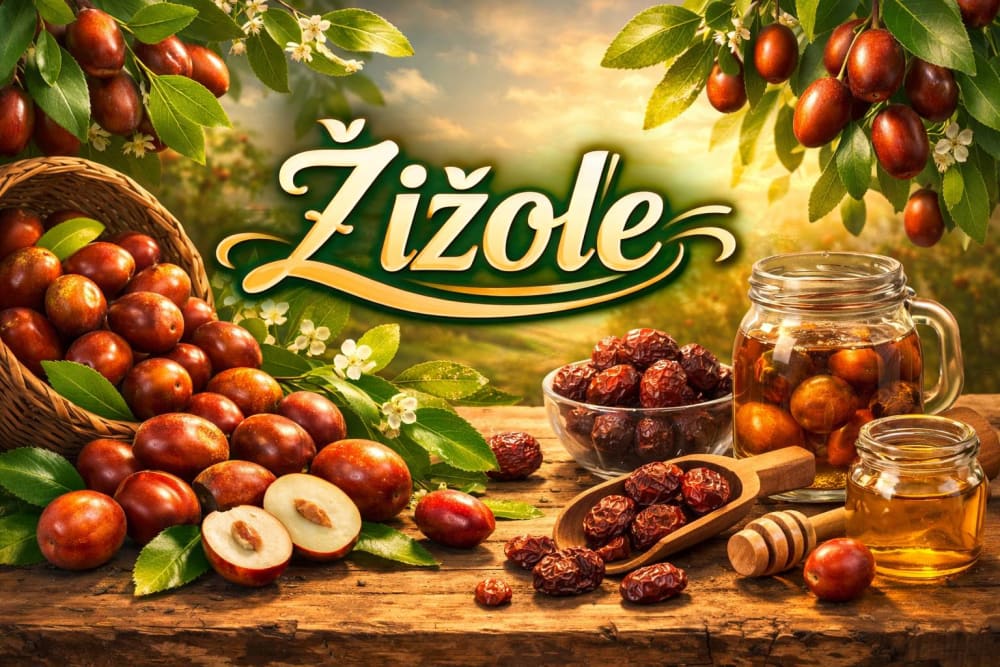
Žižole, also known as the jujube fruit or Chinese date, is a small but nutrient-rich fruit cherished for its unique taste, versatile uses, and long history. Native to China, Žižole has been cultivated for thousands of years and gradually spread to the Middle East, the Mediterranean, and other regions around the world. Its fresh fruit is crisp and mildly sweet, while the dried version offers a chewy, date-like texture with concentrated sweetness, making it perfect for snacks, teas, desserts, and even traditional remedies.
Beyond its delightful taste, Žižole is celebrated for its impressive nutritional profile and health benefits. Packed with vitamin C, fiber, potassium, and antioxidants, it supports immunity, digestion, cardiovascular health, and skin vitality. Over centuries, this fruit has not only been valued for its culinary uses but also for its cultural and medicinal significance, symbolizing prosperity and wellness in many traditions. Whether consumed fresh, dried, or incorporated into recipes, Žižole provides a unique combination of flavor, nutrition, and heritage.
Origin and History
Žižole has a rich history that dates back over 4,000 years, with its origins in China. The fruit quickly became integral to traditional Chinese medicine, where it was used for its calming properties, digestive benefits, and nutritional value. Over centuries, trade routes carried Žižole to the Middle East, the Mediterranean, and eventually parts of Europe, spreading its culinary and medicinal uses across cultures.
In many regions, Žižole is not just food; it holds symbolic significance. It is often associated with prosperity, fertility, and good fortune. This cultural reverence adds to the fruit’s appeal, connecting modern consumers with ancient traditions.
Nutritional Value of Žižole
One of the reasons Žižole has maintained its popularity is its exceptional nutritional profile. Rich in vitamins, minerals, and antioxidants, it provides a natural boost to overall health. Some of the key nutrients found in Žižole include:
- Vitamin C: Supports immune function and collagen production, contributing to healthier skin and resistance to infections.
- Dietary Fiber: Aids digestion and promotes gut health, helping to maintain regular bowel movements.
- Potassium: Helps regulate blood pressure and supports cardiovascular health.
- Iron: Essential for producing red blood cells and preventing anemia.
- Polyphenols and Antioxidants: Protect the body from free radical damage and promote long-term health.
Fresh Žižole is crisp and hydrating, making it a refreshing snack, while dried Žižole becomes sweet and chewy, perfect for long-term storage and use in recipes.
Health Benefits of Žižole
Žižole offers a wide range of health benefits, many of which are supported by centuries of traditional use and modern research. Some of the most notable advantages include:
- Immune Support: The high vitamin C content strengthens the immune system, helping the body fight infections.
- Improved Sleep: Certain compounds in Žižole, such as saponins, are believed to promote relaxation and improve sleep quality.
- Digestive Health: Dietary fiber aids digestion and supports a healthy gut microbiome.
- Heart Health: Potassium and antioxidants contribute to healthy cardiovascular function and blood pressure regulation.
- Skin Health: Vitamin C and antioxidants help maintain skin elasticity and prevent premature aging.
Including Žižole in your diet, whether fresh, dried, or as part of teas and herbal remedies, can provide a natural way to enhance overall well-being.
Culinary Uses
Žižole is incredibly versatile in the kitchen, used in both sweet and savory dishes. Fresh fruit is often eaten raw as a snack or added to salads for a sweet, crisp texture. Dried Žižole is popular in desserts, jams, and syrups, offering a concentrated sweetness that pairs well with nuts and spices.
Traditional uses of Žižole include herbal teas and infusions, which are believed to support digestion and relaxation. In some cultures, the fruit is even fermented to make alcoholic beverages, while in others, it is boiled in soups or stews to impart natural sweetness and nutritional value. This adaptability makes Žižole a favorite ingredient in kitchens across Asia, the Mediterranean, and beyond.
Growing and Cultivation
The Žižole tree is hardy and low-maintenance, making it suitable for a variety of climates, especially warm, dry regions. It is drought-resistant and can thrive in poor soil conditions, which contributes to its historical spread across different continents. Modern cultivation focuses on producing both fresh and dried fruits, with careful harvesting to preserve flavor, texture, and nutritional content.
For those interested in home gardening, planting a Žižole tree can be a rewarding experience. The trees are relatively small, making them suitable for gardens, and they provide both ornamental beauty and edible fruit. With minimal care, they can yield fruit for decades, offering a long-term supply of this nutritious superfruit.
Cultural Significance
Beyond its nutritional and culinary appeal, Žižole carries cultural importance in many regions. In Chinese traditions, it symbolizes prosperity and is used in ceremonies and offerings. In the Mediterranean, it is valued not only as food but also as part of folk medicine practices. Across the Balkans, Žižole is recognized for its health-promoting qualities and is often included in family recipes and remedies.
These cultural connections enhance the fruit’s story, making it more than just a food item it is a link to history, tradition, and community wellness.
Fresh vs. Dried Žižole
Understanding the differences between fresh and dried Žižole is important for both culinary and nutritional purposes. Fresh Žižole is crisp, juicy, and mildly sweet, making it ideal for immediate consumption. Dried Žižole, on the other hand, is chewier, with a concentrated sweetness and a longer shelf life, making it perfect for cooking, baking, or preserving as a snack. Both forms retain essential nutrients, though some vitamin content may be reduced during drying.
Including both types in your diet allows you to enjoy the unique flavors and benefits of Žižole year-round.
Conclusion
Žižole is more than just a fruit. It is a remarkable blend of taste, nutrition, and tradition. From its origins in ancient China to its widespread use across cultures, Žižole continues to be valued for its unique flavor, versatility, and health benefits. Whether eaten fresh for a crisp snack, dried for sweet treats, or brewed in teas and culinary dishes, this small fruit offers a big impact on overall wellness. Its rich content of vitamins, minerals, and antioxidants makes it an excellent natural choice for supporting immunity, digestion, heart health, and skin vitality.
Incorporating Žižole into your daily diet allows you to enjoy its culinary delights while connecting with centuries of cultural and medicinal heritage. Its adaptability in recipes and easy cultivation add to its appeal, making it accessible to both home gardeners and culinary enthusiasts. Exploring Žižole is an opportunity to enrich your meals, enhance your health, and appreciate a fruit that has stood the test of time. For expert guidance on content creation, digital strategies, or growing your online presence, you can hire Tulu e Biz to maximize reach and impact.
FAQs
1. What are Žižole and why are they beneficial for health?
Žižole, also known as jujube or Chinese dates, are small oval fruits prized for their rich nutritional profile. They are packed with vitamin C, fiber, potassium, and antioxidants, which help support immunity, digestion, heart health, and skin vitality. Fresh Žižole has a crisp texture, while dried fruit is sweet and chewy, making them versatile for both snacking and cooking.
2. How can I eat Žižole?**
Žižole can be enjoyed fresh as a healthy snack or dried for use in desserts, jams, syrups, and herbal teas. They can also be boiled in soups or stews to add natural sweetness and nutrients. Some cultures even ferment Žižole to make traditional beverages.
**3. What is the difference between fresh and dried Žižole?
Fresh Žižole is crisp, juicy, and mildly sweet, ideal for immediate consumption. Dried Žižole is chewier with concentrated sweetness and a longer shelf life, making it perfect for cooking, baking, or storing as a snack. Both forms retain important vitamins and minerals, though some vitamin C may be slightly reduced in dried fruit.
4. Can Žižole help improve sleep or relaxation?
Yes, Žižole contains compounds such as saponins that are traditionally believed to promote relaxation and improve sleep quality. Consuming them as part of a balanced diet or in herbal teas may support better sleep patterns naturally.
5. Where can I grow Žižole trees and how easy are they to cultivate?
Žižole trees thrive in warm, dry climates and are known for being drought-resistant and low-maintenance. They can grow in various soil types and require minimal care, making them suitable for home gardens or larger cultivation. Proper harvesting ensures optimal flavor, texture, and nutrition of the fruit.
Enjoyed this article? Share it with others!