
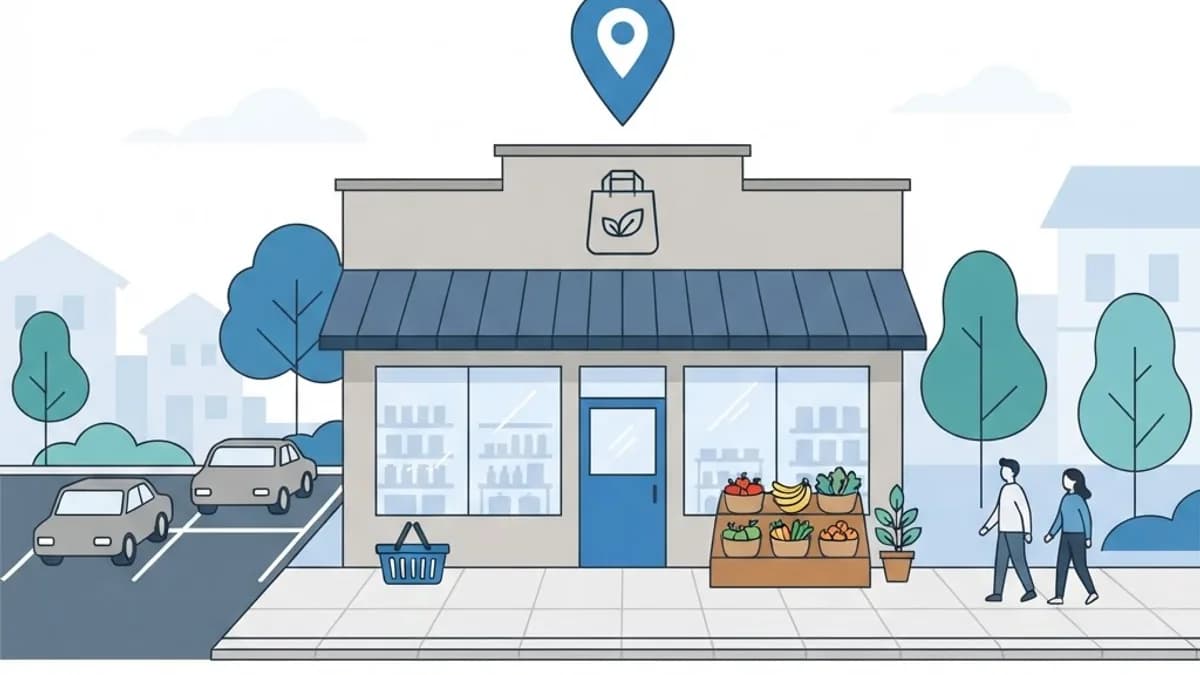
If you have searched for Sloan Market in Sloan, New York, you are probably looking for exactly the kind of place that is disappearing from American communities: a neighborhood grocery within walking distance, where the staff recognize regulars and the inventory reflects what people on that street actually cook.
Sloan is a small village in Erie County, just east of Buffalo, with a population in the low thousands. In a community that size, a local market is not a convenience. It is infrastructure.
This guide explains what neighborhood markets like Sloan Market provide, how to shop them effectively, the pressures they face, and why supporting them genuinely matters to the surrounding area.
What Is a Neighborhood Market Like Sloan Market?
A neighborhood market is a small-format grocery or convenience store serving a defined local area, typically ranging from a few hundred to a few thousand square feet. It stocks fresh produce, meat, dairy, pantry staples, and often prepared foods or a deli counter.
The business model differs fundamentally from a supermarket chain. Volume is lower, so margins depend on turnover of high-demand items, local loyalty, and often a specialty niche — a strong butcher counter, ethnic ingredients, or house-made prepared foods.
The defining advantage of a neighborhood market is proximity combined with knowledge of its customers. A store like this can stock a specific brand because three families asked for it, something no regional chain would ever do.
Who Relies on Local Markets?
Small markets serve segments of the community that large-format retail often underserves.
- Older residents who cannot easily drive to a distant supermarket
- Households without a car for whom walking distance determines food access
- Working families needing a quick weeknight stop rather than a full shopping trip
- Nearby workers buying lunch, coffee, or a deli sandwich
- Cooks seeking specialty items that reflect the neighborhood's cultural makeup
Key Features to Expect
Fresh Produce and Everyday Staples
A well-run small market keeps a tight, high-turnover produce selection rather than a sprawling one. You will find the twenty or thirty items people actually buy weekly, kept fresh because they sell through quickly rather than sitting under misters for a week.
Deli, Meat, and Prepared Foods
The counter is often where small markets genuinely beat chains. A real butcher will cut to order, recommend a cheaper cut for a braise, and set aside something you asked about. Prepared foods and sandwiches drive daily traffic that packaged goods alone cannot.
Local and Regional Products
Western New York markets frequently carry regional favorites that national chains overlook — local sausage, area dairy, Buffalo-specific condiments, and baked goods from nearby producers. That inventory is a genuine differentiator.
Walkable Convenience and Service
The real product is time. Being able to get eggs in six minutes instead of forty is worth a modest price premium to most people, and the personal service means questions get answered by someone who knows the answer.
How to Make the Most of a Local Market
Shopping a small market well is a slightly different skill than navigating a supermarket.
- Call ahead or check online for current hours, since small independents adjust schedules more often than chains.
- Use it for fresh, fast, and specialty purchases while buying bulk pantry and household goods elsewhere.
- Ask the counter staff what came in fresh that day — they will tell you honestly.
- Request items you cannot find. Small stores often order specifically for regular customers.
- Learn the delivery rhythm, since produce and meat quality peaks on certain days each week.
- Pay attention to in-store specials, which frequently are not advertised anywhere online.
Benefits of Shopping Locally
The case for the neighborhood market goes beyond convenience.
- A significantly larger share of each dollar stays in the local economy compared with chain retail
- Genuine food access for residents without reliable transportation
- Less driving, which means lower cost and lower emissions per shopping trip
- Personal service and accountability you cannot get from a self-checkout
- An occupied, active storefront that anchors the surrounding street
Potential Challenges Small Markets Face
Independent grocers operate on some of the thinnest margins in retail, and the pressures are real.
- Wholesale price disadvantage against chains that buy at national scale
- Limited floor space forcing hard choices about what to stock
- Staffing difficulty in a tight labor market with low retail margins
- Weak digital presence, which means locals searching online often cannot confirm hours or offerings
Best Practices for Independent Market Owners
Small markets that grow tend to do a few specific things well.
- Claim and maintain your Google Business Profile with accurate hours, photos, and category listings — this is the single highest-return marketing action available
- Build a simple, fast website with hours, location, and weekly specials, which straightforward WordPress development makes affordable even at small scale
- Own a niche instead of competing on breadth — a standout butcher counter or prepared-food program beats a slightly worse version of a supermarket
- Post consistently to reach neighbors, since active social media management is how small stores announce specials and stay top of mind
Real-World Example
Consider a family-run market in a village of similar size to Sloan. For years its only online presence was an outdated third-party listing with wrong hours, and newer residents assumed it had closed.
The owners spent a modest amount fixing that. They claimed their business profile, uploaded twenty current photos, listed accurate hours, and built a single-page website showing weekly meat specials. They started posting a photo of the day's fresh cuts each morning.
Within four months, walk-in traffic from people who found them online became measurable, and the meat counter — their highest-margin department — grew noticeably. Nothing about the store changed. Only its visibility did. For a small independent grocer, that is often where the largest untapped growth sits.
Why It Matters
When a neighborhood market closes, the effect is not just one fewer place to shop. Residents without cars lose practical access to fresh food, foot traffic that supported adjacent businesses evaporates, and a vacant storefront begins pulling down the street around it.
Villages like Sloan depend on a handful of anchor businesses to stay walkable and livable. Shopping there deliberately, even for part of your weekly needs, is one of the more direct ways to influence what your own neighborhood looks like in ten years.
Frequently Asked Questions
Where is Sloan, New York located?
Sloan is a small village in Erie County, New York, situated just east of the City of Buffalo and adjacent to Cheektowaga. Its compact size means most residents live within walking distance of the village's main commercial street.
Are neighborhood markets more expensive than supermarkets?
On packaged and bulk goods, usually yes, because small stores lack chain purchasing power. On fresh meat, deli items, and specialty products, small markets are often competitive and sometimes better, since quality and cut-to-order service add value the price alone does not capture.
How can I confirm a local market's hours?
Call directly. Independent stores adjust hours around holidays, staffing, and seasons more often than chains, and third-party listings frequently lag behind reality. A phone call is faster and more reliable than any app.
What is the best way to support a local market?
Shop there consistently rather than occasionally, buy from the departments where they excel, leave an honest online review, and tell neighbors. Reviews and word of mouth are how small stores reach people who do not already know they exist.
Conclusion
Sloan Market in Sloan, New York represents a category of business worth paying attention to: the walkable neighborhood grocer that keeps a small village functioning. Use it for fresh items, ask questions at the counter, and leave a review that helps the next person find it.
If you run a local market and want neighbors to find you when they search, consider a straightforward local business website — for most small grocers it is the cheapest growth available.
Enjoyed this article? Share it with others!