
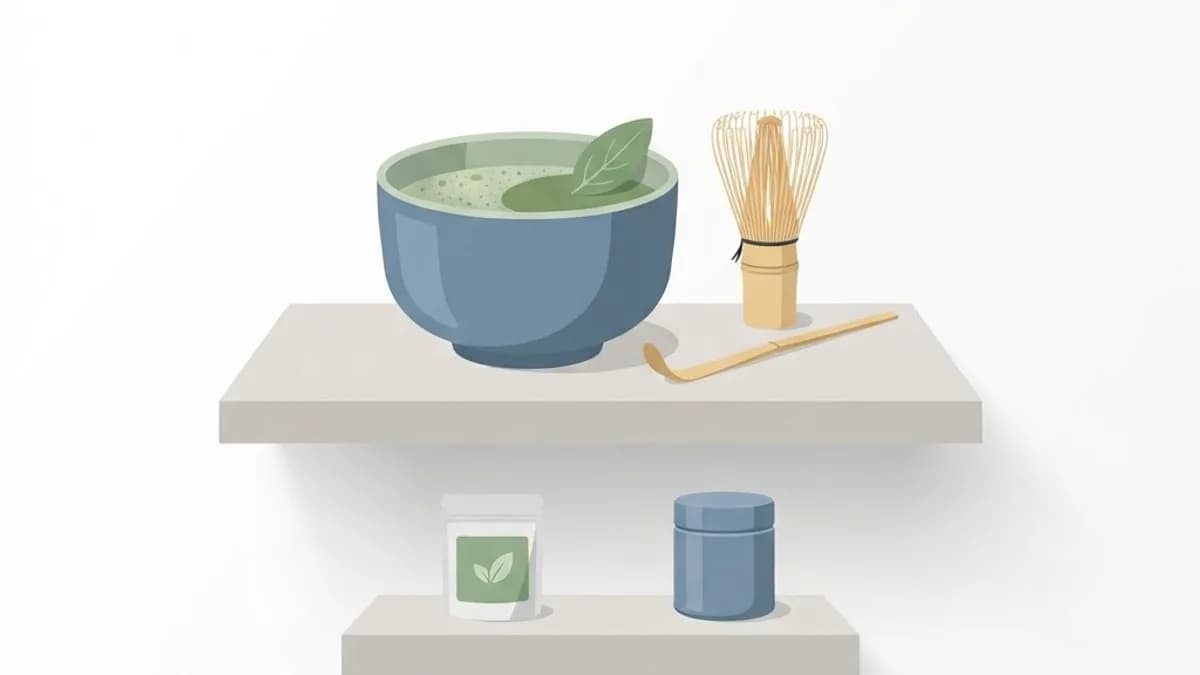
The Matchaful clean market represents one of the clearest examples of a wellness category maturing fast. What began as a niche interest in ceremonial-grade green tea has grown into a full clean-label segment with real standards around sourcing, testing, and transparency.
Shoppers in this space are unusually informed. They ask where the leaves were grown, whether heavy metals were tested for, how shade-growing was handled, and whether the brand can prove any of it. That level of scrutiny reshapes how a matcha company markets itself.
This article looks at what the clean matcha market actually demands, who is buying, how brands operate inside it, and the practical steps a business can take to compete without overpromising.
What Is the Clean Matcha Market?
Clean matcha refers to stone-ground green tea powder produced with verifiable sourcing, minimal processing, no fillers or added sugar, and third-party testing for contaminants. Matchaful helped popularize this positioning by emphasizing single-origin Japanese farms and organic certification.
The word "clean" is doing real work here. In this category, clean means traceable rather than simply natural. A clean-label matcha brand should be able to name the prefecture, describe the harvest, and share lab results on request.
That distinguishes it from commodity culinary matcha, which is often blended from multiple unnamed sources, sweetened, and sold primarily on price. Both have a place, but they compete for different customers.
Who Buys Clean Matcha?
Understanding the buyer explains why transparency outperforms discounting in this segment.
- Wellness-focused consumers replacing coffee with a slower, steadier caffeine source.
- Specialty cafes and juice bars that need consistent color and flavor for lattes.
- Yoga studios and fitness spaces stocking retail products aligned with their brand values.
- Subscription and DTC shoppers who reorder monthly and expect batch consistency.
- Recipe creators and food bloggers who drive discovery through visual content.
Key Features of a Clean Matcha Brand
Single-Origin Traceability
Naming the farm and region is the baseline credibility signal. It allows a brand to explain flavor differences between harvests instead of hiding them, which turns natural variation into a story rather than a complaint.
Third-Party Contaminant Testing
Because matcha involves consuming the whole leaf, lead and pesticide testing genuinely matters. Publishing results, even summarized, converts skeptical first-time buyers better than any marketing claim.
Grade Clarity
Ceremonial, latte, and culinary grades serve different uses. Brands that clearly explain which grade suits which preparation see fewer refunds and better reviews, since expectations match the product.
Packaging and Freshness Controls
Matcha oxidizes quickly and loses its vivid green color within weeks of exposure to air and light. Opaque, resealable, nitrogen-flushed packaging protects both quality and perceived value.
How to Enter or Grow in This Market
Building a credible presence in the clean matcha space follows a fairly predictable sequence.
- Secure a sourcing relationship you can describe honestly, including region and harvest timing.
- Commission independent lab testing before your first production run, not after complaints arrive.
- Define your grades and intended preparation methods in plain language.
- Build a storefront that surfaces sourcing, testing, and brewing guidance without burying it in a FAQ.
- Launch education-first content such as brewing tutorials and recipe guides, then layer paid acquisition on top.
- Track reorder rate as your primary health metric, since repeat purchase defines profitability here.
Benefits of a Clean-Label Positioning
Committing to transparency carries costs, but the returns compound.
- Higher average order value because informed buyers pay for verified quality.
- Stronger retention, as trust reduces the temptation to switch on price.
- Easier wholesale conversations with cafes that need documentation for their own claims.
- Natural content opportunities, since sourcing stories are genuinely interesting. Consistent storytelling is where solid content writing pays for itself.
- Defensibility against copycat competitors who cannot match verifiable claims.
Potential Challenges
The clean matcha market is attractive, which means it is also crowded and operationally demanding.
- Premium sourcing raises unit costs and squeezes margin against mass-market competitors.
- Harvest variation creates color and flavor shifts that customers may misread as declining quality.
- Shipping temperature-sensitive powder internationally adds complexity and spoilage risk.
- Regulatory language around health claims is tight, limiting what marketing can say.
Best Practices and Tips
Operators who succeed in this space tend to share a handful of habits.
- Publish a harvest note with each batch so variation reads as craft, not inconsistency.
- Include a short brewing card in every shipment. Most negative reviews trace back to water that was too hot.
- Invest in photography and product visuals that show real color, because matcha sells visually. Cohesive graphic design keeps that consistent across packaging and ads.
- Use email flows to teach rather than discount. Educated customers reorder without prompting.
Real-World Example
Picture a small matcha brand launching with two products: a ceremonial tin and a latte-grade pouch. Early traffic was decent, but conversion sat below two percent because the site led with lifestyle imagery and said almost nothing about sourcing.
The team restructured the product pages to open with origin, harvest, and testing summary, added a short preparation video, and clarified grade recommendations. They also introduced a starter set at a lower entry price. Conversion roughly doubled, and more importantly, second-order rate rose because customers finally understood what they had purchased and how to prepare it.
Why It Matters
The Matchaful clean market is a preview of where much of the wellness industry is heading. Vague natural claims no longer differentiate anything. Proof does.
Brands that treat transparency as a product feature rather than a compliance burden end up with better retention, stronger wholesale relationships, and pricing power. Those that rely on aesthetics alone face constant pressure from cheaper alternatives that look identical in a photo.
Frequently Asked Questions
What makes matcha "clean" rather than just organic?
Organic certification addresses growing inputs. Clean positioning adds traceable single-origin sourcing, third-party contaminant testing, and no fillers or sweeteners, with documentation available to customers.
Is ceremonial grade always better than culinary grade?
Not better, just different. Ceremonial grade suits drinking with water alone, while culinary and latte grades are formulated to hold flavor against milk, sweeteners, and baking.
Why does matcha color vary between orders?
Color reflects harvest timing, shade-growing duration, and freshness. Slight variation between batches is normal in single-origin products and is not a defect.
How should a new matcha brand prioritize its marketing budget?
Start with education content and product page clarity, since both improve conversion on existing traffic. Add paid acquisition only once repeat purchase rate proves the product retains customers.
Conclusion
Competing in the clean matcha market means proving what you claim: real origins, real testing, real preparation guidance. Transparency is the product differentiator, and clarity on-site is what turns interest into repeat orders.
If you are building or scaling a wellness brand and need a storefront that communicates quality convincingly, take a look at digital marketing.
Enjoyed this article? Share it with others!