
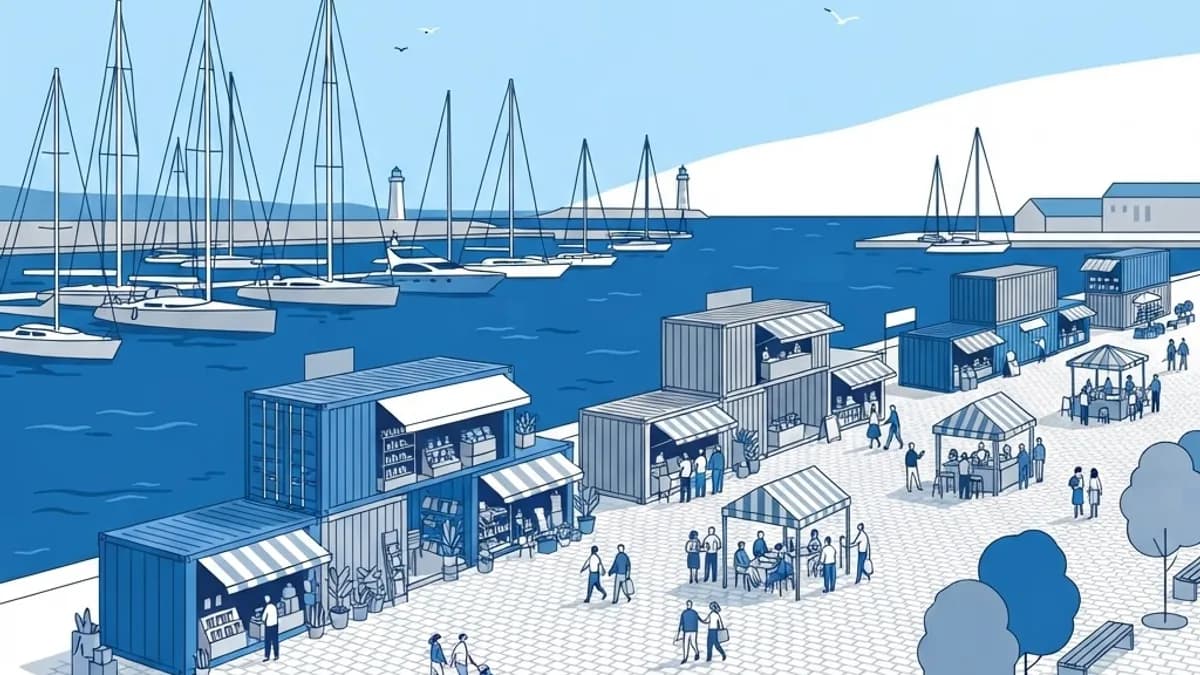
The Seaport Summer Market has become one of the most reliable warm-weather destinations for anyone who prefers buying from actual makers instead of chain retailers. Set along the waterfront with pop-up kiosks, harbor views, and a steady breeze, it delivers the rare combination of good shopping and a genuinely pleasant place to stand around.
For shoppers, it is a chance to find jewelry, apparel, art, and home goods you will not see anywhere else. For small brands, it is one of the highest-value physical retail opportunities of the year.
This guide covers both perspectives: how to get the most out of visiting the Seaport Summer Market, and how vendors can turn a season of foot traffic into lasting business growth.
What Is the Seaport Summer Market?
The Seaport Summer Market is a seasonal open-air retail market held in a waterfront seaport district, typically running from late spring through early autumn. Vendors operate from kiosks, converted containers, or canopy stalls arranged along a pedestrian plaza.
Unlike a one-day craft fair, these markets usually run on a recurring weekly or daily schedule for the full season. Some vendors hold a spot the entire summer while others rotate in for shorter residencies.
The defining characteristic is curation — organizers select vendors deliberately to create a coherent mix of local makers, emerging brands, and food operators rather than accepting anyone who pays a fee.
Who Uses the Seaport Summer Market?
The market serves several distinct groups, each with different goals.
- Local residents using it as a regular weekend browsing and social destination
- Tourists and cruise visitors looking for locally made souvenirs rather than airport merchandise
- Emerging brands testing physical retail without signing a lease
- Established online sellers wanting face-to-face customer feedback
- Food and beverage operators reaching high-volume seasonal foot traffic
Key Features of the Market
Curated Local Vendors
The vendor mix is the product. Well-run seaport markets balance categories so you are not walking past six candle sellers in a row, and they prioritize makers who can talk knowledgeably about their own work. That curation is what keeps repeat visitors coming back through the season.
Waterfront Setting and Atmosphere
Location does enormous work here. Harbor views, boardwalks, boats, and open sky make browsing feel like leisure rather than shopping. Many markets add seating, live music, and shade structures to extend how long visitors stay, which directly increases spending.
Seasonal Programming and Events
Beyond retail, these markets typically host maker workshops, live performances, fitness classes, and food pop-ups. Programming gives regulars a reason to return weekly instead of visiting once.
Low-Commitment Retail for Brands
For a small brand, a seasonal kiosk offers physical presence without a multi-year lease, buildout cost, or full-time staffing obligation. It is one of the most accessible on-ramps to brick-and-mortar retail available.
How to Apply as a Vendor
Vendor selection is competitive at established markets, so preparation matters.
- Find the official market website and locate the vendor application, which usually opens in late winter or early spring.
- Prepare a clear brand overview covering what you make, your price points, and your production capacity.
- Gather strong product photography and images of any previous booth setups, since organizers judge visual merchandising heavily.
- Confirm you meet requirements for business registration, sales tax permits, and liability insurance.
- Submit before the deadline and follow up politely if you do not hear back within the stated window.
- If accepted, plan inventory, staffing, payment processing, and daily setup logistics well before opening weekend.
Benefits for Vendors and Shoppers
Seasonal waterfront markets generate value on both sides of the table.
- Direct customer feedback that no amount of online analytics can replicate
- Brand discovery through high-volume foot traffic from people who were not searching for you
- Email and social list growth from in-person signups that convert well later
- Unique inventory for shoppers with the story of the maker attached
- Community and local economic support keeping money in the regional economy
Potential Challenges
The economics of seasonal retail are less forgiving than they look from the outside.
- Weather exposure, where a rainy stretch can wipe out a month of projected revenue
- Staffing demands for a booth that may need coverage six or seven days a week
- Seasonal cliff when the market closes and revenue drops sharply unless you have built other channels
- Inventory risk from forecasting demand for a location and audience you have never sold to
Best Practices for Market Success
The vendors who thrive treat the season as customer acquisition, not just sales.
- Capture contact information at every transaction, then stay in touch through consistent email marketing so summer buyers become winter customers
- Invest in booth visuals — cohesive signage, banners, and packaging from proper logo and brand identity design make a small kiosk look established
- Accept every common payment method and test your card reader on the actual site before opening day
- Track sales by hour and by product so you can staff and restock based on data rather than guesswork
Real-World Example
A two-person ceramics studio took a seasonal kiosk at a waterfront summer market after three years of selling only through online marketplaces. Their first month was humbling: they had priced for online buyers and merchandised without a clear focal point, and conversion was poor.
They adjusted quickly. They rebuilt the display around three hero products at eye level, added a simple sign explaining their process, and offered a small discount in exchange for an email signup. Conversion roughly doubled.
By season's end they had collected over two thousand email addresses. That list became the foundation of their holiday sales, which for the first time exceeded their entire summer market revenue. The market did not just sell pottery — it built an audience they owned.
Why It Matters
Seasonal markets like the Seaport Summer Market are one of the few remaining low-barrier paths into physical retail for independent makers. Commercial rents have priced small brands out of traditional storefronts almost everywhere, and a kiosk residency fills that gap.
The vendors who benefit most are the ones who treat the summer as the beginning rather than the whole plan. Converting seasonal foot traffic into a year-round business requires an online home, and a well-built ecommerce platform is what makes that transition possible.
Frequently Asked Questions
When does the Seaport Summer Market open and close?
Most seaport summer markets run from late spring through early fall, with peak operations in July and August. Exact opening and closing dates change annually, so confirm on the official market site before planning a visit or an application.
Is there an admission fee for shoppers?
Almost always no. These markets are free to enter because organizers earn revenue from vendor fees and sponsorships, and free access maximizes the foot traffic vendors are paying for.
How much does a vendor booth cost?
Costs vary widely by market, location, and residency length, ranging from modest weekend fees to substantial full-season kiosk rates. Ask organizers for the full fee structure including any percentage of sales, insurance requirements, and utility charges.
Can online-only brands benefit from a summer market?
Yes, often significantly. In-person selling reveals objections, pricing sensitivity, and packaging problems that online data hides. The email list and local awareness built over a season frequently outlast the sales revenue itself.
Conclusion
The Seaport Summer Market rewards shoppers who browse slowly and vendors who plan beyond the season. Visit on a weekday for calmer aisles, talk to the makers, and buy the thing with a story behind it.
If you are a vendor preparing for market season and want customers who keep buying after the kiosks come down, start with a professional website designed for independent makers and give your summer traffic somewhere to land.
Enjoyed this article? Share it with others!