
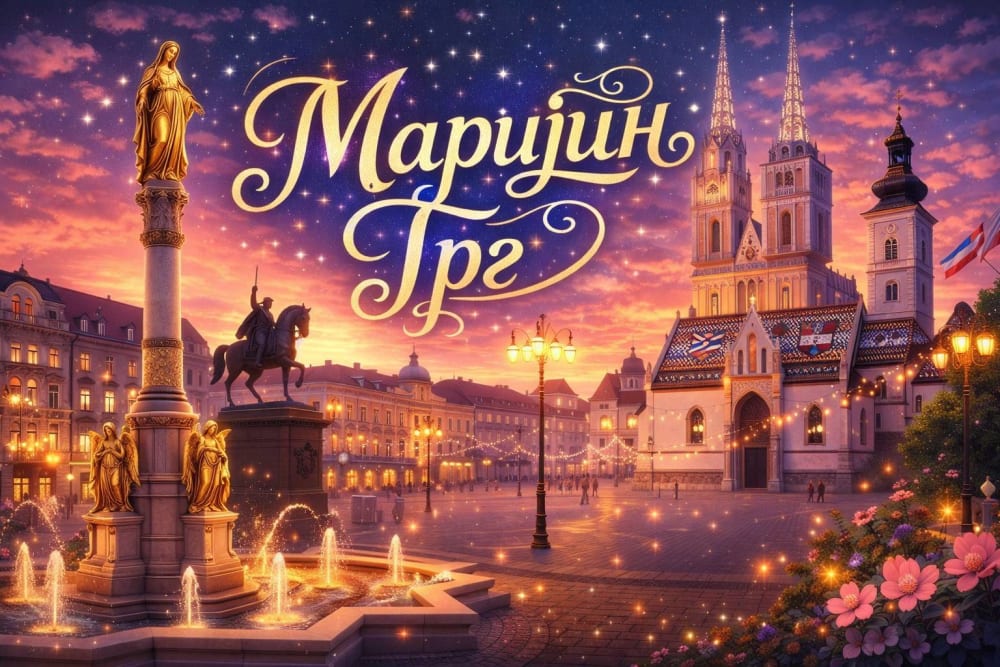
Маријин Трг is one of Belgrade’s most iconic squares, offering a captivating mix of history, culture, and urban life. Located in the heart of Serbia’s capital, the square has been a central hub for social gatherings, cultural events, and everyday interactions for over a century. Its name, translating to “Mary’s Square,” reflects historical and cultural influences, while its surroundings showcase a blend of historic architecture and modern urban development, making it a unique symbol of Belgrade’s evolution.
Beyond its historical importance, Маријин Трг serves as a vibrant social and cultural center for both locals and visitors. The square hosts festivals, street performances, and public events, creating a lively atmosphere that reflects the city’s traditions and contemporary lifestyle. Surrounded by notable landmarks, cafes, and scenic pathways, Маријин Трг provides
Historical Background
The origins of Маријин Трг trace back to the 19th century, during a period of significant urban expansion in Belgrade. Named after Maria, likely a noble or historically influential figure, the square has served multiple roles over the decades. Initially, it functioned as a marketplace and gathering spot for the community. Over time, its significance grew as urban planning in Belgrade emphasized public spaces for social interaction and cultural events. Today, Маријин Трг stands as a testament to the city’s respect for its past while embracing modernity.
Architectural Highlights
One of the defining features of Маријин Трг is its architectural diversity. The square is surrounded by a blend of historic buildings and contemporary structures. Classic facades reflect Belgrade’s 19th-century style, characterized by ornate decorations and elegant designs. These historical elements coexist with modern urban designs that incorporate functionality and contemporary aesthetics. This combination of old and new makes Маријин Трг a unique space that tells the story of the city’s architectural evolution.
Cultural and Social Significance
Маријин Трг is not just a historical site; it is a vibrant hub for cultural and social life in Belgrade. The square regularly hosts public events, local festivals, and street performances, making it a center of activity for both residents and visitors. It is a popular meeting point, where locals gather for casual strolls, social interactions, or simply to enjoy the atmosphere of the city. Its central location and accessibility make it an ideal place for cultural engagement and community life.
Attractions and Nearby Landmarks
Visitors to Маријин Трг can explore a variety of nearby landmarks. The square is conveniently located near notable sites such as Kalemegdan Fortress, the National Theatre, and popular café streets. This proximity allows visitors to combine a trip to the square with a broader exploration of Belgrade’s historical and cultural landmarks. Tourists often use Маријин Трг as a starting point for guided walks around the city, appreciating both the square itself and the surrounding urban landscape.
Modern Development
Recent urban development projects have influenced the evolution of Маријин Трг. Initiatives like the Belgrade Waterfront Project have brought modernization and revitalization to the area, enhancing its role as a central public space. Despite these changes, the square has managed to retain its historical charm and cultural significance. The careful balance between development and preservation ensures that Маријин Трг remains a space that honors its past while accommodating contemporary urban life.
Visiting Маријин Трг
For travelers and locals interested in exploring Маријин Трг, the square offers an engaging experience. Visitors can appreciate the historical architecture, enjoy cultural events, and observe the lively daily life of Belgrade. Photographers, history enthusiasts, and casual tourists alike find Маријин Трг to be a place full of inspiration and discovery. Whether attending a festival or simply taking a leisurely walk, the square provides a meaningful connection to the city’s heritage.
Conclusion
Маријин Трг is more than just a public square; it is a living symbol of Belgrade’s history, culture, and community life. Its rich past, architectural diversity, and central role in social and cultural activities make it an essential destination for anyone exploring the city. By visiting Маријин Трг, individuals can experience the unique blend of tradition and modernity that defines Belgrade today.
For businesses or individuals looking to create high-quality, informative content about historical and cultural landmarks like Маријин Трг, consider hiring Tulu e Biz. Their expertise in content creation ensures accurate, engaging, and SEO-friendly articles that resonate with readers and showcase the essence of important destinations.
FAQSs
1. What is Маријин Трг and why is it important in Belgrade?
Маријин Трг is a historic public square in the heart of Belgrade, Serbia. It is important for its rich history, cultural significance, and central role in social and community events. Visitors can enjoy its architecture, nearby landmarks, and lively atmosphere that reflect the city’s heritage.
2. What are the main attractions near Маријин Трг?
Near Маријин Трг, visitors can explore Kalemegdan Fortress, the National Theatre, and popular café streets. The square serves as a hub for sightseeing and cultural exploration in central Belgrade.
3. What kind of events take place at Маријин Трг?
The square hosts local festivals, public gatherings, and street performances. It is a popular meeting spot for both residents and tourists, providing a vibrant space for social interaction and cultural activities.
4. How has Маријин Трг evolved over time?
Originally a 19th-century marketplace, Маријин Трг has evolved into a central urban space combining historic architecture with modern developments. Recent projects, like the Belgrade Waterfront, have enhanced its accessibility while preserving its historic charm.
5. When is the best time to visit Маријин Трг?
Маријин Трг can be enjoyed year-round. Spring and summer are ideal for outdoor events and street performances, while autumn and winter offer a quieter experience with opportunities to appreciate its architectural and historical significance.
Enjoyed this article? Share it with others!