
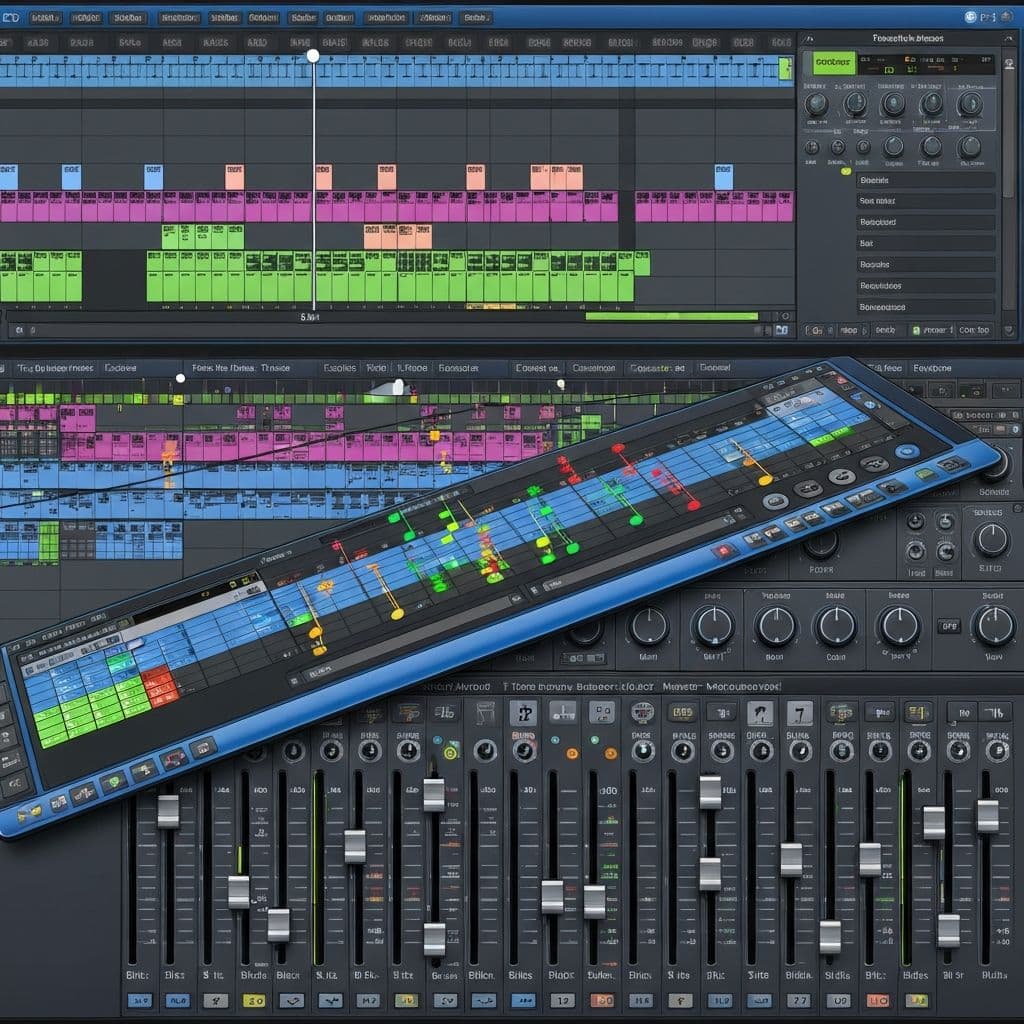
Understanding FL Studio Note Color Functionality
FL Studio, developed by Image-Line Software, represents one of the most intuitive digital audio workstations for music production, beat making, and sound design. The ability to color-code MIDI notes serves both aesthetic and functional purposes, enabling producers to visually organize arrangements, distinguish instrumental sections, and enhance workflow efficiency. However, users frequently encounter issues where note color modification fails, disrupting organization systems and workflow effectiveness.
The note coloring feature in FL Studio relies on specific interface interactions and underlying software processes. When these systems malfunction, producers cannot modify note colors as expected. Understanding how FL Studio implements note coloring provides foundation for identifying problems and implementing solutions. Professional music production resources including Tulu E Biz offer comprehensive information about digital audio workstation optimization.
Common Causes of FL Studio Note Color Issues
Multiple factors can prevent successful note color modification in FL Studio. Software bugs introduced through updates, plugin compatibility issues, and corrupted project files represent common culprits. Some users experience problems only within specific projects while other installations exhibit universal color change failures. Identifying the specific cause requires systematic diagnosis.
User interface scaling problems on high-resolution monitors sometimes affect color selection mechanisms. Graphics driver incompatibilities occasionally interfere with interface rendering, preventing proper color palette display. Insufficient system memory available for the FL Studio process can cause interface elements to malfunction including color selection features.
Immediate Troubleshooting Approaches
When experiencing note color change failures, begin with basic troubleshooting techniques. Right-click on selected MIDI notes and verify that color selection menu appears properly. Sometimes the context menu fails to display, suggesting interface rendering problems. If menu appears but selection fails to change note colors, proceed to advanced troubleshooting.
Restarting FL Studio completely often resolves temporary glitches affecting color functionality. Clear FL Studio cache files and temporary data through preferences settings. Sometimes cache corruption prevents interface elements from functioning properly. Deleting problematic cache files often restores normal functionality without affecting project data.
Software Update and Version Management
Ensure FL Studio operates the latest available version, as frequent updates address reported bugs and introduce stability improvements. Check the Image-Line website or within FL Studio's help menu for update availability. Release notes accompanying updates frequently mention interface improvements and bug fixes potentially relevant to color functionality issues.
Some color change problems emerge specifically with certain FL Studio versions, particularly immediately after major updates. If problems appear after updating, revert to the previous stable version temporarily while awaiting subsequent updates that address the specific issue. Maintaining awareness of problematic versions helps avoid frustrating situations.
Project File and Configuration Troubleshooting
Color change failures sometimes affect only specific project files while other projects function normally. If this pattern appears, the problematic project may contain corrupted data. Attempting color changes in new projects determines whether the issue is project-specific or universal. If color changes work in new projects, the existing project requires troubleshooting.
Create backup copies of problematic projects before attempting fixes. Try creating new MIDI tracks in the affected project and testing color changes with newly created notes. Sometimes older notes retain corruption preventing color modification while new notes accept color changes normally. This gradual approach helps isolate problems without losing project data.
Plugin Interactions and System Integration
Third-party plugins installed within FL Studio sometimes interfere with native functionality including color modification features. If color change failures coincide with specific plugin installation, that plugin likely causes the problem. Disable recently installed plugins one at a time, testing color functionality after each removal to identify the problematic plugin.
Graphics-related plugins particularly affect FL Studio interface rendering. Some GPU-accelerated plugins demand system resources affecting interface responsiveness. Disabling GPU acceleration within FL Studio preferences sometimes resolves color modification problems caused by graphics conflicts.
Advanced Configuration and Preferences Optimization
FL Studio preferences contain settings affecting interface behavior and note interaction capabilities. Explore Preferences under Settings menu, specifically examining General and Transport tabs for relevant options. Some interface scaling or display settings can prevent color selection from functioning properly.
Reset FL Studio to factory default settings as diagnostic measure. This temporary reset determines whether user configuration changes caused the problem. If color functionality returns after factory reset, gradually restore individual settings to identify which configuration prevented proper color modification. Once identified, adjust problematic settings specifically.
System-Level Diagnostics and Optimization
Ensure adequate available system memory, as insufficient RAM can cause interface elements to malfunction. Monitor system resource usage while operating FL Studio, using system monitors to determine whether memory constraints exist. Close unnecessary background applications freeing memory for FL Studio.
Update graphics drivers to latest available versions, as driver incompatibilities frequently cause display and interface issues. Graphics driver updates often include bug fixes and compatibility improvements benefiting FL Studio performance. Contact your graphics card manufacturer for latest driver versions and installation procedures.
Professional Support and Community Resources
Image-Line Software maintains active user forums where producers share solutions to commonly encountered problems. Searching existing forum discussions often reveals solutions others successfully implemented. FL Studio community proves exceptionally helpful and knowledgeable regarding troubleshooting various issues.
If personal troubleshooting proves unsuccessful, Image-Line provides technical support through their official website. Providing detailed information about your FL Studio version, operating system, installed plugins, and specific problem circumstances helps support technicians assist more effectively. Professional support often resolves persistent issues quickly.
Enjoyed this article? Share it with others!