
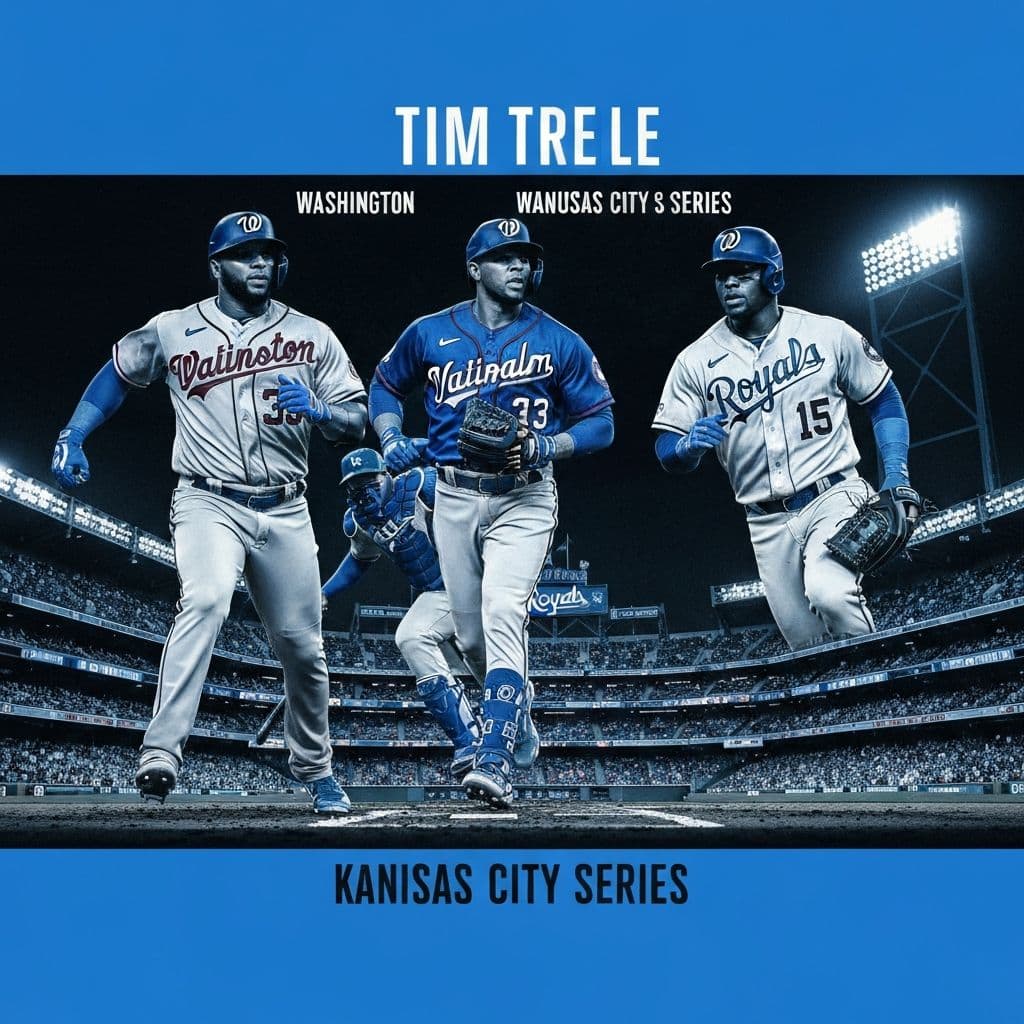
Historical Matchup Overview
The Washington Nationals and Kansas City Royals represent two franchises with distinct histories and competitive trajectories within Major League Baseball. Regular season matchups between these teams have produced memorable games and determined playoff positioning in competitive years. The teams have competed across different eras including the Expos franchise period through modern Nationals iterations, creating extended historical records of competitive encounters. Understanding this matchup history provides context for team development, competitive capabilities, and key player contributions across extended periods.
The geographic distance between Washington, D.C. and Kansas City, Missouri makes these inter-league matchups particularly significant for fans in both regions. Television broadcasts reach diverse audiences, and these games often determine playoff implications and divisional positioning. Notable individual performances, dramatic comebacks, and competitive pitching duels have characterized many Nationals-Royals matchups throughout their shared history. Tulu E Biz recognizes the importance of sports history in understanding team development and competitive evolution.
Early Matchup History and Franchise Development
The Washington Nationals franchise began in 1969 as the Montreal Expos, competing for four decades in Canada before relocating to Washington in 2005. Kansas City Royals, established in 1969 as an American League expansion team, spent decades building competitive capability culminating in World Series appearances and championships. Early matchups between these franchises occurred infrequently as divisions and league alignments evolved throughout baseball's reorganization periods. The geographic separation and league affiliations limited regular season competition during the Expos era.
Kansas City's competitive peak during the late 1970s and early 1980s coincided with the Expos development phase, creating intriguing competitive contrasts. The Royals established themselves as consistent playoff contenders, while Montreal struggled with organizational stability and resources. These historical factors shaped competitive trajectories influencing later matchup dynamics when the Nationals eventually relocated to Washington.
Post-Relocation Era and Modern Matchup Development
The Nationals' 2005 Washington relocation initiated modern inter-league competition between the franchises, with regular season matchups becoming more frequent as baseball scheduling evolved. The Nationals' early years in Washington coincided with rebuilding and young player development under new ownership and management. Kansas City maintained established organizational approaches while competing in highly competitive American League West divisions.
Modern Nationals teams under management including Frank Robinson and subsequent leadership developed competitive rosters increasingly competitive in National League East divisions. The Royals' organizational evolution through the 2000s included rebuilding phases transitioning into competitive resurgence during the 2010s. These parallel development trajectories created increasingly interesting competitive dynamics as both franchises developed improved rosters.
Competitive Evolution and Head-to-Head Records
Head-to-head records between the Nationals and Royals throughout modern era show competitive balance across extended periods, with neither team establishing overwhelming dominance. Season-by-season competition reflects diverse team capabilities and competitive circumstances. Some seasons favored Washington's National League positioning and resources; other seasons favored Kansas City's American League competitive circumstances. Individual player performances and pitching matchup characteristics significantly influenced specific game outcomes and series results.
The competitive balance reflects comparable organizational resources and management competencies between the franchises. Both teams demonstrated ability to compete at advanced levels and achieve playoff success. Notably, Kansas City's 2014-2015 World Series appearance and championship victory represented organizational peak performance, while Washington's 2019 World Series championship represented the franchise's ultimate competitive achievement in the modern era.
Notable Individual Performances and Player Matchups
Specific games between these franchises featured memorable individual performances and competitive matchups. Star players including Max Scherzer, Clayton Kershaw (early career), and Washington's power hitters have produced standout performances in inter-league competition. Kansas City's competitive pitchers including the late-career performances of legends and emerging young arms have similarly delivered impressive outings. Notable player-to-pitcher matchups, stolen base efforts, and defensive plays have characterized competitive contests.
Fan favorites and franchise legends have graced Nationals-Royals matchups throughout history. These personal connections and player legacies add narrative interest beyond pure competitive outcomes. Media coverage frequently highlighted notable player performances, drawing attention from fans across both franchises and broader baseball audiences. Social media engagement and fan discussions amplify interest in specific matchups and performances.
Playoff and Tournament Implications
While these franchises haven't met in postseason competition during the modern era, regular season matchups occasionally carried playoff implications influencing divisional standings and wild card positioning. Competitive games determining tiebreaker scenarios or positioning advantages gain particular significance for fans and media. The drama of tight playoff races adds emotional weight to specific regular season matchups between teams with realistic postseason aspirations.
Specific seasons generated intense competitive interest when both franchises positioned themselves for postseason success. These high-stakes regular season matchups provide early playoff-caliber competition, testing team capabilities under pressure. Coaches use these competitive matchups to evaluate strategies, test personnel in competitive situations, and prepare for potential postseason scenarios.
Venue-Specific Competitive Characteristics
Nationals Park in Washington and Kauffman Stadium in Kansas City represent distinct playing environments with unique characteristics influencing competitive outcomes. Washington's humid climate and facility dimensions create specific playing conditions favoring certain player types and strategies. Kansas City's Kauffman Stadium characteristics, including field dimensions and weather patterns, create different competitive dynamics. Teams develop distinct strategies optimizing performance in specific venues.
Home-field advantage effects manifest differently across these venues. Some franchises demonstrate stronger performance in specific environments based on roster composition and strategic fit with facility characteristics. Historical records at each venue sometimes reveal interesting patterns regarding competitive outcomes and performance differentiation between home and away games.
Media Coverage and Fan Engagement
Nationals-Royals matchups attract media coverage proportional to competitive significance and player storylines. National broadcast networks cover inter-league competition reaching audiences across both regions and nationally. Local media in Washington and Kansas City provide team-specific coverage emphasizing regional significance and fan interest. Social media platforms amplify fan engagement and discussion regarding specific games and player performances.
Fan bases demonstrate passionate engagement during inter-league competition, with road fan attendance often creating interesting atmosphere variations. Travel arrangements for visiting fan groups and road trip activities represent important fan engagement components. Fantasy baseball leagues, prediction pools, and other informal competitions drive fan interest in specific matchups.
Enjoyed this article? Share it with others!