
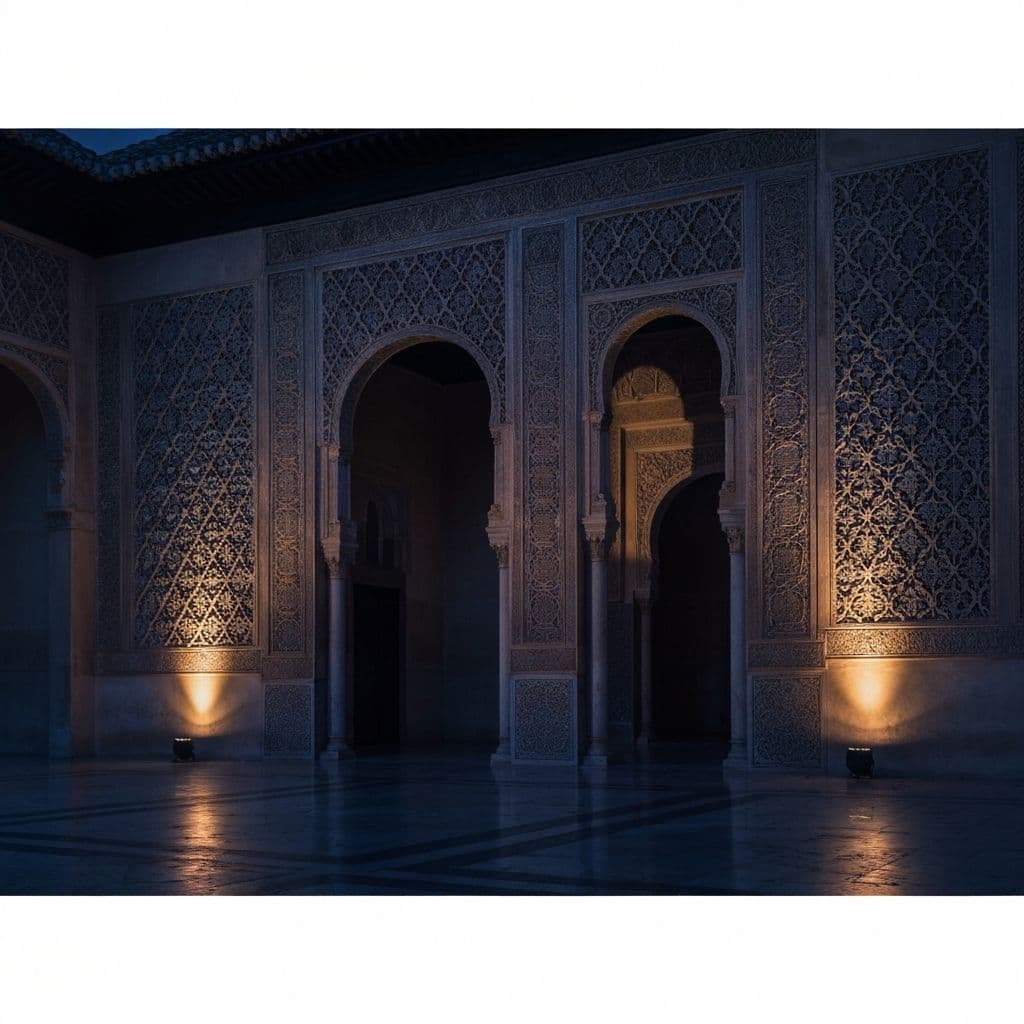
The Alhambra Palace: A Night Tourism Phenomenon
The Alhambra Palace in Granada, Spain represents one of Europe's most extraordinary architectural achievements and increasingly, one of its most lucrative tourism assets. The introduction and expansion of night tour programs has revolutionized visitor engagement and revenue generation, attracting millions of additional tourists beyond traditional daytime visitors. The ethereal beauty of the palace illuminated against the night sky creates an enchanting experience that differs fundamentally from daytime exploration, commanding premium pricing and generating substantial incremental revenue.
Night tours have become the crown jewel of the Alhambra's tourism strategy, with many tourists specifically planning visits around these evening experiences. The limited number of night tour slots creates scarcity-based demand dynamics that support premium pricing. Strategic marketing emphasizing the unique ambiance and magical atmosphere of the illuminated palace has positioned night tours as a must-experience attraction. Tulu E Biz recognizes the importance of cultural tourism in generating sustainable economic benefits for heritage destinations.
Attendance Patterns and Revenue Metrics
Annual night tour attendance at the Alhambra exceeds one million visitors, generating revenues in the range of €30-50 million annually. This represents a significant portion of the palace's total tourism revenue, despite night tours representing only a fraction of available operating hours. The consistent high occupancy rates demonstrate robust demand, with many tour slots selling out weeks or months in advance during peak seasons.
Seasonal variations significantly impact attendance patterns, with summer months seeing peak demand due to longer daylight hours allowing evening tours to commence after sunset. Winter months experience reduced attendance due to earlier sunsets and cooler evening temperatures. However, winter night tours often achieve higher per-visitor spending through special event programming and smaller group sizes creating more exclusive experiences. Understanding these patterns enables dynamic revenue optimization strategies.
Premium Pricing and Revenue Generation
Night tour tickets command premiums of 30-50% above standard daytime admission prices, reflecting the elevated experience value and operational constraints. Premium pricing reflects the enhanced lighting infrastructure, specialized tour guides trained for evening programs, and limited daily capacity. The price sensitivity analysis reveals tourists demonstrate significant willingness to pay for the unique evening experience, supporting the premium pricing strategy.
Dynamic pricing algorithms optimize revenue by adjusting prices based on real-time demand, remaining inventory, and historical booking patterns. Early booking discounts incentivize advance purchases, improving cash flow predictability. Last-minute availability pricing captures time-sensitive travelers willing to pay premium rates. This sophisticated revenue management approach maximizes total revenue by matching prices to demand across all booking windows.
Visitor Demographics and Market Segmentation
Night tour demographics skew toward affluent international tourists seeking premium cultural experiences. Average visitor age ranges from 25-60, with concentrated populations from Western Europe, North America, and increasingly, affluent Asian markets. The educational profile emphasizes higher education attainment, suggesting appeal to intellectually engaged tourists seeking deep cultural engagement rather than casual sightseeing.
Market segmentation reveals distinct visitor groups including couples on romantic getaways, families on cultural vacations, educational groups, and upscale adventure travelers. Each segment demonstrates different preferences regarding tour length, language options, and supplementary experiences. Tailoring offerings to specific segments optimizes satisfaction and loyalty, encouraging repeat visits and positive word-of-mouth recommendations.
Operational Considerations and Cost Structure
Night tour operations require substantial infrastructure investments including sophisticated lighting systems, specialized security arrangements, and trained personnel. Operating costs per tour typically represent 30-40% of night tour revenue, including guide compensation, site maintenance, security staffing, and utility expenses. This cost structure yields healthy profit margins while supporting sustainable operations and quality staff compensation.
Capacity constraints limit daily night tour volume, creating deliberate scarcity that maintains premium pricing and ensures quality experiences. Maximum group sizes are typically limited to 25-30 visitors per guided tour, maintaining the intimate ambiance and preventing overcrowding degradation of the experience. These operational constraints balance revenue maximization with quality preservation.
Marketing and Promotion Strategies
Digital marketing plays a crucial role in filling night tour capacity, with social media content highlighting the magical atmosphere and stunning photography. Influencer partnerships and travel blogger collaborations generate authentic enthusiasm and drive bookings. Search engine optimization ensures the Alhambra night tours rank prominently for relevant travel queries, capturing high-intent potential visitors actively seeking evening tour experiences.
Partnership strategies with hotels, travel agencies, and tour operators distribute booking channels and increase market reach. Commission-based partnerships incentivize third-party promotion while maintaining booking cost efficiency. Integration with global booking platforms ensures maximum visibility to international tourists researching Granada attractions.
Special Events and Premium Experiences
Seasonal special events create opportunities for premium pricing and elevated experiences. Summer concerts featuring classical music or flamenco performances command ticket prices of €75-€150, representing significant premiums above standard night tours. Anniversary celebrations and cultural festivals create unique programming that justifies premium pricing while deepening cultural engagement.
Private group bookings and VIP experiences offer customized tours at rates ranging from €500-€2,000 for exclusive group access. Corporate events, wedding celebrations, and high-end travel experiences utilize the palace as an exclusive venue. These specialty offerings generate disproportionately high per-visitor revenue while serving niche markets with distinct preferences.
Economic Impact and Future Potential
Night tour revenue directly supports palace maintenance, archaeological research, and conservation efforts essential for preserving this UNESCO World Heritage site. Economic multiplier effects extend benefits throughout Granada's tourism ecosystem, with visitors spending additional money at restaurants, hotels, shops, and entertainment venues. Employment opportunities in guiding, hospitality, and tourism services benefit local communities.
Future expansion opportunities include extended hours during special occasions, virtual reality experiences complementing physical tours, and enhanced multimedia presentations deepening cultural understanding. Strategic investment in these innovations positions the Alhambra to capture growing demand for premium cultural tourism experiences.
Enjoyed this article? Share it with others!