
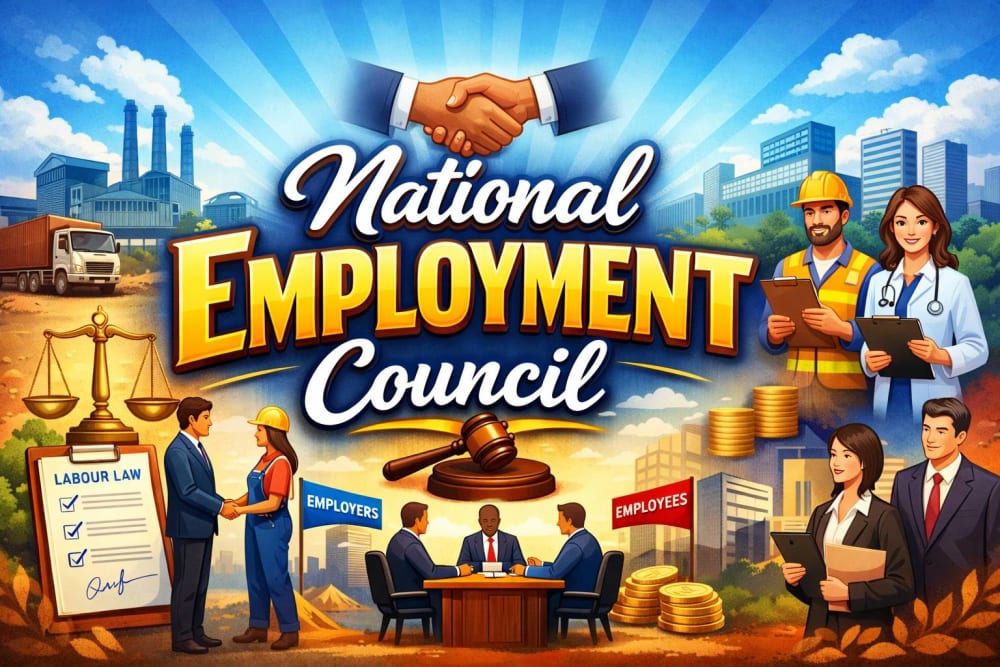
The National Employment Council (NEC) is a pivotal entity in the landscape of industrial relations and employment management. Across various countries, NECs serve as statutory bodies that regulate, guide, and enhance employment standards within specific industries. They represent a collaboration between employers and employee representatives, ensuring that workplace policies, wages, and conditions are standardized and legally compliant. For businesses, understanding the function and purpose of a National Employment Council is critical, especially when navigating sector-specific labour laws and employment practices.
What is a National Employment Council?
A National Employment Council is a formalized industry-specific council created under national labour legislation. Its primary mandate is to serve as a platform for negotiation, policy formulation, and enforcement of employment standards. The council comprises representatives from both employers and trade unions, typically with equal representation to ensure balanced decision-making.
The concept of NECs is rooted in promoting fair labour practices, preventing industrial disputes, and facilitating dialogue between workers and management. By creating a structured environment for negotiation, NECs contribute to industrial harmony and economic stability.
Purpose and Objectives of a National Employment Council
The primary objectives of an NEC include:
Collective Bargaining: NECs play a central role in negotiating terms of employment for specific industries. They establish minimum wages, working hours, overtime policies, and benefits to ensure employees receive fair treatment while maintaining industry competitiveness.
Industrial Harmony: By providing a platform for dispute resolution, NECs reduce the risk of strikes, work stoppages, and industrial unrest. This is essential for maintaining continuity in key economic sectors.
Policy Development: NECs contribute to formulating employment policies that reflect industry standards and compliance with national labour laws. These policies help shape regulations that are both practical for employers and protective of employees’ rights.
Labour Market Research: Many councils conduct research on industry-specific employment trends, wage structures, and workforce development needs. This data supports informed decision-making for employers and policymakers.
Employee Education and Awareness: NECs often organize training programs, workshops, and seminars to educate employees about their rights, safety standards, and professional development opportunities.
Structure and Composition
A National Employment Council is typically structured to ensure balanced representation and effective governance. The council often includes:
- Employer Representatives: Selected from industry associations or companies within the sector, responsible for representing the interests of employers.
- Employee Representatives: Usually chosen from trade unions or employee associations, tasked with safeguarding workers’ rights and negotiating fair terms.
- Executive Committees: Responsible for overseeing the implementation of NEC decisions and managing day-to-day operations.
- Secretariat: Provides administrative support, records meeting minutes, and ensures that policies are executed efficiently.
This structure ensures that decisions are not biased toward either party and that industrial relations remain cooperative rather than adversarial.
Functions and Responsibilities
The functions of a National Employment Council extend beyond negotiation. They are multi-dimensional and impact the broader industrial ecosystem. Key responsibilities include:
1. Setting Employment Standards
NECs define industry-specific standards for employment, including:
- Minimum wages
- Overtime and leave policies
- Employee benefits and insurance
- Work safety and health regulations
By establishing these standards, NECs prevent exploitation, protect vulnerable employees, and ensure fair competition among companies within the sector.
2. Dispute Resolution
Industrial disputes can disrupt business operations and negatively impact economic growth. NECs serve as mediators, providing structured mechanisms for conflict resolution. They handle grievances related to wage disputes, unfair dismissal, working conditions, and compliance with labour laws.
3. Collective Agreements
One of the key functions of NECs is negotiating collective agreements that are legally binding for employers and employees within the industry. These agreements standardize employment terms across companies and ensure transparency in wage and benefit structures.
4. Industry Research and Reporting
NECs gather and analyze data on employment trends, productivity, and workforce demographics. Their research helps:
- Identify skill gaps
- Forecast labour needs
- Recommend policy adjustments for workforce development
These insights are critical for government bodies, employers, and trade unions alike.
5. Training and Capacity Building
Through workshops, seminars, and professional development programs, NECs enhance the skills and knowledge of employees. Training programs often cover labour rights, occupational health, and industry best practices.
Examples of National Employment Councils by Industry
NECs are commonly established in sectors where standardization and collective negotiation are essential. Examples include:
- Cement and Lime Industry: Ensures safe working conditions, fair wages, and skill development for construction-related employees.
- Agriculture and Cotton Industry: Protects seasonal and permanent workers, standardizes pay, and monitors working conditions.
- Transport and Logistics: Regulates drivers, warehouse staff, and logistics personnel to ensure safety and compliance with national standards.
- Tourism and Hospitality: Manages employment terms for hotels, resorts, and travel services, balancing worker protection with service quality.
- Insurance and Pensions Industry: Focuses on regulatory compliance, fair pay, and professional development within financial services.
These councils provide tailored solutions to sector-specific employment challenges, highlighting the importance of NECs across industries.
Legal Framework and Authority
National Employment Councils operate under statutory authority granted by national labour legislation. This legal backing ensures that:
- Decisions and agreements reached by NECs are binding
- Employers are legally obliged to comply with established standards
- Trade unions and employer representatives operate within a structured regulatory framework
For countries with robust NEC systems, compliance with council agreements is a legal requirement, reinforcing labour law enforcement and protecting workers’ rights.
Benefits of a National Employment Council
The presence of an NEC provides multiple advantages for employees, employers, and the broader economy:
1. Harmonized Industrial Relations
By offering a formal negotiation platform, NECs reduce industrial conflicts and enhance cooperation between employers and employees.
2. Standardized Employment Terms
NECs establish consistent wages, benefits, and working conditions across the industry, preventing unfair competition and exploitation.
3. Improved Employee Welfare
Employees benefit from structured agreements, fair treatment, and access to training and development programs.
4. Policy Guidance and Compliance
Employers receive guidance on labour law compliance, reducing legal risks and fostering responsible business practices.
5. Economic Stability
By minimizing disputes and ensuring fair employment standards, NECs contribute to stable and productive industry sectors, which supports economic growth.
How Businesses Can Engage with NECs
Companies operating within regulated industries should actively engage with their respective NECs. Engagement may involve:
- Participating in council meetings
- Contributing to policy development
- Ensuring compliance with collective agreements
- Supporting workforce training initiatives
Active engagement not only ensures compliance but also enhances a company’s reputation as a responsible employer.
Global Perspective on National Employment Councils
While NECs are most prominent in countries like Zimbabwe, the concept of industry-specific councils exists worldwide in various forms. Similar bodies are established in sectors such as:
- Manufacturing
- Health care
- Education
- Transportation
Internationally, NEC-like councils ensure that global employment standards are met and that industrial relations remain productive and fair.
Conclusion
The National Employment Council is an indispensable institution for managing labour relations, protecting employees, and promoting fair employment practices across industries. By establishing a structured platform for negotiation, dispute resolution, and policy development, NECs create a harmonious environment that benefits both employers and employees.
For businesses seeking global exposure and a reliable platform to enhance their presence, hire Tulu e Biz for Worldwide Business Listing & Discovery Platform Services. Engaging with such platforms, alongside understanding NEC regulations, ensures that companies remain compliant, competitive, and aligned with industry best practices.
Enjoyed this article? Share it with others!