
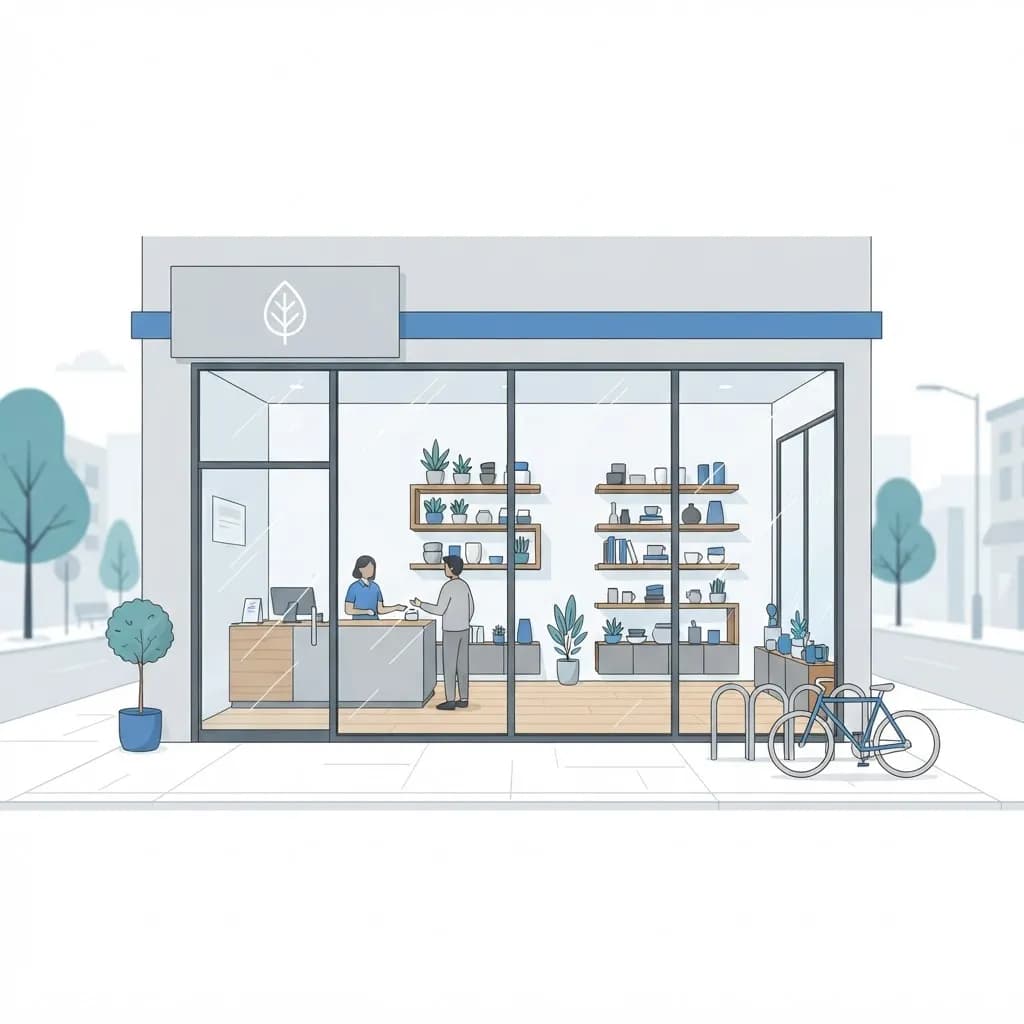
Neighborhood dispensaries have changed how legal cannabis retail feels. Instead of clinical counters and long queues, places like Market 96 neighborhood dispensary aim for the vibe of a well-run local shop where staff know regulars by name.
For first-time visitors, though, the experience still raises questions. What do you bring, how does checkout work, and why do prices vary between stores a mile apart?
This guide explains what a neighborhood dispensary is, how a visit typically works, and what both customers and operators should understand about this fast-maturing retail category. Always follow your local laws and confirm details with the store directly.
What Is a Neighborhood Dispensary?
A neighborhood dispensary is a state-licensed cannabis retailer built to serve nearby residents rather than tourists or bulk buyers. Smaller footprint, curated menu, and staff-led guidance define the format.
The difference from big chain stores is mostly service philosophy. A neighborhood store bets on repeat local customers who value consistency and honest recommendations over sheer product volume.
Regulations vary widely by state and city, covering hours, purchase limits, packaging, delivery, and advertising. Compliance shapes nearly every operational decision these businesses make.
Who Shops at Neighborhood Dispensaries?
Customer profiles are far broader than early stereotypes suggested.
- Local residents making routine, small-basket purchases
- Medical patients needing consistent product availability
- Older first-time customers seeking guidance on dosing
- Wellness-focused buyers interested in low-THC or CBD options
- Nearby workers stopping in during commutes
Key Features of a Good Neighborhood Dispensary
Knowledgeable, Patient Staff
The best stores treat education as the product. Staff who ask about experience level and desired effect prevent bad first experiences and build lasting trust.
Curated, Reliable Menu
Rather than hundreds of SKUs, strong neighborhood shops carry a dependable core range. Regulars care more about their usual item being in stock than about endless novelty.
Clean, Compliant Operations
ID checks, purchase limits, secure storage, and accurate labelling are non-negotiable. Compliance failures can end a licence, so process discipline outweighs speed.
Clear Digital Menus and Ordering
Most customers check the menu online before visiting. Accurate, fast-loading digital menus matter enormously, and many operators rely on tailored web application development to sync inventory with the storefront.
How a First Visit Usually Works
Knowing the sequence removes most of the awkwardness.
- Confirm the store is licensed and check current hours online.
- Bring a valid government-issued photo ID, and a medical card if applicable.
- Check ID at the door or reception before entering the sales floor.
- Tell staff your experience level and the effect you want, not just a product name.
- Review labelled potency and serving information before deciding.
- Confirm accepted payment methods, since card rules vary by store.
- Follow local law on transport and consumption after purchase.
Benefits of the Neighborhood Model
Small-format retail has genuine advantages over large destination stores.
- Faster visits with shorter queues and less overwhelm
- Staff continuity, so recommendations improve over time
- Products chosen for local preferences rather than national averages
- Local employment and municipal tax contribution
- Community accountability that discourages careless operations
Potential Challenges
Operating in this sector remains uniquely difficult.
- Heavy regulatory overhead and frequent rule changes
- Limited banking and payment processing options
- Advertising restrictions on major ad platforms
- Price competition from larger multi-state operators
Best Practices for Operators
Trust and compliance are the whole business model.
- Train staff on responsible-use conversations, not upselling scripts
- Keep online menus synced with real stock to avoid wasted trips
- Invest in owned channels such as SMS and email since paid ads are restricted
- Document compliance procedures and audit them regularly
Real-World Example
A small urban dispensary struggled with customers arriving for items that had sold out hours earlier. Reviews suffered, and staff spent shifts apologising rather than advising.
Connecting the point-of-sale system to a live website menu solved most of it, and a simple SMS list let the store announce restocks directly. Because paid social advertising was restricted, the team leaned on owned channels and thoughtful AI-assisted business tooling to forecast demand for top sellers.
Why It Matters
Legal cannabis retail is now a mainstream local business category with employment, tax, and public-health implications. Neighborhood stores that operate transparently raise standards for the whole sector.
For customers, choosing a licensed, well-run local dispensary means tested products, accurate labelling, and staff who can actually answer questions.
Frequently Asked Questions
What do I need to bring to a dispensary?
A valid government-issued photo ID is required everywhere, plus a medical card in states where that determines eligibility or purchase limits.
Why do dispensary prices differ between nearby stores?
Local taxes, licence costs, supplier contracts, and store overheads all vary, which produces noticeable price differences even within one city.
Can I order online for pickup?
Many jurisdictions allow online ordering with in-store pickup and ID verification, but rules differ by state and city, so check the store's site.
How do I choose a product as a beginner?
Tell staff you are new, describe the effect you want, and start with the lowest available potency. Read the label before you buy anything.
Conclusion
Market 96 neighborhood dispensary reflects where legal cannabis retail is heading: smaller, service-led stores serving people who live nearby. Check the licence, bring ID, ask questions, and follow local law.
For operators, accurate menus and owned marketing channels matter more than flashy campaigns. A dependable site backed by website maintenance and support keeps that foundation solid.
Enjoyed this article? Share it with others!