
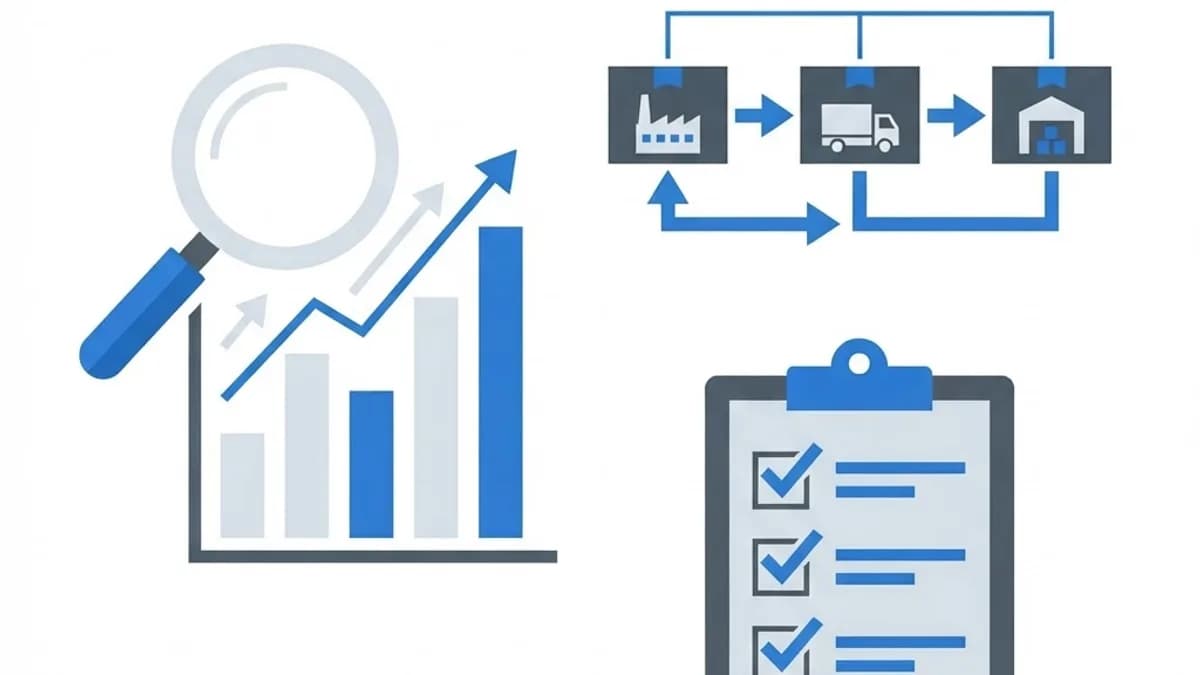
Grey market research is the discipline of finding out where your products are being sold outside your authorized channels, who is doing it, and what it is costing you. For any brand with distributors, regional pricing or exclusive retail partners, it is no longer optional.
The grey market is not counterfeiting. The goods are genuine. The problem is that they reach customers through channels the brand never approved, often at prices that undercut official partners and with no valid warranty attached.
This guide explains what grey market research involves, which teams need it, the methods that actually surface useful data, and how to turn findings into enforcement instead of a report nobody acts on.
What Is Grey Market Research?
Grey market research is a structured monitoring and analysis process that identifies unauthorized distribution of authentic products. It combines marketplace scanning, pricing analysis, serial-number tracing and supply chain auditing to answer one question: how did this unit get here?
The key distinction is legitimacy of origin versus legitimacy of channel. Grey market goods are real products sold through unapproved routes, usually diverted from an authorized distributor, an overseas market with lower pricing, or a bulk buyer who was never meant to resell.
Common triggers include regional price gaps, distributor volume incentives that reward over-ordering, liquidation of excess inventory, and returns that reenter circulation. Research aims to identify which of these mechanisms is actually feeding the leakage in your category.
Who Needs Grey Market Research?
Any business with layered distribution and price differentiation faces exposure, but some sectors feel it acutely.
- Consumer electronics and components brands, where price arbitrage between regions is significant.
- Beauty, skincare and fragrance companies protecting authorized retailer exclusivity.
- Industrial equipment and parts manufacturers whose warranties depend on channel integrity.
- Software and licensing businesses tracking resold or region-locked keys.
- Luxury and premium lifestyle brands defending price positioning and brand perception.
Core Research Methods
Marketplace Monitoring
Systematic scanning of large marketplaces, regional platforms, auction sites and social commerce listings. You capture seller names, prices, stated condition, stock levels, shipping origin and listing history. Automated scraping plus scheduled manual review gives the best coverage, and a custom dashboard built as a purpose-built web application makes the data usable across teams.
Price Variance Analysis
Map observed street prices against your recommended and authorized-partner pricing by region. Persistent clusters selling ten to thirty percent below authorized pricing are a strong diversion signal, especially when the same seller maintains deep stock.
Serial And Batch Tracing
Purchase sample units from suspicious sellers and trace serial numbers, batch codes or lot markings back through your distribution records. This is the most legally defensible evidence you can gather, because it identifies the specific account that shipped the goods.
Supply Chain And Channel Audits
Review distributor ordering patterns for anomalies: order volumes far exceeding local demand, sudden spikes before rebate deadlines, or shipments to freight forwarders. Diversion is usually visible in your own order data before it is visible online.
How To Build A Research Program
Effective programs are continuous, not one-off audits. Structure it as an ongoing operational loop.
- Define scope: which SKUs, which regions, which platforms, and what price floor counts as a violation.
- Establish a baseline by capturing all current listings and sellers over a two to four week window.
- Classify sellers into authorized, unauthorized-identified and unknown categories.
- Test-buy from priority unknown sellers and document packaging, invoices and serial numbers.
- Trace units back to the originating distributor or account using internal records.
- Quantify impact: lost margin, warranty claim costs, authorized-partner complaints and price erosion.
- Enforce through contract remedies, marketplace takedowns, account termination and legal notice where warranted.
- Re-scan monthly and track whether specific sellers reappear under new names.
Benefits Of Doing This Properly
Brands that invest in research rather than reacting to complaints see measurable returns.
- Protected margins, because price erosion is caught before it resets customer expectations.
- Stronger authorized partner relationships, since retailers stop losing sales to undercutters.
- Lower warranty and support costs from units sold without valid coverage.
- Cleaner data on genuine regional demand, once diverted volume is separated out.
- Better legal position, because documented evidence supports contract enforcement.
Potential Challenges
This work is genuinely difficult, and pretending otherwise leads to abandoned programs.
- Grey market activity is often legal, so remedies are contractual and trademark-based rather than criminal.
- Sellers hide behind shell accounts, dropshippers and rotating storefront names.
- Marketplace platforms vary widely in how quickly they respond to brand complaints.
- Aggressive enforcement can strain distributor relationships if evidence is weak or wrongly attributed.
Best Practices
A few principles keep programs effective and defensible.
- Build enforcement rights into distributor contracts first. Research without contractual teeth produces reports, not results.
- Use unique identifiers or region-specific packaging codes so tracing is fast rather than speculative.
- Prioritize by revenue impact, not by how annoying a seller is. Chase the top ten percent of leakage.
- Keep a clean evidence trail: screenshots with dates, purchase invoices, and photographs of received goods.
Real-World Example
A mid-sized audio equipment brand noticed its flagship headphones consistently listed thirty percent below authorized pricing on two marketplaces. Authorized retailers began demanding price protection, and support tickets from customers with no valid warranty rose sharply.
Research took eight weeks. Test purchases from six sellers produced units whose serial ranges all traced back to a single overseas distributor that had been ordering roughly four times its historical volume ahead of quarterly rebate deadlines. The brand restructured its rebate program to reward sell-through rather than sell-in, terminated the distributor agreement, and filed marketplace complaints supported by the serial evidence.
Within one quarter, below-floor listings dropped substantially and authorized partner sales recovered. The decisive factor was not detection, which was easy, but traceability — and that came from disciplined data infrastructure and a reliable back-end system that connected order records to serial ranges.
Why It Matters
Unauthorized selling does more than shave margin. It teaches customers that your list price is fiction, damages trust when warranty claims are denied, and pushes authorized partners toward competitors who defend their channel.
Grey market research restores control over the one variable brands can genuinely influence: where and how their products reach customers. Combined with clear, well-communicated authorized-dealer messaging — something a capable infographic and visual design team can make instantly understandable to shoppers — it protects both pricing and reputation.
Frequently Asked Questions
Is the grey market illegal?
Usually not in itself, because the goods are genuine. The illegality, where it exists, comes from breach of distribution contracts, trademark misuse, false warranty claims, customs violations or tampering with product identifiers.
How is grey market different from counterfeit?
Counterfeit products are fake. Grey market products are authentic items sold outside authorized channels. Counterfeiting is a clear legal violation, while grey market activity is primarily a channel-control and contract issue.
How long does grey market research take?
An initial baseline scan takes two to four weeks. Tracing units to a specific source, including test purchases and internal record matching, commonly takes another four to eight weeks. Ongoing monitoring should be permanent.
Can small brands do this without a big budget?
Yes. Start with manual weekly scans of your top five SKUs on the two largest marketplaces in your main region, log every unauthorized seller in a spreadsheet, and test-buy one unit per quarter. That alone reveals most leakage patterns.
Conclusion
Grey market research turns a vague sense that "someone is undercutting us" into named sellers, traced sources and quantified losses. Define scope, baseline your listings, trace serials, then enforce through contracts and marketplace channels.
If you need monitoring dashboards, automated scanning or reporting tools built around your SKU data, our MERN stack development team can build the platform to support it.
Enjoyed this article? Share it with others!