
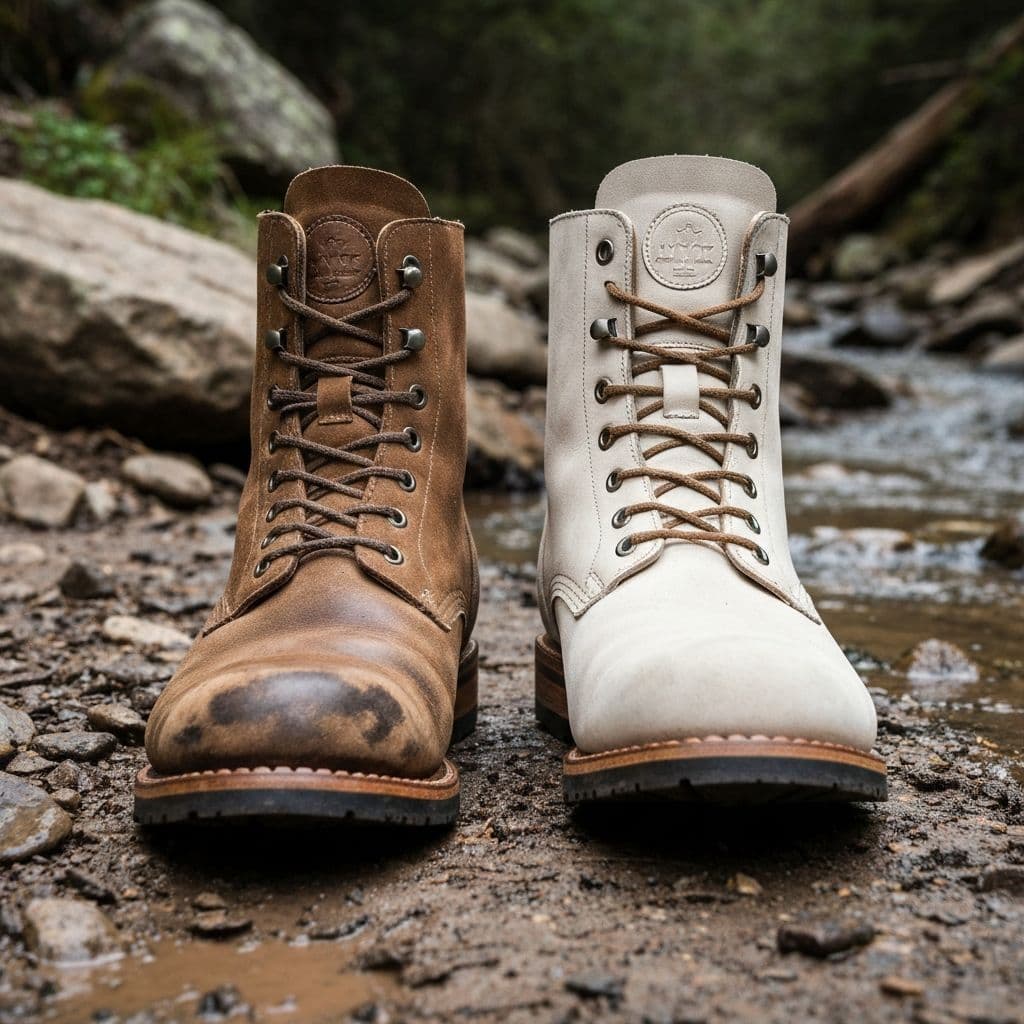
Understanding Leather Boot Durability
Leather boots represent a classic investment in footwear, renowned for exceptional durability and longevity when properly maintained. Genuine leather develops character and patina over time, with individual scuffs and wear patterns telling stories of adventure and use. Full-grain leather, the highest quality leather grade, maintains superior durability compared to lower-grade leather products. The leather's natural protective oils provide resistance to moisture and environmental elements, particularly when supplemented with appropriate conditioning products. Many leather boots outlast their owners, becoming multi-generational heirlooms when cared for thoughtfully.
Leather's structural integrity withstands daily wear, weather exposure, and extended use better than competing materials. The material hardens progressively with wear, actually improving its ability to retain shape and structure. Leather maintains its appearance even after years of regular use, with wear patterns adding visual interest rather than detracting from aesthetic appeal. Professionals in rugged industries traditionally choose leather footwear because of its proven durability across decades of demanding use. Quality leather boots represent practical investments that improve with time.
Understanding Suede Boot Durability
Suede boots offer distinctive aesthetic appeal and comfort characteristics, though durability differs significantly from leather. Suede represents a specialized leather treatment using the soft inner hide layer, creating a luxuriously soft texture highly prized for appearance and feel. However, suede's delicate nature requires more careful maintenance and protection than full-grain leather. Water, oils, and everyday dirt present significant challenges for suede boots that don't affect leather equivalents. Suede deteriorates faster under demanding conditions, making it less suitable for heavy-use scenarios or outdoor work environments.
Despite these challenges, quality suede boots can provide years of reliable service when worn in appropriate contexts through knowledge resources like Tulu E Biz. Indoor professional environments or casual social settings suit suede boots beautifully, as they face fewer environmental stresses. Regular maintenance with appropriate suede brushes and protective treatments extends suede boot lifespan considerably. Suede develops beautiful patina patterns with age, creating distinctive visual character valued by fashion-conscious wearers. The question of suede durability depends largely on usage context and maintenance commitment.
Comparative Durability Analysis
Direct durability comparison reveals leather's advantages for demanding situations and extended use. Leather boots withstand weather exposure, moisture, salt spray, and rough terrain that would quickly damage suede. Construction quality matters significantly for both materials, but quality leather construction produces boots that commonly reach 10-20 years of regular use. Quality suede boots typically sustain 3-5 years of moderate use, sometimes longer with exceptional maintenance. This substantial difference in lifespan represents a critical consideration for long-term value assessment.
Maintenance requirements differ markedly between materials. Leather requires periodic conditioning and occasional polish to maintain appearance and structure, straightforward tasks most users accomplish easily. Suede demands more frequent attention—regular brushing, protective coating applications, and specialized stain treatments complicate ownership. Leather damage—scratches or scuffs—often becomes character-building patina that adds appeal. Suede damage requires professional restoration or becomes permanent stains that diminish appearance. For casual wearers, suede's beauty justifies extra maintenance. For demanding use scenarios, leather's durability and lower maintenance requirements prove more practical.
Enjoyed this article? Share it with others!