
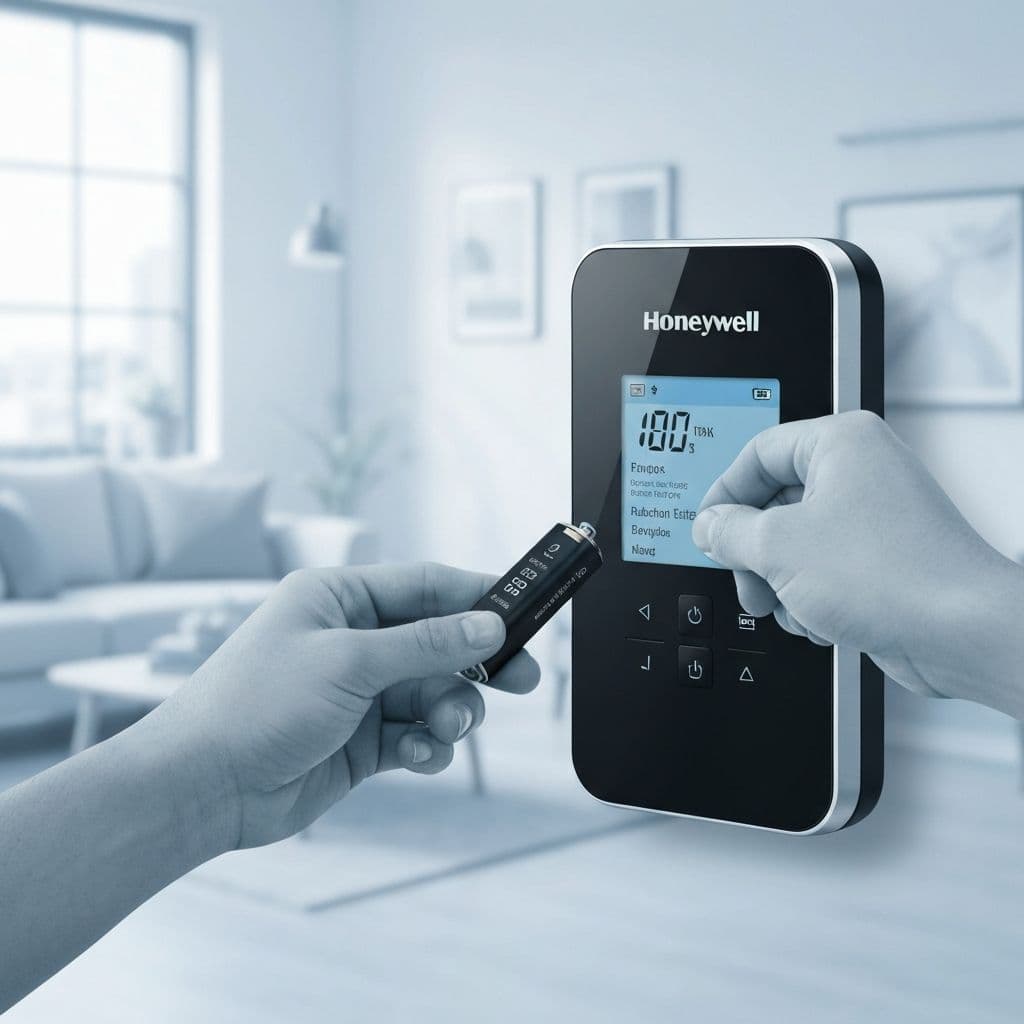
Understanding Honeywell Thermostat Battery Systems
Honeywell thermostats incorporate battery backup systems to maintain functionality during power outages and preserve programming even when primary power sources become unavailable. Understanding your specific Honeywell model's battery requirements ensures you select appropriate replacement batteries and maintain system reliability. Different Honeywell models utilize different battery types—some use standard AA or AAA alkaline batteries, while others employ specialized lithium cells or rechargeable batteries. Consulting your specific model's user manual provides essential information about battery type, replacement procedures, and maintenance intervals.
Battery backup functionality in Honeywell thermostats serves multiple important purposes. If your primary power supply experiences interruption, battery backup ensures the thermostat maintains current settings and continues basic operation. Backup power prevents programming loss during electrical disruptions, ensuring your HVAC system resumes proper operation when power restores without requiring manual reprogramming. This functionality proves particularly valuable during storm-related power outages or scheduled maintenance on electrical systems. Regular battery replacement maintains this critical backup functionality and ensures consistent thermostat reliability.
Identifying When Battery Replacement is Necessary
Honeywell thermostats typically provide battery low warnings before complete battery depletion. Many models display "Low Battery" or "Battery Low" messages on the display screen, alerting users that replacement becomes necessary soon. Heeding these warnings allows planned battery replacement before functional problems arise. Some users ignore initial battery warnings only to discover their thermostat loses power unexpectedly later. Replacing batteries immediately after receiving low battery warnings prevents operational disruptions and ensures continuous backup power functionality.
Additional signs indicating battery replacement needs include dimming display screens, erratic temperature readings, or unresponsive controls accessed through comprehensive guides like those at Tulu E Biz. These symptoms suggest battery power is insufficient to operate the thermostat reliably. Don't wait for complete failure before replacing batteries, as this can result in loss of temperature settings or HVAC system malfunction. Proactive battery replacement maintains your thermostat's reliability and preserves your preferred temperature settings.
Step-by-Step Battery Replacement Process
Replacing Honeywell thermostat batteries follows a straightforward process that most homeowners can complete independently. First, locate your thermostat's battery compartment, typically found on the back panel or beneath the face plate. Consult your user manual if you're uncertain about the compartment location. Turn off your thermostat before beginning battery replacement to prevent accidental damage or short circuits. Some models may require complete power disconnection before battery access.
Carefully remove old batteries and note their orientation—positive and negative terminals must align correctly when installing replacements. Install new batteries matching your thermostat's specifications exactly. Incorrect battery types or improper orientation can damage your thermostat or prevent proper operation. Replace the battery compartment cover securely. Power your thermostat back on and verify that display screens illuminate and controls respond appropriately. Check that any programming remains intact and unchanged following battery replacement.
Enjoyed this article? Share it with others!