
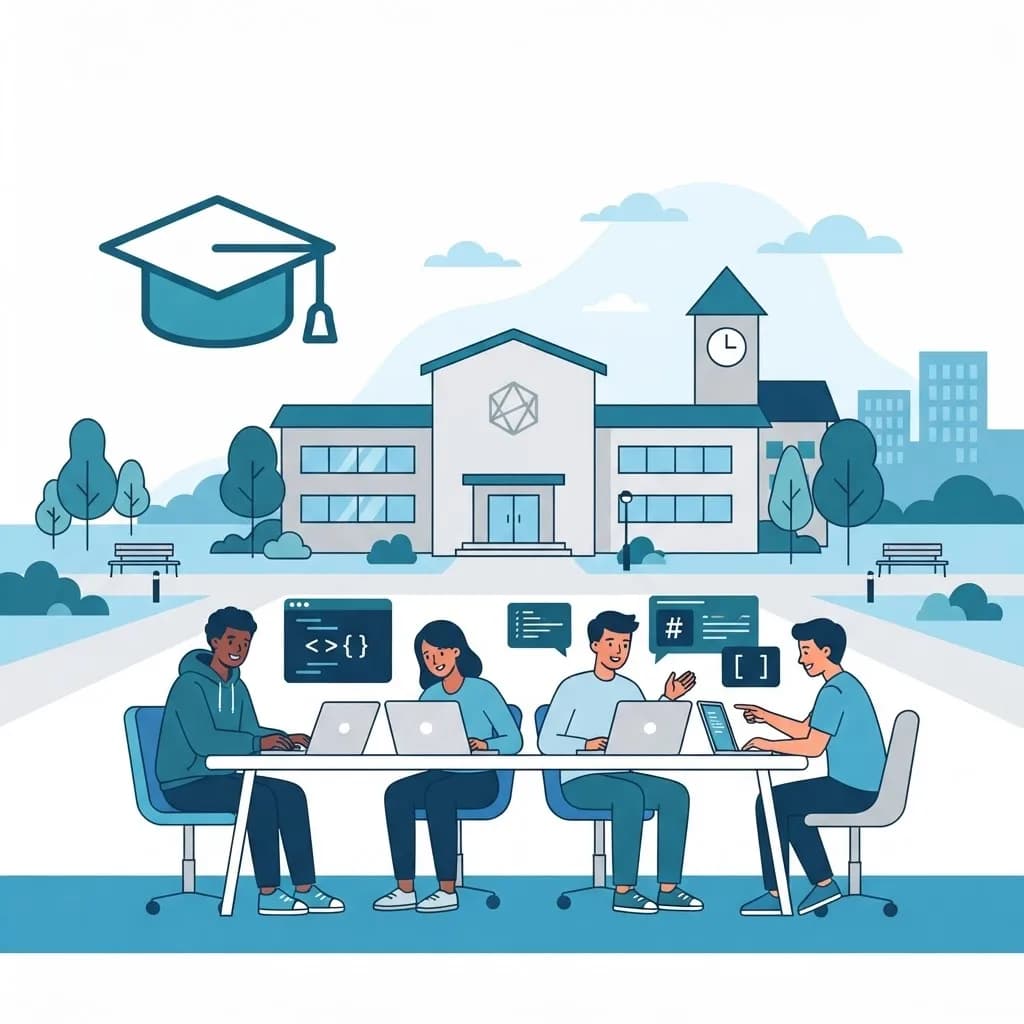
Computer science education in public high schools has changed dramatically over the last decade. The Bronx Academy for Software Engineering in Bronx NY, often shortened to BASE, is one of the schools built specifically around that shift rather than adding coding as an afterthought.
Instead of treating technology as an elective, the school organises learning around software development, giving students years of practice with programming, collaboration, and project work before graduation.
This guide explains the model, who it serves best, how admission generally works in the New York City system, what outcomes look like, and how families can prepare a student to succeed there.
What Is the Bronx Academy for Software Engineering?
It is a New York City public high school in the Bronx with a computer science and software development focus. Students take a standard academic program while also progressing through sequenced coursework in programming and technology.
The core idea is that sustained, multi-year exposure to real software development produces far better outcomes than a single introductory coding class. Students build, debug, and present projects repeatedly rather than studying theory in isolation.
Schools of this type usually maintain partnerships with technology organisations and higher education institutions, creating mentorship, internship, and college pathway opportunities that a general-track school rarely offers.
Who Is This School For?
A specialised CS school is an excellent fit for some students and a poor one for others. Interest matters more than prior ability.
- Middle school students genuinely curious about how software and games are made.
- Learners who thrive on project-based work rather than lecture-heavy classes.
- Families in the Bronx and wider New York City seeking a career-connected pathway.
- Students aiming at computer science or engineering degrees after graduation.
- Young people who want technical skills that lead directly to internships and jobs.
Key Features of the Program
Sequenced Computer Science Curriculum
Rather than one class, students progress through multiple years of programming, starting with fundamentals and moving toward web development, databases, and collaborative software projects.
Project-Based Learning
Students build applications and present them, which develops the habits professional teams rely on: version control, code review, iteration, and explaining technical decisions clearly to an audience.
Industry and College Partnerships
Mentorship, guest instruction, and internship pipelines expose students to practising engineers. Many projects mirror real work such as professional web development or mobile app building.
Support for Diverse Learners
Public specialised schools serve a wide range of academic starting points. Effective ones pair technical instruction with reading, math, and language support so that no student is locked out of the CS track.
How to Apply and Get Started
Admission runs through the New York City high school application process, which changes periodically. Always confirm current requirements with the NYC Public Schools admissions office.
- Attend an open house or virtual information session during the fall admissions season.
- Review the school's current admissions method and any priority criteria on the official NYC directory.
- Rank the school on the student's high school application in genuine order of preference.
- Gather required academic records, attendance history, and any supporting materials.
- Encourage the student to try free coding tutorials beforehand to confirm real interest.
- Prepare questions about class sizes, project expectations, and support services.
- Follow the published timeline closely; late applications limit placement options.
Benefits of a Software Engineering High School
The advantages extend well beyond learning a programming language.
- Years of technical practice before college applications are submitted.
- A portfolio of real projects to show universities and employers.
- Early exposure to teamwork, deadlines, and professional communication.
- Access to internships and mentorship through school partnerships.
- A peer group that treats building software as normal and interesting.
Potential Challenges
No school suits every student, and it is worth being realistic about the difficulties.
- Students who lose interest in coding may feel constrained by the specialism.
- Commuting across the borough can be demanding for younger students.
- Resource and staffing pressures affect public schools generally.
- Project-based work requires strong time management, which many teenagers are still developing.
Best Practices for Families
A little preparation before ninth grade makes a substantial difference to how confidently a student starts.
- Try free platforms such as Scratch, Code.org, or freeCodeCamp before applying.
- Visit in person if possible and speak to current students, not only staff.
- Support project work at home with a reliable computer and quiet study space.
- Encourage participation in hackathons, clubs, and summer technology programs.
Real-World Example
Consider a student who enters ninth grade having only used computers for schoolwork and games. In her first year she learns programming basics and builds a simple quiz application. By eleventh grade she is working in a team of four on a web app that tracks community food pantry stock.
That project becomes the centrepiece of her college application essay. It also earns her a summer internship where she practises real version control and code review, and she arrives at university already comfortable with tools most first-year students have never seen.
Why It Matters
Access to computer science education remains uneven across the United States, and the gap tends to fall along economic lines. Schools like the Bronx Academy for Software Engineering exist to narrow that gap in a borough historically underserved by technology opportunity.
When students from the Bronx graduate with real technical portfolios, the effect reaches beyond individual careers. It widens the pipeline of engineers who understand the communities that technology often overlooks.
Frequently Asked Questions
Where is the Bronx Academy for Software Engineering located?
It operates in the Bronx as part of the New York City public school system. Confirm the current address and campus details through the official NYC Public Schools directory.
Is prior coding experience required to apply?
Generally no. These programs are designed to teach programming from the beginning, though demonstrated interest strengthens an application.
What happens after graduation?
Graduates typically pursue computer science or related degrees, technical certificate programs, or entry-level technology roles, often supported by internships completed during school.
How competitive is admission?
Competitiveness varies by year and admissions method. Applying early and ranking the school honestly on the application is the most practical advice.
Conclusion
The Bronx Academy for Software Engineering in Bronx NY offers a rare thing: years of genuine software development practice inside a public high school. For a student with real curiosity about building things, that head start is significant.
Schools and education programs looking to showcase student work professionally can benefit from thoughtful website design services that make those projects visible to families and partners.
Enjoyed this article? Share it with others!