
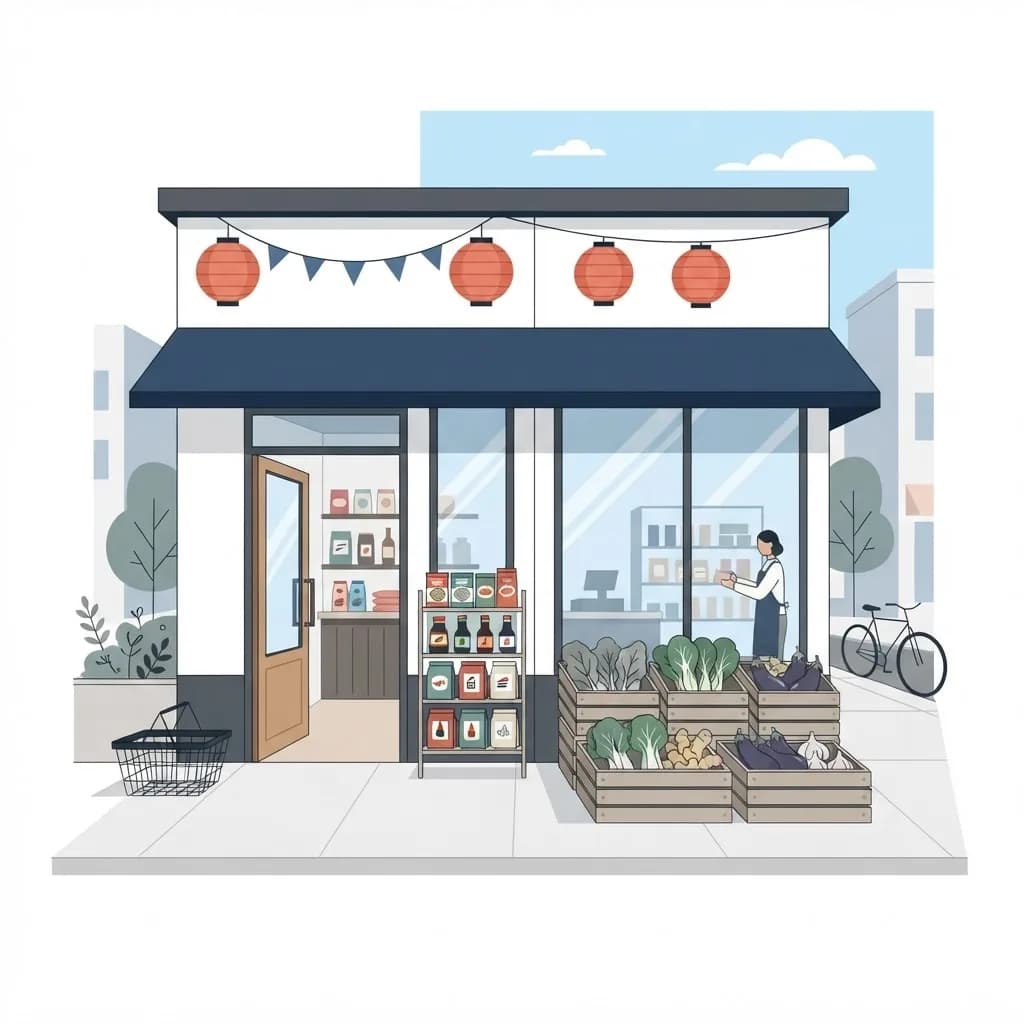
Walking into an Eugene Asian market for the first time can feel like traveling without leaving Lane County. Aisles hold ingredients you will not find in a conventional supermarket: fresh rice noodles, a dozen soy sauce varieties, frozen dumplings, live seafood, and produce like gai lan and daikon at prices that surprise newcomers.
Eugene, Oregon has a small but steady community of Asian grocers serving students, families, restaurant owners, and home cooks. These stores are cultural anchors as much as retailers.
This guide explains what these markets offer, how to shop them efficiently, and why they matter to the local food scene — whether you are chasing a specific recipe or just curious.
What Is an Asian Market?
An Asian market is a grocery store specializing in ingredients from East, Southeast, and South Asian cuisines. Some focus on a single region, such as Japanese or Korean products, while others carry a broad pan-Asian selection alongside Latin American and Middle Eastern goods.
The layout differs from mainstream chains. Expect deep freezer sections, large bulk rice displays, extensive sauce and noodle aisles, and a fresh produce area featuring greens, herbs, and roots uncommon elsewhere.
The real appeal is ingredient authenticity at fair prices. A bottle of fish sauce or a bag of jasmine rice typically costs far less here than the specialty shelf at a conventional grocery store, and the selection is dramatically better.
Who Shops at These Markets?
Customers are more varied than many people assume, which is part of what keeps these stores thriving.
- Families cooking traditional dishes who need specific regional brands.
- University of Oregon students seeking affordable instant noodles, rice, and produce.
- Restaurant owners and chefs sourcing bulk ingredients locally.
- Home cooks following recipes that call for hard-to-find pantry items.
- Bakers and hobbyists hunting mochiko flour, pandan, or specialty teas.
What You Will Find Inside
Fresh Produce You Cannot Get Elsewhere
Bok choy, Chinese broccoli, Thai basil, lemongrass, Korean radish, taro, and fresh turmeric appear regularly. Produce turnover is high, so quality is often excellent, but selection varies week to week depending on shipments.
Pantry Depth That Rewards Exploration
Instead of one soy sauce, you may find light, dark, mushroom-flavored, and sweet varieties. The same applies to vinegars, chili pastes, curry pastes, and dried noodles. Reading labels carefully matters because names look similar but flavors differ substantially.
Frozen and Refrigerated Sections
Dumplings, bao, roti, fish balls, and frozen seafood are staples. Refrigerated cases hold tofu in multiple firmnesses, kimchi, fresh noodles, and prepared banchan. These sections deliver the fastest weeknight meals in the store.
Housewares and Small Kitchen Tools
Many markets stock woks, bamboo steamers, clay pots, rice paddles, and ceramic bowls at prices well below kitchen boutiques. It is an easy way to build a functional Asian cooking setup inexpensively.
How to Shop an Asian Market Effectively
A little preparation turns an overwhelming visit into an efficient one.
- Pick one recipe before you go and write down the exact ingredients you need.
- Walk the entire store once without a cart to understand the layout.
- Start with produce and fresh items, then move to frozen last so nothing thaws.
- Ask staff for help — employees usually know which brand is preferred for a given dish.
- Check unit prices on rice and sauces; larger sizes are often dramatically cheaper.
- Bring cash as a backup, since some smaller grocers have card minimums.
- Note what you bought and liked so future visits get faster.
Benefits of Shopping Local Asian Grocers
Beyond ingredients, these stores deliver practical everyday value.
- Significantly lower prices on rice, noodles, sauces, and tofu than mainstream chains.
- Access to authentic brands that make recipes taste the way they should.
- Fresher specialty produce due to faster turnover in those categories.
- Support for small, often family-run local businesses in Eugene.
- Exposure to new ingredients that expand your everyday cooking range.
Potential Challenges
First-time shoppers sometimes hit friction. Knowing what to expect helps.
- Packaging may have limited English, requiring label research or staff questions.
- Inventory fluctuates, so a favorite item can be unavailable for weeks.
- Smaller stores have narrow aisles and limited parking during peak hours.
- Online presence is often minimal, making hours and stock hard to confirm remotely.
Best Practices and Tips
Regulars develop habits that make every trip productive.
- Shop weekday mornings for the calmest experience and freshest produce restock.
- Photograph labels of products you like so you can rebuy the exact brand.
- Buy shelf-stable staples in bulk and perishables in small amounts.
- Leave a review and share photos — small grocers benefit enormously from social media management and community visibility.
Real-World Example
Imagine a Eugene home cook wanting to make pho from scratch. A conventional supermarket might offer a single instant broth packet and no fresh herbs. At a local Asian market, the same shopper finds beef bones, star anise, rock sugar, fresh rice noodles, Thai basil, culantro, bean sprouts, and lime in one trip.
The total cost typically comes in below what two bowls at a restaurant would run, and the leftovers feed the household for days. That combination of savings and authenticity is exactly why these stores build such loyal customer bases.
Why It Matters
Local Asian markets do quiet, essential work. They supply the restaurants that define a city's food reputation, serve immigrant communities with familiar products, and introduce curious cooks to new traditions.
For Eugene specifically, with its university population and strong local food culture, these grocers help keep the city's dining scene diverse and affordable. Supporting them keeps that variety alive.
Frequently Asked Questions
What should a first-time shopper buy at an Asian market?
Start with versatile staples: jasmine or short-grain rice, soy sauce, sesame oil, rice vinegar, fresh garlic and ginger, tofu, and frozen dumplings. Those items cover dozens of simple recipes immediately.
Are Asian markets cheaper than regular grocery stores?
For rice, noodles, sauces, tofu, and many vegetables, yes — often substantially. Prices on Western packaged goods, dairy, and some meats may be comparable or higher, so shop selectively.
Do Asian markets in Eugene sell fresh seafood?
Larger markets typically carry fresh and frozen fish, shrimp, and shellfish, sometimes including whole fish cleaned on request. Availability depends on delivery schedules, so call ahead for specific items.
How do I know which brand to choose?
Ask staff or other shoppers, since preferences are well established within each cuisine. When in doubt, choose the brand with the most shelf space — high turnover usually signals community trust.
Conclusion
Visiting an Eugene Asian market is one of the easiest ways to eat better for less while learning something new about food. Go with a recipe, ask questions, and let curiosity guide the rest of your cart.
If you run a local grocery or specialty food business and want customers to find your hours, inventory, and story online, consider a professional WordPress development setup to build a simple, searchable web presence.
Enjoyed this article? Share it with others!