Search for Ziimp.com markets and you will find a mix of curiosity and confusion. Some people describe it as an online marketplace hub, others as a business and trend news portal. That gap in information is exactly why a clear, honest guide is useful before you spend money or list a product anywhere.
This guide breaks down what a platform like Ziimp.com markets typically offers, who benefits from it, and how to evaluate any new marketplace using the same checklist professional sellers use.
Instead of hype, you will get practical steps: how listings work, what fees to expect, how to verify legitimacy, and how to protect your money. Treat this as a framework you can reuse for any market site you discover.
What Are Ziimp.com Markets?
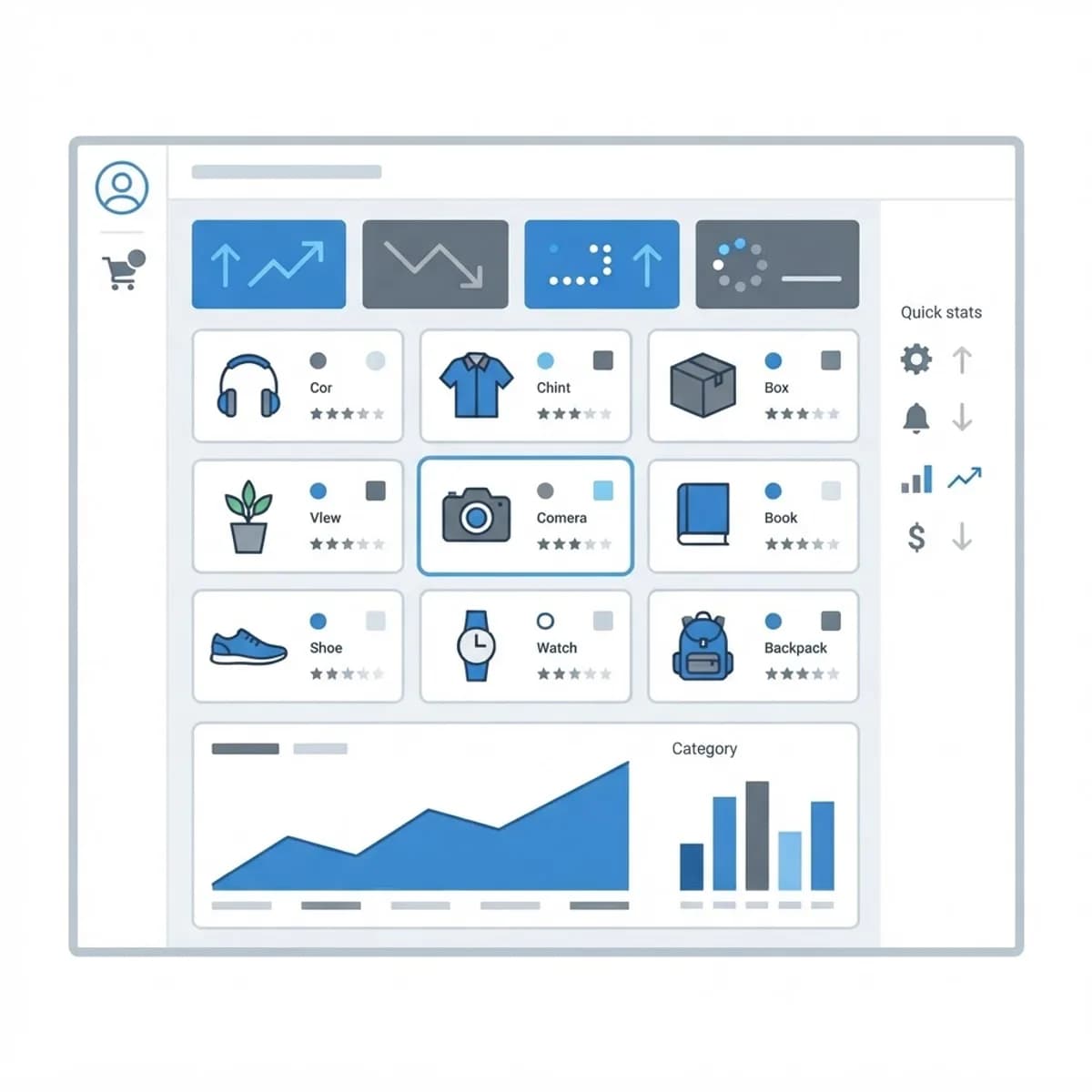
Ziimp.com markets refers to the marketplace and market-information side of the Ziimp.com domain. In practice, sites in this category do one of three things: connect buyers with sellers, aggregate price and trend data, or publish commentary about consumer and business markets.
The key thing to understand is that a market platform is only as strong as its trust layer. Payment protection, verified sellers, dispute resolution, and transparent policies matter far more than a slick homepage.
If you cannot quickly find who operates the site, where it is registered, and how disputes are handled, treat it as an unverified market and limit your exposure accordingly.
Who Uses Platforms Like This?
Online market platforms attract a wide mix of users, from side-hustle sellers to procurement teams hunting for suppliers. Understanding which group you belong to helps you decide how much time to invest.
- Small sellers testing products without building a full store
- Dropshippers and resellers looking for low-friction listing channels
- Bargain hunters comparing prices across niche marketplaces
- Researchers and marketers tracking category demand and pricing trends
- Startups validating whether a product idea has real buyers
Key Features to Look For
Listing and Catalog Tools
Good marketplaces let you upload clean product data: titles, variants, images, pricing, and inventory counts. Bulk upload and CSV import save hours once you pass twenty products. Strong product imagery is often the difference between a click and a scroll, which is why many sellers invest in professional graphic design support for product visuals before launching.
Search, Filters, and Discovery
If shoppers cannot filter by price, category, or condition, conversion drops fast. Test the search yourself with three realistic queries. If results feel random, buyers will feel that too.
Payments and Buyer Protection
Look for escrow-style holds, refund windows, and named payment processors. A marketplace that only accepts direct bank transfer or crypto with no recourse is a serious warning sign.
Seller Reputation Systems
Reviews, order counts, and response times give you evidence. A platform with no visible seller history forces you to trade blind, which is rarely worth the discount.
How to Get Started Safely
Whether you are buying or selling, the first transaction should be small and deliberate. Use this sequence.
- Verify the site: check domain age, contact details, terms of service, and a real refund policy.
- Search for independent reviews outside the platform, including forums and social threads.
- Create an account with a dedicated email, not your primary business inbox.
- Run a small test transaction using a payment method with chargeback rights.
- Document everything: screenshots of the listing, order confirmation, and messages.
- Only scale volume after one clean, fully completed cycle including delivery or payout.
Benefits of Using Niche Market Platforms
Smaller markets are not automatically worse than giants. They often reward early sellers with attention that would be impossible on a saturated platform.
- Lower competition, so new listings get seen instead of buried
- Often cheaper commission rates than dominant marketplaces
- Faster access to niche buyers with specific intent
- Useful pricing and demand signals for product research
- A low-cost testing ground before investing in your own storefront
Potential Challenges
The trade-off for lower competition is usually lower certainty. Go in with clear eyes.
- Limited traffic means slow sales cycles, especially in month one
- Thin or missing dispute resolution when an order goes wrong
- Unclear ownership and vague company information
- Payout delays or high withdrawal minimums
Best Practices and Tips
Sellers who succeed on emerging markets treat the platform as one channel, never the whole business.
- Own your customer relationship: collect emails and follow up through your own email marketing system
- Never keep all inventory or revenue tied to a single unproven platform
- Reuse your best product copy and photos across channels for consistency
- Build a branded home base with a real professionally designed website so buyers can verify you exist
Real-World Example
Consider a two-person team selling handmade leather wallets. They list twelve products on a niche market platform, priced slightly above their Etsy pricing to absorb fees. In week one they get four orders, mostly from search traffic inside the platform.
Instead of celebrating and dumping all inventory there, they include a small insert card in each package pointing to their own site. Three months later, roughly forty percent of repeat purchases happen directly, at full margin. The marketplace became a customer acquisition channel rather than a landlord.
Why It Matters
Understanding how Ziimp.com markets and similar platforms operate protects you from two expensive mistakes: ignoring a genuine opportunity, and trusting an unverified site with real money.
The habit that matters is verification before volume. Apply the same checklist to every new market you encounter and you will make faster, calmer decisions.
Frequently Asked Questions
Is Ziimp.com a legitimate marketplace?
Public information is limited, so treat it as unverified until you confirm ownership, payment processors, and refund policy yourself. Start with a small test transaction using a reversible payment method.
How do I check whether any market site is safe?
Look for a physical business address, working support contact, clear terms, a named payment processor, and independent reviews. Missing two or more of these is a strong reason to stay cautious.
Should I sell on a small marketplace or build my own store?
Do both, in order. Use marketplaces to validate demand cheaply, then move loyal buyers to your own store where you keep full margin and customer data.
What payment method is safest for a first order?
A credit card or a processor with buyer protection. Avoid direct bank transfers, gift cards, and crypto for a first transaction with an unknown seller.
Conclusion
Ziimp.com markets is best approached the way experienced sellers approach any new platform: with curiosity, a small test budget, and documented proof at every step. Verify first, scale second.
If you decide the opportunity is real, pair it with a strong brand presence so buyers trust you instantly. Our team can help you build that foundation with fast, conversion-focused front-end development.
Enjoyed this article? Share it with others!