
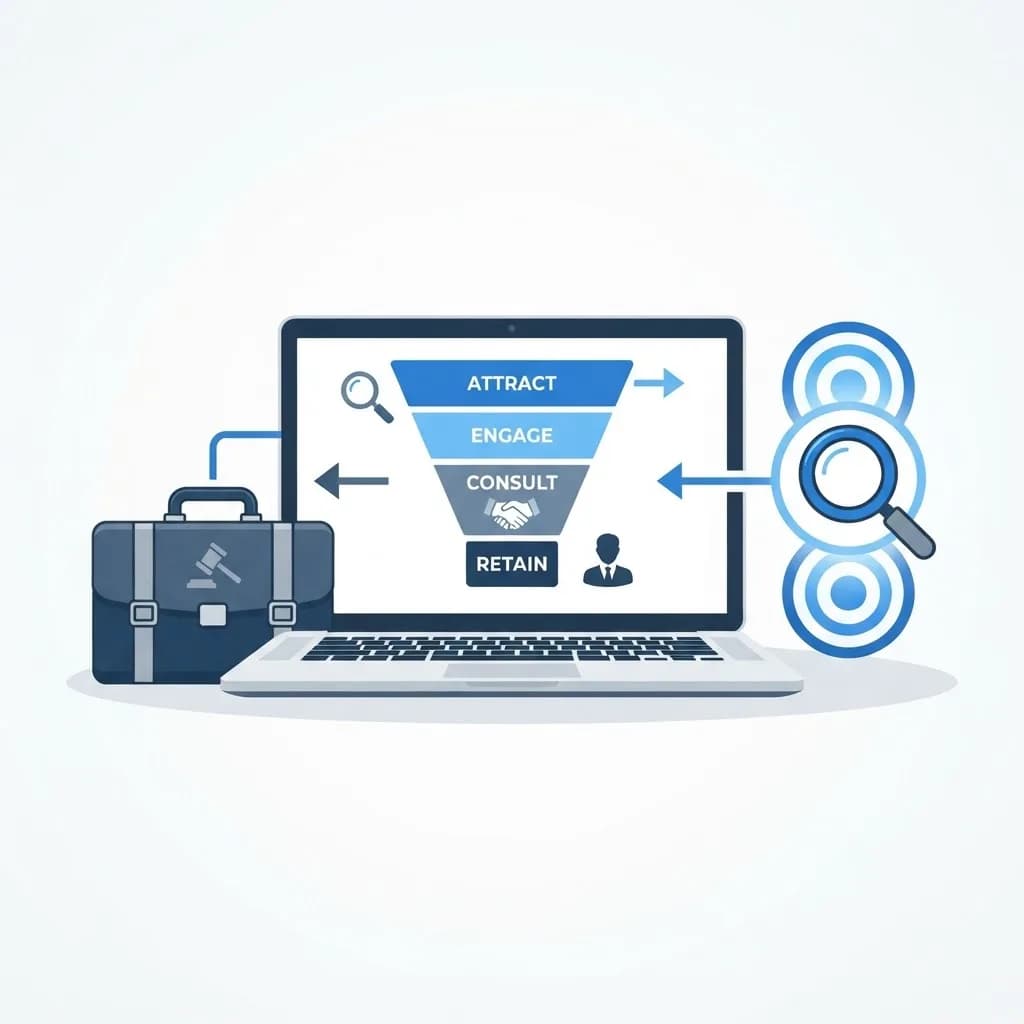
Few marketing categories are as competitive or as expensive as legal advertising, and personal injury sits at the top. PI-specific marketing refers to marketing built specifically for personal injury law practices, where a single signed case can be worth far more than the entire monthly ad budget.
That economics changes everything. Generic tactics do not survive in a market where one click can cost more than a month of hosting and where competitors have decades of brand equity.
This guide explains what PI-specific marketing actually involves, who needs it, the channels that work, and the pitfalls that waste budgets fastest.
What Is PI-Specific Marketing?
PI-specific marketing is a specialized discipline focused on generating qualified personal injury case inquiries: auto accidents, truck collisions, slip and fall, workplace injury, medical malpractice, and mass tort claims.
The defining characteristic of PI-specific marketing is intent capture. Someone injured last night is searching with urgency, and the firm that reaches them first with a credible, easy-to-contact presence usually wins the case.
It also operates under strict rules. State bar advertising regulations govern claims, disclaimers, testimonials, and how results can be described, so compliance is part of the strategy rather than an afterthought.
Who Needs PI-Specific Marketing?
It is not only for large firms with television budgets.
- Solo attorneys and small firms competing against regional advertisers.
- Mid-size practices expanding into new cities or case types.
- Multi-state firms coordinating campaigns across jurisdictions.
- Firms adding a new practice area such as trucking or mass tort.
- Legal marketing agencies that need reliable technical execution.
Key Features
High-Intent Local SEO
Ranking for injury searches in a specific city is the highest-ROI channel over time. That means location pages, Google Business Profile optimization, reviews, and technical performance. Fast, well-structured sites built through professional website design convert far better than dated template sites.
Paid Search with Tight Qualification
Injury keywords are among the most expensive in advertising. Winning requires narrow keyword targeting, negative keyword discipline, dedicated landing pages, and call tracking that ties spend to signed cases.
Authority Content and E-E-A-T
Search engines reward demonstrable expertise, especially on topics affecting money and wellbeing. Attorney-reviewed guides, case results, and clear credentials all matter, which is why firms invest in professional legal content writing.
Intake and Speed to Lead
Marketing ends at the phone call, and intake decides revenue. Response within minutes, 24/7 answering, and clean CRM handoff often improve results more than increasing ad spend.
How to Get Started
A workable sequence for a firm building this from scratch.
- Define your target case types and realistic case value so you can set a defensible cost-per-case target.
- Audit your website for speed, mobile usability, clear contact options, and bar-compliant claims.
- Fix tracking first: call tracking, form attribution, and CRM integration before spending on ads.
- Build location and case-type pages that answer real questions injured people ask.
- Launch tightly targeted paid search on your highest-value case types only.
- Measure cost per signed case, not cost per click or per lead, and reallocate monthly.
Benefits of a PI-Specific Approach
Specialization compounds.
- Higher case quality because targeting matches actual practice areas.
- Lower wasted spend from irrelevant clicks and unqualified calls.
- Compounding organic visibility that reduces long-term paid dependence.
- Compliance built in, lowering bar advertising risk.
- Clear attribution from first click to signed retainer.
Potential Challenges
Go in with clear expectations.
- Extremely high click costs in competitive metro markets.
- Long feedback loops, since case value is confirmed months later.
- Lead-quality problems with shared or resold lead vendors.
- Regulatory risk from overstated claims or non-compliant testimonials.
Best Practices and Tips
The firms that win tend to do these consistently.
- Track cost per signed case as the primary metric and ignore vanity numbers.
- Answer every call live and follow up on web forms within five minutes.
- Build a steady review pipeline, since reviews influence both rankings and conversion.
- Keep your site fast and secure, with hardened forms and data handling supported by cybersecurity services for handling sensitive client data.
Real-World Example
Picture a three-attorney firm spending a large monthly budget on broad injury keywords. Leads look plentiful, but most are outside their practice area or jurisdiction, and cost per signed case is unsustainable.
They restructure: cut broad terms, build dedicated landing pages for car accident and trucking cases in three specific cities, add call tracking, and commit to answering every call within a minute. Volume drops but signed cases rise, and cost per case falls sharply. Rebuilding the site with a fast Next.js front end and layering on disciplined digital marketing management is what made the difference, not a bigger budget.
Why It Matters
Personal injury marketing is a market where the difference between good and mediocre execution is measured in six figures. Sloppy tracking, a slow website, or an unanswered phone quietly destroys returns even when the ads work.
It also matters for the people searching. Someone dealing with an injury needs clear, honest information quickly. Firms that provide genuinely useful answers earn both trust and better search visibility, which is exactly what current search quality guidelines reward.
Frequently Asked Questions
What does PI stand for in PI-specific marketing?
PI stands for personal injury. PI-specific marketing means campaigns designed for personal injury legal services rather than general business or legal advertising.
Is SEO or paid search better for personal injury firms?
Paid search delivers cases immediately but stays expensive, while SEO takes longer and then lowers acquisition cost over time. Most successful firms run both, using paid search for immediate volume and SEO for durable growth.
How much should a firm budget?
Budget should be derived from average case value and target cost per signed case, not from a flat percentage. In competitive metros, expect meaningful monthly investment and plan for several months before results stabilize.
Are purchased injury leads worth it?
Sometimes, but shared leads are often resold to multiple firms and convert poorly. Exclusive leads with transparent sourcing perform better, and owned channels almost always produce higher-quality cases long term.
Conclusion
PI-specific marketing works when strategy, technology, and intake all align. Focus on high-intent search, measure cost per signed case, stay compliant, and treat response time as a marketing channel of its own.
If your firm's website is holding back an otherwise solid campaign, start with high-performance front-end development for law firm websites and turn more of your existing traffic into signed cases.
Enjoyed this article? Share it with others!