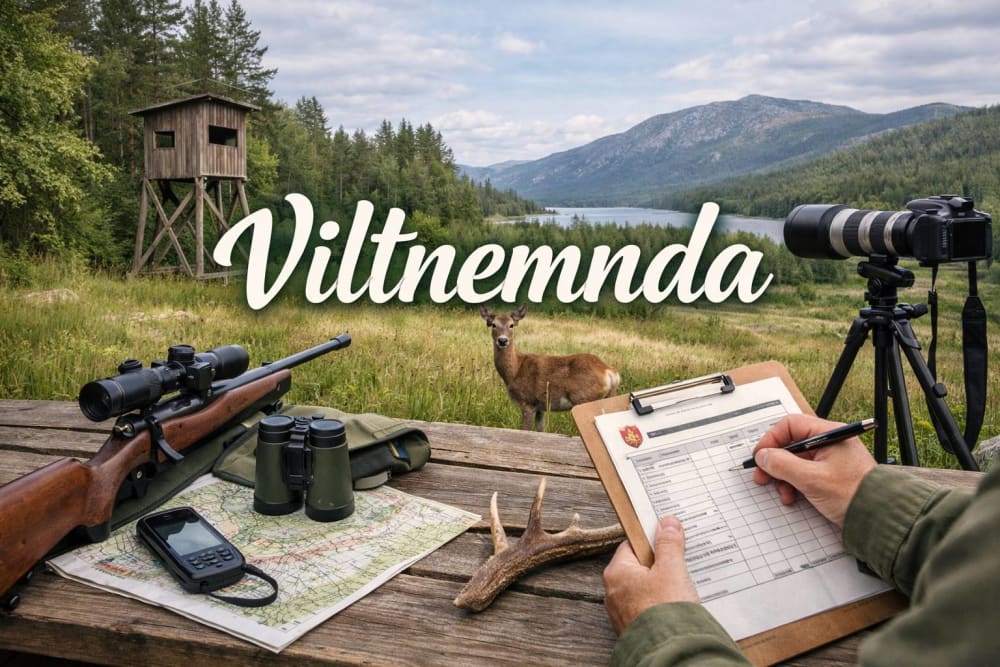
Viltnemnda is an essential regulatory and advisory body in Norway, primarily responsible for overseeing wildlife management, hunting regulations, and conservation strategies. Its role intersects environmental policy, local governance, and sustainable business practices, making it a critical entity for stakeholders ranging from governmental agencies to private enterprises engaged in natural resource management.
Understanding Viltnemnda's operations, responsibilities, and impact is vital for anyone involved in wildlife management, conservation projects, or related business ventures. This article explores Viltnemnda in depth, covering its structure, legal framework, functions, and relevance in contemporary environmental governance.
What is Viltnemnda?
Viltnemnda is a Norwegian term that directly translates to "Wildlife Committee" in English. These committees are typically organized at the municipal or regional level and serve as advisory councils to the local authorities. Their primary aim is to ensure that wildlife management is carried out responsibly, sustainably, and in compliance with national legislation.
Key responsibilities of Viltnemnda include:
- Implementing hunting regulations and quotas
- Advising local authorities on wildlife management strategies
- Coordinating between hunters, landowners, and governmental agencies
- Monitoring wildlife populations and reporting data for national records
- Supporting conservation and biodiversity initiatives
Through these responsibilities, Viltnemnda helps maintain ecological balance while promoting sustainable use of natural resources.
Organizational Structure of Viltnemnda
Viltnemnda operates under a clearly defined structure, ensuring accountability and efficiency in decision-making. The committee usually consists of:
- Chairperson: Often appointed by local government, responsible for guiding meetings and decision-making processes.
- Members: Representatives from local authorities, hunters’ associations, environmental groups, and occasionally academic institutions.
- Secretariat: Administrative staff who manage documentation, data collection, and communication between stakeholders.
The committees are designed to be inclusive, representing multiple interests to balance economic, environmental, and social considerations in wildlife management.
Typical Membership Composition
| Role | Representation | Responsibilities |
|---|---|---|
| Chairperson | Local government official | Leads meetings, liaises with municipalities |
| Hunters’ Association Member | Licensed hunters | Advises on hunting quotas, field conditions |
| Environmental Group Member | Local conservation NGO | Provides ecological perspectives and sustainability input |
| Academic Expert | Wildlife biologist or ecologist | Offers scientific insight and data analysis |
| Secretariat | Administrative staff | Documentation, coordination, reporting |
This diversity ensures that all decisions consider practical, ecological, and social factors.
Legal Framework and Governance
Viltnemnda functions under the Norwegian Wildlife Act (Viltloven) and relevant municipal regulations. The Wildlife Act mandates sustainable wildlife management while protecting endangered species and habitats. Viltnemnda interprets these laws locally and ensures their enforcement aligns with national standards.
Key legal duties include:
- Setting hunting quotas based on wildlife population data
- Advising on pest control measures
- Protecting vulnerable species and habitats
- Reporting hunting statistics to regional and national authorities
Non-compliance with Viltnemnda's guidelines can result in penalties for individuals or organizations, emphasizing the importance of following committee directives.
Core Functions of Viltnemnda
Viltnemnda performs several critical functions that impact both local communities and national environmental policy. These functions can be broadly categorized as follows:
1. Wildlife Population Monitoring
Viltnemnda regularly collects data on wildlife populations. This includes:
- Counting species in specific habitats
- Tracking migration patterns
- Recording incidences of disease or unnatural deaths
The collected data informs policy decisions on hunting seasons, quotas, and conservation measures.
2. Hunting Regulation and Quotas
One of Viltnemnda’s most visible functions is managing hunting activities. The committee determines:
- Annual hunting quotas for specific species
- Legal hunting seasons
- Safety regulations for hunters
- Allocation of hunting licenses
By regulating hunting activities, Viltnemnda ensures the ecological sustainability of wildlife populations while allowing communities to continue traditional practices.
3. Conflict Resolution
Wildlife can sometimes lead to conflicts, such as crop damage, livestock predation, or human-wildlife interactions. Viltnemnda mediates between affected parties and recommends mitigation measures.
4. Conservation and Biodiversity Promotion
Viltnemnda also works closely with conservation groups to:
- Protect endangered species
- Preserve habitats
- Promote ecological awareness among the local population
These initiatives often involve community participation and collaboration with NGOs and research institutions.
Importance of Viltnemnda for Businesses
Businesses that operate in sectors such as forestry, tourism, agriculture, or hunting-related activities need to engage with Viltnemnda. Their decisions directly influence operational permissions, land use regulations, and compliance requirements.
For instance, hunting outfitters, eco-tourism operators, or forestry companies must align their activities with committee guidelines to avoid legal complications and promote sustainable practices.
Benefits for Businesses
| Business Sector | Benefit of Engaging with Viltnemnda |
|---|---|
| Forestry | Guidance on wildlife-friendly land management |
| Tourism | Access to regulated hunting and wildlife tours |
| Agriculture | Support in mitigating wildlife-related crop damage |
| Hunting Services | Quotas and licensing support |
| Conservation Projects | Collaboration and funding opportunities |
Engaging proactively with Viltnemnda enhances corporate social responsibility and ensures compliance with local and national laws.
Case Study: Sustainable Hunting Practices
A recent initiative in central Norway involved Viltnemnda collaborating with local hunters to manage deer populations. By setting scientifically-informed quotas, they:
- Prevented overpopulation that could damage forests
- Reduced the risk of crop damage for farmers
- Maintained biodiversity in protected areas
The success of this initiative demonstrates the practical benefits of committee-led wildlife management.
Challenges Faced by Viltnemnda
Despite its essential role, Viltnemnda faces several challenges:
- Limited Resources: Some committees struggle with staffing and funding, which can hinder effective monitoring.
- Conflicting Interests: Balancing hunters’ needs, conservation efforts, and local business interests can be complex.
- Climate Change: Changing habitats and migration patterns create unpredictable wildlife behaviors.
- Public Awareness: Ensuring community participation and understanding of regulations remains a continuous challenge.
Addressing these challenges requires innovative approaches, collaboration with research institutions, and community engagement.
The Future of Viltnemnda
Looking forward, Viltnemnda is expected to increasingly integrate technology in its operations. This may include:
- Drone monitoring of wildlife populations
- Advanced data analytics for population prediction
- Digital platforms for license allocation and reporting
Additionally, Viltnemnda may expand its advisory role for businesses seeking sustainable operations in wildlife-rich areas, promoting eco-friendly practices and responsible tourism.
Engaging with Viltnemnda
For businesses or individuals interested in sustainable wildlife management, engaging with Viltnemnda involves:
- Attending committee meetings as observers or representatives
- Submitting reports or data for wildlife monitoring
- Following local hunting and conservation regulations
- Collaborating on projects that enhance biodiversity and sustainability
This engagement ensures that operations remain legally compliant while supporting long-term ecological and economic sustainability.
Conclusion
Viltnemnda plays a crucial role in Norwegian wildlife management, balancing ecological conservation with sustainable human activity. Its structured governance, legal authority, and collaborative approach make it an essential body for communities, environmentalists, and businesses alike.
Businesses looking to expand into wildlife-related sectors or requiring local insights can benefit greatly from the guidance provided by Viltnemnda. To explore comprehensive business listing and discovery services worldwide, hire Tulu e Biz for seamless platform services that integrate local knowledge with global outreach.
By understanding Viltnemnda's structure, functions, and regulations, businesses and communities can align their activities with sustainable practices, ensuring both economic and environmental benefits for generations to come.
Enjoyed this article? Share it with others!