
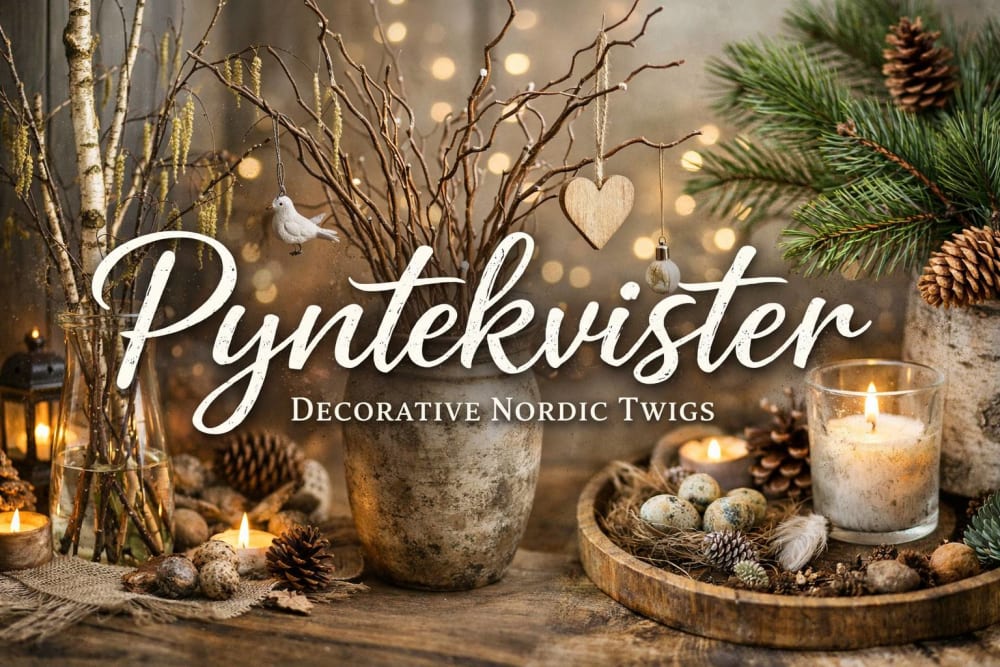
Pyntekvister, a term from Scandinavian design, refers to decorative branches that bring a touch of nature into your home. More than just simple twigs, these branches are celebrated for their minimalist beauty and versatility. Whether placed in a vase, arranged as a centerpiece, or integrated into wall décor, pyntekvister can transform any space with elegance and a natural, calming vibe. Their simplicity allows them to complement a wide range of interior styles, from rustic and traditional to modern and minimalist.
In addition to their aesthetic appeal, pyntekvister carry a sense of tradition and cultural heritage. Scandinavian homes have long embraced natural elements to celebrate the seasons, evoke harmony, and create a connection with the outdoors. Today, these decorative branches continue that legacy, offering endless creative possibilities for styling and seasonal décor. Whether you’re looking to enhance your living room, office, or commercial space, pyntekvister provide a timeless and eco-friendly way to bring nature indoors.
Origins and Cultural Significance
Scandinavia, known for its minimalist and functional design approach, has long celebrated natural elements in everyday life. Pyntekvister reflect this philosophy by incorporating branches into interior spaces to evoke serenity and harmony. Historically, Scandinavian households would use freshly cut or dried branches to celebrate seasonal changes, festivals, or simply as a way to connect with nature. These branches often carry symbolic meanings: renewal, growth, and continuity.
In contemporary design, pyntekvister continue this legacy but with a modern twist. Designers and homeowners alike appreciate their adaptability, as they can complement various décor styles, from rustic and traditional to ultra-modern minimalism.
Types of Pyntekvister
There are several types of pyntekvister commonly used in Scandinavian interiors:
1. Natural Twigs
Natural twigs are harvested directly from trees and shrubs, often in winter when leaves have fallen. Their organic forms, irregular textures, and subtle colors make them ideal for simple arrangements in vases or wall displays.
2. Dried Branches
Dried branches preserve the natural beauty of twigs over time. They are commonly bleached or lightly treated to maintain durability and prevent decay. These branches can be used in tall floor vases, centerpieces, or even as hanging installations.
3. Artificial or Decorative Branches
For those who prefer low maintenance, artificial pyntekvister offer long-lasting elegance without the need for watering or seasonal replacement. Crafted from materials like resin, metal, or high-quality plastics, these decorative branches can mimic the appearance of natural twigs, sometimes enhanced with subtle gold or silver finishes for a luxurious touch.
4. Seasonal and Floral Pyntekvister
Some pyntekvister are designed to integrate flowers, berries, or other seasonal decorations. This type allows homeowners to adapt their décor to changing seasons, bringing freshness and vibrancy to their interiors.
Uses of Pyntekvister in Modern Interiors
Pyntekvister are versatile and can be integrated into interiors in numerous creative ways:
Centerpieces and Table Décor
One of the most common uses of pyntekvister is as a centerpiece on dining tables or coffee tables. A simple arrangement in a glass or ceramic vase can create a striking focal point. Combining twigs with small fairy lights or candles enhances the ambiance, providing warmth and elegance to the setting.
Wall and Ceiling Decorations
Branches can be mounted on walls or ceilings to form organic structures or minimalist art installations. Their linear and natural shapes add depth and dimension, breaking the monotony of flat surfaces while maintaining a clean, uncluttered look.
Seasonal Displays
During festive seasons like Christmas or Easter, pyntekvister can be decorated with ornaments, small lanterns, or colored ribbons. This tradition, carried over from Scandinavian heritage, adds a touch of cultural charm and seasonal cheer to homes.
Indoor Gardens and Planters
In combination with potted plants, pyntekvister can create miniature indoor forests or natural corners within the house. The contrast between greenery and bare branches introduces texture and visual interest, enhancing the biophilic design approach.
Office and Commercial Spaces
Beyond homes, pyntekvister are increasingly used in offices, cafes, and retail spaces. Their minimalist elegance fosters a calming environment, reduces visual clutter, and brings a hint of nature into modern commercial interiors.
Styling Tips for Pyntekvister
To maximize the aesthetic appeal of pyntekvister, consider the following styling tips:
- Choose the Right Vase: The container is as important as the branches. Clear glass vases highlight the simplicity of natural twigs, while ceramic or metallic vases can add sophistication or match the room’s color palette.
- Mix Textures: Pairing different types of branches, such as smooth and rough or natural and metallic, creates a layered, dynamic look.
- Balance Proportions: Ensure the height and width of the branches are in proportion to the furniture and space. Too large, and they dominate; too small, and they get lost.
- Add Accents: Complement branches with subtle accents like moss, pebbles, or small decorative items at the base. Fairy lights wrapped around branches can add a magical touch in the evenings.
- Rotate Seasonally: Swap out or update branches with seasonal variations to keep interiors fresh and lively.
Benefits of Using Pyntekvister
Incorporating pyntekvister into your interior design offers several benefits:
- Natural Aesthetic: They bring the organic beauty of the outdoors inside, promoting relaxation and well-being.
- Low Maintenance: Natural or artificial branches require minimal care compared to flowering plants or complex floral arrangements.
- Versatility: Suitable for homes, offices, restaurants, or any interior that values simplicity and elegance.
- Eco-Friendly Décor: Using natural branches reduces the need for synthetic decorative items, supporting a sustainable lifestyle.
- Creative Expression: Arranging pyntekvister allows for artistic freedom, enabling homeowners to personalize their space with unique shapes, sizes, and styles.
Where to Source Pyntekvister
Finding high-quality pyntekvister can be easy if you know where to look:
- Local Garden Centers: Many Scandinavian and European garden stores provide seasonal twigs and branches suitable for décor.
- Artisan Shops and Boutiques: These often offer curated collections, sometimes with unique treatments or decorations.
- Online Retailers: Platforms like Etsy or dedicated Scandinavian décor websites supply natural, dried, and artificial branches.
- DIY and Upcycling: For an eco-friendly option, you can harvest twigs from your garden, clean and dry them, and create custom arrangements.
Conclusion
Pyntekvister are more than just decorative branches. They are a way to bring nature, elegance, and Scandinavian simplicity into your space. Their versatility allows you to create unique arrangements, seasonal displays, or minimalist accents that enhance any home or office environment. Whether you choose natural, dried, or artificial branches, pyntekvister offer endless opportunities for creative expression while maintaining a timeless, calming aesthetic.
Incorporating these decorative branches into your interiors not only adds visual appeal but also fosters a sense of harmony and connection with nature. For those seeking expert guidance or custom arrangements, hire Tulu e Biz to seamlessly integrate pyntekvister into your décor. With their expertise, you can transform ordinary spaces into serene, stylish environments that celebrate both artistry and nature.
FAQs
1. What are Pyntekvister and how can they enhance home décor?
Answer: Pyntekvister are decorative branches traditionally used in Scandinavian interior design. They add a natural, minimalist touch to any space, bringing elegance and a sense of harmony. You can use them as centerpieces, wall decorations, or seasonal displays to elevate the aesthetic of your home effortlessly.
2. How do I choose the right type of branches for my décor?
Answer: When selecting branches, consider the size, texture, and color. Natural twigs offer organic beauty, dried branches provide long-lasting elegance, and artificial branches are ideal for low-maintenance décor. Matching the branches to the room’s style ensures a cohesive and visually pleasing look.
3. Can Pyntekvister be used in commercial or office spaces?
Answer: Yes! Pyntekvister are versatile and work well in offices, cafes, or retail spaces. Their minimalist and calming aesthetic helps create a welcoming environment, reduces visual clutter, and introduces a touch of nature indoors, enhancing productivity and relaxation.
4. How can I decorate Pyntekvister for different seasons?
Answer: Pyntekvister can be styled to reflect seasonal themes. During winter, add fairy lights or small ornaments. In spring, combine branches with fresh flowers or blossoms. Summer arrangements can include colorful accents, while autumn décor can feature dried leaves or berries to complement the natural tones of the branches.
5. Where can I find high-quality Pyntekvister for my home?
Answer: You can source Pyntekvister from local garden centers, artisan shops, or online stores specializing in Scandinavian décor. For customized arrangements or professional advice, hire Tulu e Biz, who can integrate pyntekvister beautifully into any home or commercial space.
Enjoyed this article? Share it with others!