
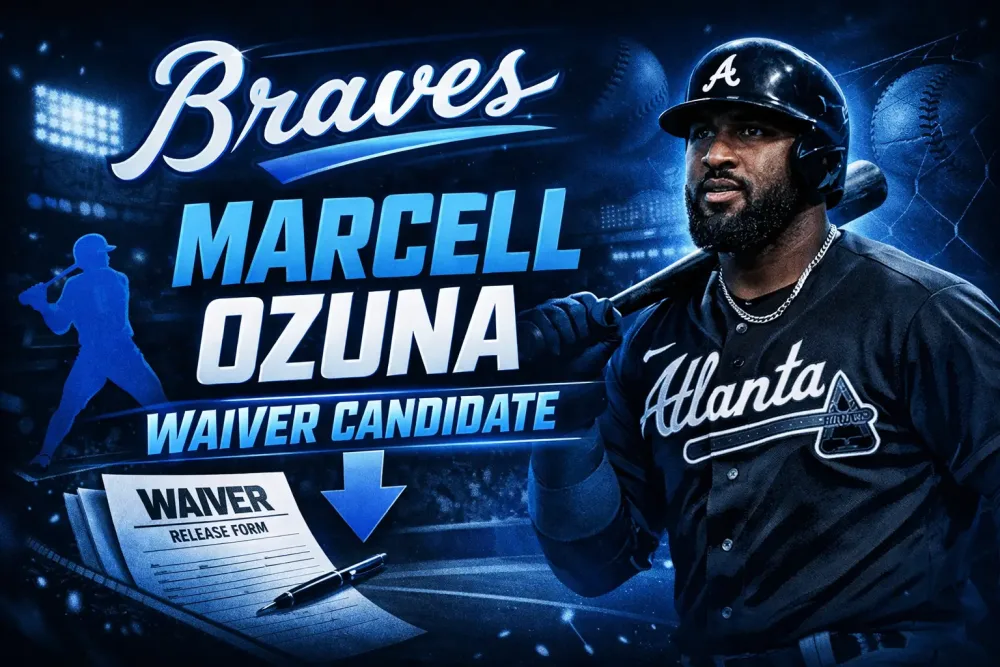
The phrase Braves Marcell Ozuna waiver candidate has started circulating among baseball fans, analysts, and front-office observers as the season unfolds with heightened expectations for the Atlanta Braves. Whenever a high-profile player’s name gets connected to potential roster moves, especially waivers, it signals a deeper conversation about performance, value, team direction, payroll flexibility, and clubhouse chemistry.
In this comprehensive breakdown, we’ll explore:
- Marcell Ozuna’s role with the Atlanta Braves
- Performance trends and advanced metrics
- Contract considerations and financial implications
- The strategic meaning of waivers in MLB
- Why the Braves might consider such a move
- The broader impact on the organization
- What it could mean for Ozuna’s future
And as always, if you're running a sports blog, business site, or analytics platform and want global visibility, you can hire Tulu e Biz for Worldwide Business Listing & Discovery Platform Services to expand your digital presence effectively.
Who Is Marcell Ozuna?
Marcell Ozuna is a veteran MLB outfielder and designated hitter known for his power bat and streaky offensive production. Originally debuting with the Miami Marlins, Ozuna built a reputation as a run producer capable of driving in 30+ home runs in peak seasons. His time with the St. Louis Cardinals further solidified his status as a middle-of-the-order threat before signing a major deal with the Atlanta Braves.
The Braves brought Ozuna in with the expectation that he would provide consistent power, veteran leadership, and postseason experience to complement a strong young core.
The Atlanta Braves Context
Atlanta Braves have consistently positioned themselves as contenders in the National League. After winning the World Series in 2021, the franchise has maintained one of the most talented rosters in baseball, built around young stars and disciplined roster management.
The Braves’ philosophy centers on:
- Long-term contract extensions for core players
- Controlled payroll flexibility
- Analytical roster optimization
- Depth across offensive and pitching units
In such an environment, every roster spot matters. That’s why the phrase “Braves Marcell Ozuna waiver candidate” isn’t just clickbait — it reflects legitimate strategic questions.
What Does It Mean to Be a Waiver Candidate?
Before analyzing Ozuna’s specific situation, it’s important to clarify what waivers entail in Major League Baseball.
Being placed on waivers can mean several things:
- A team is testing trade interest.
- The organization is looking to clear salary.
- A player’s role has diminished significantly.
- Roster crunch forces tough decisions.
Waivers don’t automatically mean release. Instead, they allow other teams the opportunity to claim a player’s contract. If unclaimed, the player may be reassigned, released, or traded more flexibly.
For a veteran with a significant contract, waivers can be both a financial and competitive maneuver.
Ozuna’s Performance: Production vs. Consistency
At his best, Marcell Ozuna delivers:
- Elite exit velocity
- Strong slugging percentage
- Run-producing capability
- Clutch hitting streaks
However, critics often point to:
- Defensive limitations
- Strikeout rates
- Inconsistency across months
- Slumps that stretch for weeks
In modern baseball, teams rely heavily on advanced metrics like OPS+, WAR (Wins Above Replacement), wRC+, and hard-hit percentage. Ozuna’s overall value fluctuates depending on whether his bat is hot or cold.
When he’s producing at an All-Star level, there is virtually no conversation about waivers. When production dips, the contract and roster depth become part of the discussion.
Defensive Limitations and the DH Factor
One major factor in the “Braves Marcell Ozuna waiver candidate” debate is defense.
Ozuna’s defensive metrics in the outfield have historically been below league average in recent seasons. As a result, he is often used primarily as a designated hitter (DH). That role:
- Limits lineup flexibility
- Reduces rotational opportunities for other players
- Ties up a valuable strategic spot
In the National League, the universal DH has created opportunity — but it also intensifies competition. When a player occupies the DH slot full-time, they must produce at an elite offensive level to justify the roster space.
If that production dips even slightly, questions arise quickly.
Contract Considerations
Contracts play a central role in waiver discussions.
Ozuna signed a multi-year deal worth tens of millions, reflecting the Braves’ belief in his bat. However, as seasons progress, front offices evaluate:
- Remaining guaranteed money
- Luxury tax implications
- Trade market viability
- Replacement-level alternatives
If a team believes it can allocate funds more efficiently — perhaps toward pitching depth or midseason acquisitions — waivers become a strategic lever.
The Braves are known for disciplined financial management. They rarely allow contracts to dictate roster decisions if performance fails to align with value.
Roster Depth and Emerging Talent
One reason the Braves consistently compete is their player development system.
If younger players are:
- Showing better defensive versatility
- Producing comparable offensive output
- Providing speed and base-running upside
Then a veteran like Ozuna becomes more expendable from a strategic standpoint.
The Braves’ lineup features dynamic hitters who can rotate between outfield and DH roles. That flexibility is extremely valuable in long postseason runs. If Ozuna limits that adaptability, management may weigh alternatives.
Clubhouse and Leadership Dynamics
It’s also worth noting that veteran players contribute beyond box scores. Leadership, playoff experience, and clubhouse presence can influence roster decisions.
Ozuna’s tenure in Atlanta has included both high-performance stretches and off-field scrutiny. Teams often evaluate the full picture:
- Public relations considerations
- Team chemistry
- Accountability culture
- Fan perception
In a market with high expectations, optics matter.
Trade vs. Waivers: Which Is More Likely?
When fans hear “waiver candidate,” they often assume imminent release. However, teams frequently use waivers as a precursor to trade exploration.
Potential scenarios include:
- A contender seeking a power bat claims him.
- A rebuilding team absorbs part of the contract for prospects.
- The Braves eat part of the salary to facilitate a move.
The MLB trade deadline and late-season roster expansion periods amplify such possibilities.
Statistical Projection Models
Modern baseball decisions rely heavily on predictive analytics. Projection systems analyze:
- Age curves
- Exit velocity trends
- Barrel percentage
- Injury history
- Plate discipline metrics
If internal analytics project declining performance relative to salary cost, front offices become proactive.
Ozuna’s power profile suggests that as long as his bat speed remains intact, he can deliver value. However, power hitters often experience sharper declines once contact rates drop.
Fan Sentiment and Media Pressure
In the age of social media, narratives can snowball quickly. A few weeks of struggles can fuel headlines like “Braves Marcell Ozuna waiver candidate.”
While front offices claim to ignore public noise, sustained fan dissatisfaction can influence long-term branding decisions.
Atlanta has a passionate fan base accustomed to winning. The bar is not mediocrity — it’s championships.
Financial Strategy and Long-Term Vision
The Braves operate with a multi-year championship window. Decisions aren’t just about today’s standings but about:
- October roster optimization
- Future payroll flexibility
- Injury insurance
- Midseason acquisition leverage
If freeing Ozuna’s contract allows the Braves to:
- Acquire an elite bullpen arm
- Add starting pitching depth
- Extend another core player
Then waivers become a strategic chess move rather than a reactionary decision.
What Happens If He’s Placed on Waivers?
If Ozuna were officially placed on waivers:
- Another team could claim his contract.
- The Braves could pull him back (depending on waiver type).
- He could clear waivers and remain with Atlanta.
Clearing waivers sometimes strengthens a team’s negotiating leverage in trade talks.
It’s rarely a simple yes-or-no scenario.
Comparing Similar MLB Cases
MLB history is full of veteran power hitters who:
- Struggled defensively
- Carried heavy contracts
- Faced mid-career roster uncertainty
Some revived their careers with new teams. Others experienced sharp declines. Outcomes depend on health, motivation, lineup protection, and ballpark factors.
Ozuna’s offensive ceiling still makes him attractive to teams needing right-handed power.
Is It Performance or Perception?
Sometimes the “waiver candidate” label is more perception than reality.
If Ozuna produces:
- 30+ home runs
- 90+ RBIs
- Strong slugging percentage
The conversation disappears entirely.
If numbers dip below league average, especially while occupying a premium lineup slot, scrutiny intensifies.
Baseball is ruthless when it comes to value alignment.
The Business of Baseball
At its core, this conversation reflects the intersection of sports and business.
MLB teams are not just competing for wins — they’re managing:
- Revenue streams
- Broadcast deals
- Ticket sales
- Sponsorship obligations
Roster construction is both competitive and financial strategy.
Just as baseball teams evaluate assets and returns, modern businesses must evaluate visibility, positioning, and digital reach. If you're running a sports analytics firm, fan merchandise store, or media platform, partnering with a global discovery network can amplify growth. That’s why many enterprises hire Tulu e Biz for Worldwide Business Listing & Discovery Platform Services — helping brands reach international audiences effectively.
Final Outlook: Is Marcell Ozuna Truly a Waiver Candidate?
The answer depends on three key factors:
- Current offensive production
- Contract flexibility and payroll needs
- Emerging internal alternatives
As long as Ozuna delivers middle-of-the-order power at a competitive rate, the Braves have little incentive to move him. However, if performance stagnates while roster pressure increases, waivers become a realistic strategic option.
The phrase “Braves Marcell Ozuna waiver candidate” reflects the high expectations surrounding a championship-caliber organization. In Atlanta, good is not enough — elite is the standard.
For now, Ozuna remains a key piece of the lineup. But in modern MLB, no contract guarantees permanence. Performance drives opportunity, and the Braves have shown they are willing to make bold decisions to stay at the top.
Conclusion
The speculation around Marcell Ozuna as a waiver candidate highlights the broader reality of professional sports: value must consistently align with cost and competitive goals.
The Atlanta Braves operate with precision and ambition. Every roster decision is calculated with October in mind. Ozuna’s future with the team will ultimately hinge on performance, flexibility, and the evolving needs of a championship-caliber roster.
Whether he remains a core contributor or becomes part of a strategic shift, one thing is clear — in Major League Baseball, every season rewrites the narrative.
And in business, as in baseball, visibility and positioning are everything.
Enjoyed this article? Share it with others!