
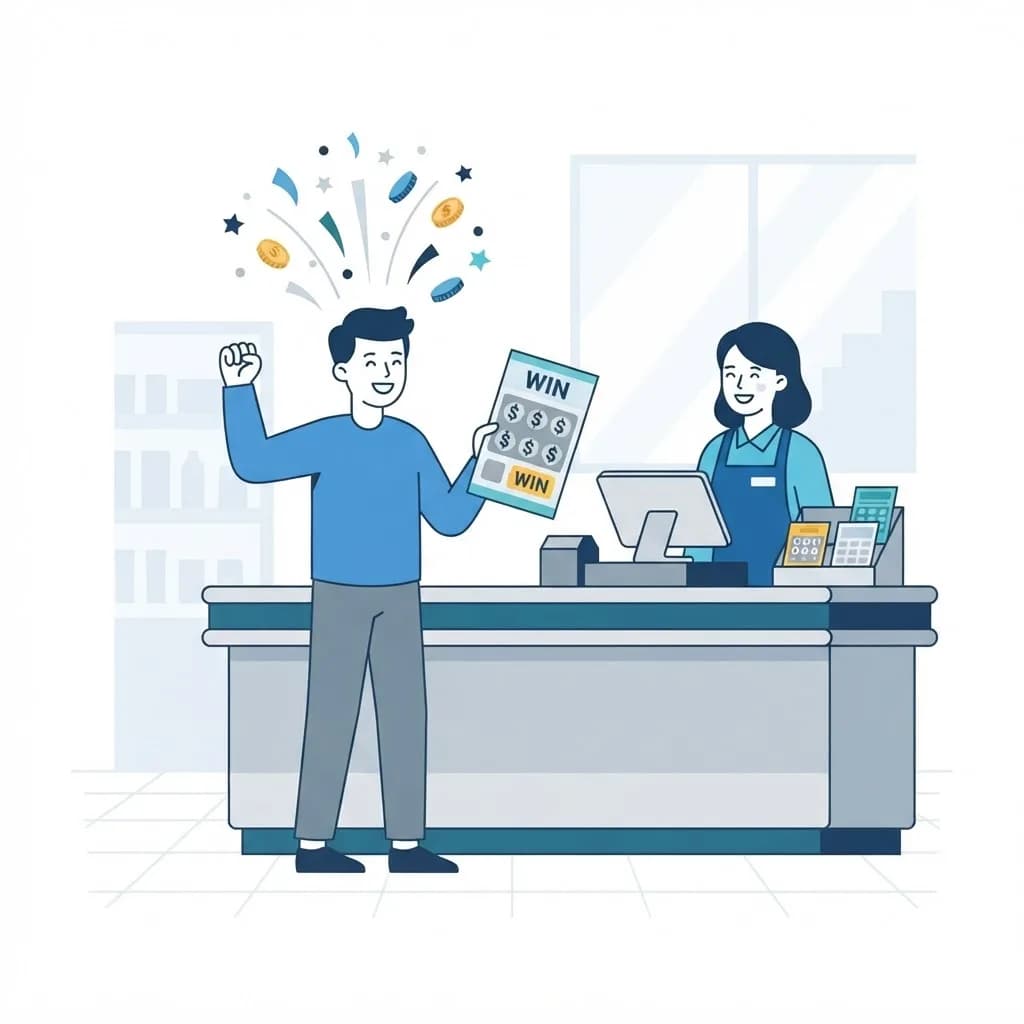
When a Pennsylvania retailer sold a $1 million scratch-off ticket, it wasn't just a lucky day for the winner. Selling a top-prize lottery ticket is a notable event that benefits the store, the community, and often earns the retailer a special bonus.
These stories highlight how lottery sales can boost foot traffic and reputation for small retailers, from convenience stores to gas stations.
In this article, we explore what happens when a retailer sells a big scratch-off ticket, how retailer bonuses work, and why lottery sales matter for local businesses.
What Happens When a Retailer Sells a Winning Ticket?
When a store sells a major winning lottery ticket, the retailer is often recognized publicly and may receive a selling bonus from the state lottery.
The retailer bonus is a reward for selling the winning ticket, separate from the prize the customer receives. In many states, this can be a percentage of the prize or a fixed amount.
Beyond the bonus, the store gains valuable publicity, drawing curious customers who hope the location is "lucky."
Who Benefits From Lottery Retail Sales?
Selling lottery tickets creates value for several parties.
- The winning customer who claims the prize
- The retailer who earns a selling bonus
- The local community through increased foot traffic
- The state, which funds programs through lottery revenue
- Nearby businesses benefiting from extra visitors
Key Aspects of Lottery Retailing
Retailer Selling Bonuses
Many state lotteries reward stores that sell top-prize tickets, providing a direct financial incentive to offer lottery products.
Increased Foot Traffic
News of a big win draws attention. Shoppers often visit the "lucky" store, boosting sales of other products too.
Brand Reputation Boost
Being known as the store that sold a winning ticket builds local reputation, which smart owners amplify through social media management.
Commission on Sales
Retailers typically earn a commission on every lottery ticket sold, creating a steady revenue stream.
How Retailers Sell Lottery Tickets
Becoming a lottery retailer follows a structured process.
- Apply to become a licensed lottery retailer in your state.
- Meet requirements for location, security, and licensing.
- Install lottery terminals and scratch-off displays.
- Train staff on sales, validation, and regulations.
- Promote lottery products to customers responsibly.
- Claim retailer bonuses when applicable.
Retailers who promote a winning-store story often build simple landing pages to capture attention. Clean WordPress development makes this quick and affordable.
Benefits for the Retailer
Selling lottery tickets, especially winning ones, offers tangible advantages.
- Direct selling bonuses for top-prize tickets
- Steady commission on ticket sales
- Increased customer foot traffic
- Free publicity and local reputation boost
- Higher sales of complementary products
Potential Challenges
Lottery retailing also involves responsibilities and risks.
- Strict regulations and compliance requirements
- Security concerns around cash and tickets
- Managing crowds after a big win
- Responsible gaming obligations
Best Practices and Tips
Retailers can maximize the benefits of lottery sales responsibly.
- Promote responsible gaming to customers
- Leverage winning-ticket news for local marketing
- Keep displays organized and visible
- Train staff on validation and security procedures
Real-World Example
Picture a small convenience store in Pennsylvania that sells a $1 million scratch-off ticket. The state awards the store a selling bonus, and local news covers the story.
In the following weeks, curious shoppers flock to the "lucky" store, buying not just lottery tickets but also snacks, drinks, and fuel. The owner shares the news on social media, turning a single winning ticket into weeks of increased sales and community goodwill.
Why It Matters
Lottery sales are more than a novelty for small retailers. They provide steady commissions, occasional bonuses, and powerful word-of-mouth marketing.
A single winning ticket can transform a store's reputation and drive traffic long after the excitement fades, making lottery retailing a valuable part of many business models.
Frequently Asked Questions
Do retailers get money for selling a winning ticket?
Yes. Many states offer retailers a selling bonus for top-prize tickets, separate from the customer's prize.
How much bonus does a retailer get?
It varies by state, often a set amount or a small percentage of the prize, up to a defined cap.
Does selling lottery tickets help small stores?
Absolutely. It provides commissions, foot traffic, and marketing value, especially when a big winner is sold.
How do stores become lottery retailers?
They apply for a state license, meet location and security requirements, and install approved lottery equipment.
Conclusion
When a Pennsylvania retailer sold a $1 million scratch-off ticket, it showcased how lottery sales reward both winners and stores. From selling bonuses to boosted foot traffic, lottery retailing offers real value for local businesses.
If you want to turn moments like this into lasting marketing wins, explore professional digital marketing to grow your store's reputation.
Enjoyed this article? Share it with others!