
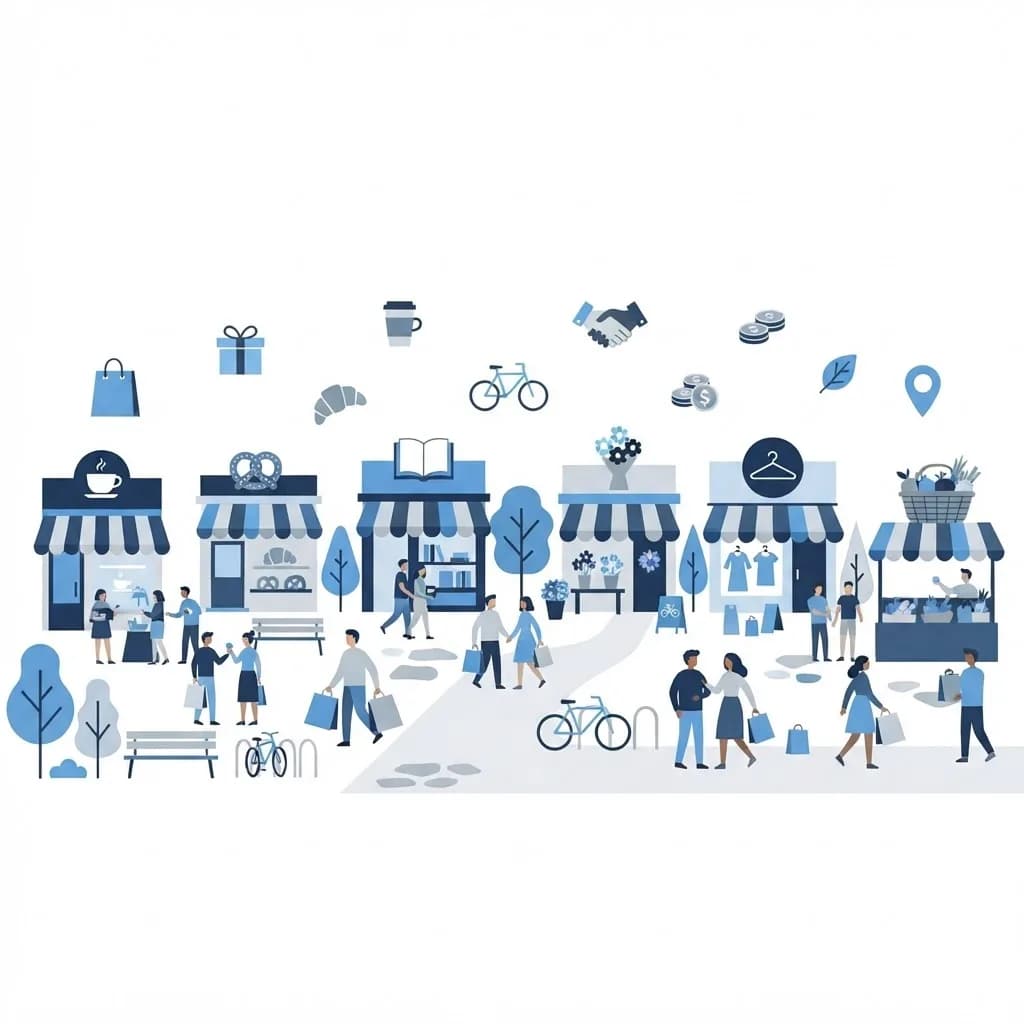
A Midway Market represents the heart of local community shopping, where small vendors, fresh goods, and neighbors come together in one lively space. These markets keep local economies vibrant and personal.
Whether you shop there weekly or want to set up a stall, understanding how a Midway Market works helps you get the most from it. This guide covers the essentials.
We'll explore what these markets offer, who benefits, and practical tips for both vendors and shoppers.
What Is a Midway Market?
A Midway Market is a community-focused marketplace where local vendors sell goods ranging from food and crafts to household items. It blends commerce with community spirit.
The defining trait is local connection: shoppers support neighbors and small businesses instead of distant chains, keeping money and character within the community.
These markets often become social hubs as much as shopping destinations.
Who Needs / Who Uses It?
A local market serves a wide and loyal community.
- Small vendors and artisans selling their goods
- Local farmers offering fresh produce
- Shoppers seeking unique, local products
- New entrepreneurs testing their ideas
- Neighbors wanting a social shopping experience
Key Features
Diverse Local Vendors
Variety is the draw. From fresh food to handmade crafts, a Midway Market offers products shoppers cannot find in typical stores.
Community Atmosphere
These markets feel welcoming and social. That friendly energy keeps shoppers returning week after week.
Vendor Branding
Standout stalls win loyal customers. A clear logo design and consistent look help small vendors build recognition and trust.
Online Extensions
Smart vendors sell beyond market day. A basic website lets them stay connected with customers throughout the week.
How It Works / How to Get Started
Getting involved in a Midway Market is simple.
- Learn the market schedule and vendor rules
- Apply for a stall and choose your products
- Set up an attractive, well-branded booth
- Engage shoppers and collect their contacts
- Follow up online to keep customers coming back
Benefits
Local markets offer real value to everyone involved.
- Support for small, local businesses
- Access to fresh, unique, local products
- Low-cost entry for new entrepreneurs
- Stronger community bonds and connection
- A fun, personal shopping experience
Potential Challenges
Running a market stall has practical hurdles.
- Weather can affect turnout and sales
- Competition among many local vendors
- Limited selling hours on market days
- Building repeat customers takes effort
Best Practices / Tips
Succeed at a Midway Market with these tips.
- Create an eye-catching, well-branded stall
- Offer friendly, memorable customer service
- Collect contacts to build repeat business
- Extend your reach with a simple website
Real-World Example
Imagine a home baker starting out at a Midway Market. She brands her stall clearly, offers free samples, and collects customer emails at every sale.
Soon she launches a simple website for weekly orders, turning market-day shoppers into loyal, year-round customers and growing far beyond a single booth.
Why It Matters
Midway Markets keep local economies alive, support small entrepreneurs, and bring communities together. They offer something big chains simply cannot.
For vendors, they are an affordable launchpad; for shoppers, they are a chance to support neighbors and enjoy a personal experience.
Frequently Asked Questions
What is a Midway Market?
It is a community-focused local marketplace where small vendors sell food, crafts, and goods directly to neighbors and shoppers.
How do I become a vendor?
Check the market's schedule and rules, apply for a stall, and prepare an attractive, well-branded booth with clear pricing.
Can I sell online too?
Yes. Many vendors add a simple website to keep selling and stay connected with customers between market days.
Are local markets worth it for new sellers?
Absolutely. They offer low-cost entry and direct customer feedback, making them ideal for testing new products.
Conclusion
A Midway Market blends local commerce, community, and opportunity into one vibrant space for vendors and shoppers alike. It keeps neighborhoods connected and thriving.
If you sell at markets and want to grow beyond the stall, building a simple business website is a great way to keep customers coming back.
Enjoyed this article? Share it with others!