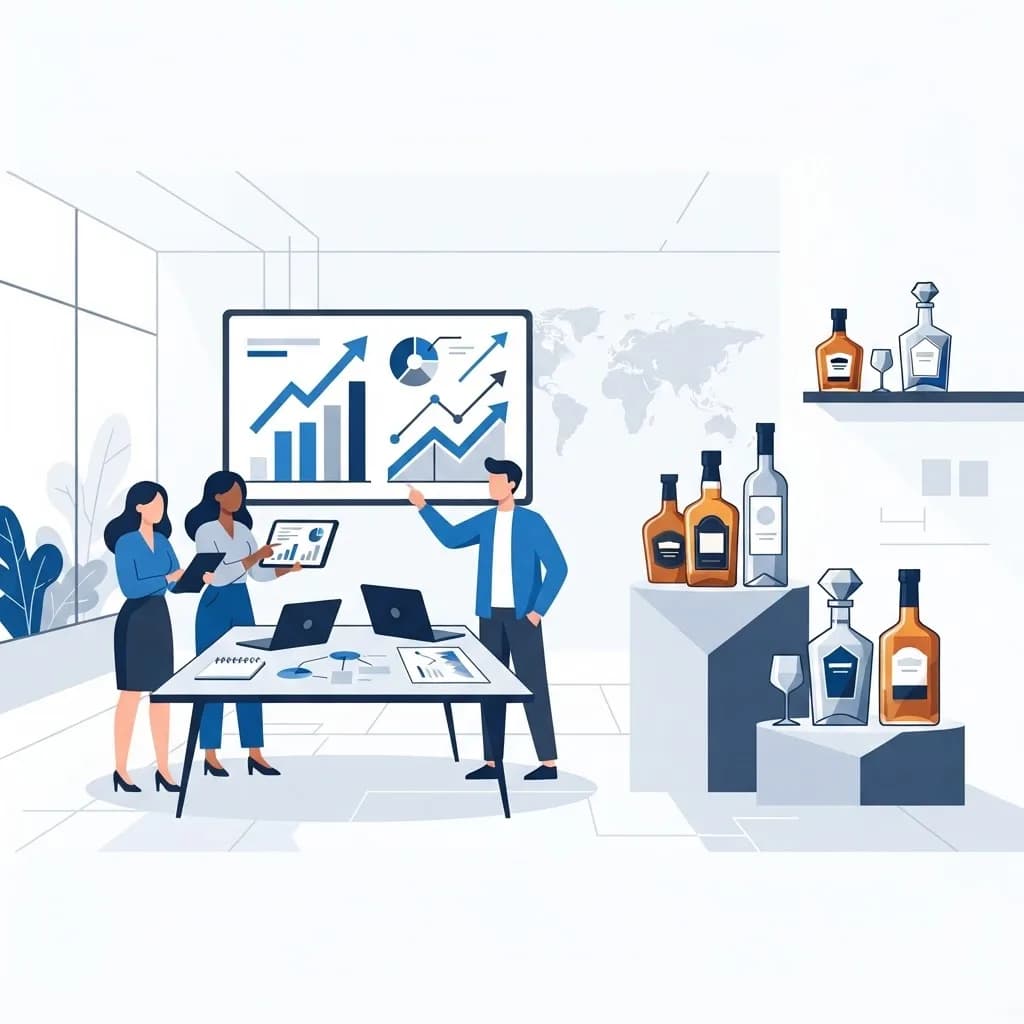
A liquor marketing group helps beverage brands stand out in one of the most competitive and heavily regulated industries in the world. From craft distilleries to global spirits labels, these specialized teams connect products with the right retailers, bars, and consumers.
If you sell wine, beer, or spirits, understanding how a liquor marketing group works can be the difference between shelf obscurity and steady growth. This guide breaks it down in plain language.
We'll cover what these groups do, who needs them, how they operate, and the practical benefits and challenges you should expect along the way.
What Is a Liquor Marketing Group?
A liquor marketing group is a company or team that promotes alcoholic beverage brands through advertising, distribution support, retail activation, and digital campaigns. They understand the unique rules that govern alcohol sales.
Unlike general agencies, a specialized beverage marketing partner knows the three-tier distribution system, age-gating requirements, and state-by-state advertising laws that shape every campaign.
Their goal is simple: build brand awareness, secure distribution, and drive responsible consumption while staying fully compliant.
Who Needs a Liquor Marketing Group?
Any business in the alcohol supply chain can benefit from specialized marketing support. It is not just for big-name labels.
- Craft distilleries and small-batch producers launching new products
- Wineries expanding into new regions or export markets
- Breweries competing for taproom and retail attention
- Importers introducing international brands to local drinkers
- Retailers and bars wanting stronger promotional programs
Key Features
Brand Strategy and Identity
Strong beverage brands start with clear positioning. A liquor marketing group defines your story, audience, and visual identity, often supported by professional logo design that makes your bottle instantly recognizable on a crowded shelf.
Retail and On-Premise Activation
These teams create in-store displays, tasting events, and bar promotions that turn curiosity into purchases. Activation is where brand awareness becomes real sales.
Digital and Social Campaigns
From age-gated ads to influencer partnerships, digital reach matters. Consistent, eye-catching content, including strong social media posts and banner design, keeps brands visible and engaging.
Compliance and Reporting
Every campaign is checked against local alcohol laws. Detailed reporting shows what worked, so budgets are spent where they deliver the strongest return.
How It Works / How to Get Started
Getting started with a liquor marketing group follows a clear, practical path.
- Audit your current brand, distribution, and sales data
- Define target markets, audiences, and measurable goals
- Build a compliant creative and media plan
- Launch retail activations and digital campaigns together
- Track results and refine based on real performance
Benefits
Partnering with specialists gives beverage brands an edge that is hard to build in-house.
- Faster distribution into new retail and on-premise accounts
- Stronger brand recognition among target drinkers
- Full compliance with complex alcohol regulations
- Better use of marketing budgets through data
- Access to industry relationships and buyer networks
Potential Challenges
Even with expert help, alcohol marketing has real hurdles to plan for.
- Strict, ever-changing advertising and labeling laws
- Limited ad platforms that allow alcohol promotion
- High competition for shelf and menu placement
- Balancing growth with responsible-drinking messaging
Best Practices / Tips
These practical tips help brands get more value from a liquor marketing group.
- Always age-gate digital campaigns and verify audiences
- Invest in quality visuals for packaging and ads
- Focus on a few strong markets before expanding wide
- Use sales data, not guesswork, to guide spending
Real-World Example
Imagine a small craft gin distillery struggling to move beyond its home city. A liquor marketing group audits its sales, rebrands the packaging, and launches tasting events in three target markets.
Within a season, the gin lands in dozens of new bars and bottle shops, supported by consistent social content and a refreshed website. The brand grows without breaking a single advertising rule.
Why It Matters
The alcohol industry rewards brands that combine great products with smart, compliant marketing. A liquor marketing group bridges that gap, protecting you legally while pushing you commercially.
In a market where thousands of labels compete for attention, professional support is often what separates the brands that grow from the ones that stall.
Frequently Asked Questions
What does a liquor marketing group actually do?
It handles branding, retail activation, digital campaigns, and compliance so beverage brands can grow distribution and sales responsibly and legally.
Is a liquor marketing group only for big brands?
No. Craft distilleries, wineries, breweries, and importers of all sizes use these services to compete and reach new markets.
How is alcohol marketing different from regular marketing?
It must follow strict age-gating, advertising, and labeling laws that vary by region, which requires specialized knowledge most agencies lack.
How do I measure success?
Track distribution growth, retail sell-through, brand awareness, and return on ad spend rather than vanity metrics alone.
Conclusion
A liquor marketing group turns great beverages into recognizable, well-distributed brands while keeping every campaign compliant. It is a strategic partner, not just a vendor.
If you are ready to grow your beverage brand, consider pairing expert strategy with strong digital marketing support to reach the right audience at the right time.
Enjoyed this article? Share it with others!