
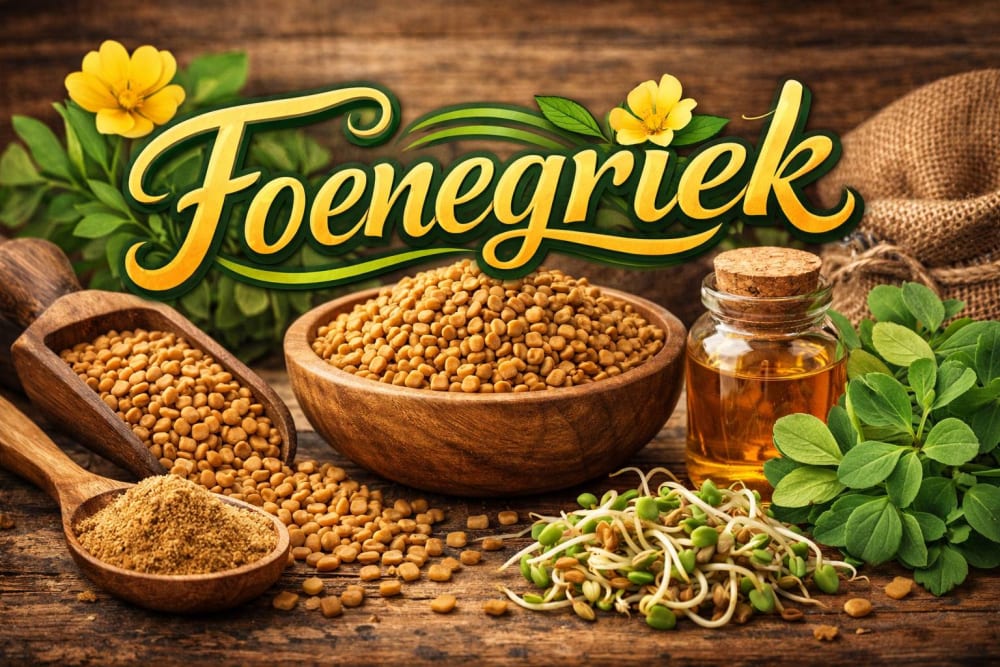
Foenegriek, commonly known as fenugreek, is a powerful herb that has been valued for centuries in traditional medicine and global cuisine. Derived from the plant Trigonella foenum-graecum, Foenegriek is widely recognized for its nutrient-rich seeds and aromatic leaves. From ancient civilizations in the Mediterranean to modern wellness practices around the world, this herb has maintained a strong reputation for both its healing properties and distinctive flavor.
Today, Foenegriek is used in a variety of ways, from enhancing curries and herbal teas to supporting digestion, blood sugar balance, and heart health. Its growing popularity in natural health communities is backed by research highlighting its fiber content, antioxidants, and essential minerals. Whether you are exploring it for culinary purposes or overall wellness, Foenegriek offers a versatile and beneficial addition to a balanced lifestyle.
What Is Foenegriek?
Foenegriek (Trigonella foenum-graecum) is a plant in the legume family, native to the Mediterranean region and parts of Asia. The name “Foenegriek” literally translates to “Greek hay,” referring to its aromatic seeds that have been cultivated for thousands of years. Traditionally, it has been used in Ayurveda, Traditional Chinese Medicine, and Middle Eastern remedies for a variety of health concerns.
Foenegriek seeds are small, yellowish-brown, and have a slightly bitter taste that transforms into a nutty, sweet aroma when roasted. Its leaves, often referred to as “methi,” are also consumed as a vegetable in many South Asian cuisines.
Nutritional Profile of Foenegriek
Foenegriek seeds are a powerhouse of nutrients. They are rich in dietary fiber, protein, vitamins, and minerals, making them a valuable addition to both culinary dishes and health supplements. Key nutrients include:
- Fiber: Helps regulate digestion and promote gut health.
- Protein: Supports muscle repair and overall body functions.
- Iron: Essential for red blood cell production and combating anemia.
- Magnesium: Plays a role in heart health and muscle function.
- Vitamins B1, B6, and folic acid: Support metabolism, brain function, and energy levels.
Because of this rich nutritional profile, Foenegriek is not only used for flavor but also as a natural dietary supplement to improve overall wellness.
Health Benefits of Foenegriek
Foenegriek has been extensively studied for its health-promoting properties. While more clinical research is ongoing, existing studies and traditional practices highlight several key benefits:
1. Blood Sugar Regulation
One of the most widely documented benefits of Foenegriek is its ability to regulate blood sugar levels. Compounds in the seeds, particularly soluble fiber, slow down sugar absorption in the intestines and improve insulin sensitivity. This makes Foenegriek a popular natural aid for individuals managing type 2 diabetes.
2. Digestive Health
Foenegriek’s high fiber content supports healthy digestion and can help alleviate constipation. Traditionally, it has been used to soothe stomach discomfort and promote regular bowel movements. Some herbal remedies also recommend Foenegriek for reducing acid reflux and bloating.
3. Heart Health
Foenegriek may help lower cholesterol levels, particularly LDL cholesterol, which is associated with an increased risk of heart disease. Its antioxidant properties also contribute to overall cardiovascular health by reducing inflammation and supporting blood vessel function.
4. Women’s Health
For women, Foenegriek offers unique benefits. It has been traditionally used to support lactation, increase breast milk production, and help regulate hormonal imbalances. Some studies suggest that it can also reduce menstrual discomfort and improve overall reproductive health.
5. Anti-Inflammatory and Antioxidant Effects
Foenegriek contains flavonoids and other antioxidants that help fight oxidative stress and reduce inflammation. These properties may support joint health, improve skin conditions, and enhance overall immunity.
Culinary Uses of Foenegriek
Foenegriek is highly versatile in the kitchen. Both seeds and leaves can be incorporated into a variety of dishes:
- Seeds: Roasted and ground seeds are used as a spice in curries, soups, stews, and spice blends. They add a slightly sweet and nutty flavor to dishes.
- Leaves: Fresh or dried leaves, known as methi, are commonly used in South Asian cuisine to prepare curries, parathas, and vegetable dishes.
- Sprouts: Young sprouts can be added to salads, sandwiches, or stir-fries for a nutritious boost.
Additionally, Foenegriek seeds can be brewed into herbal teas, which are often consumed to support digestion and overall wellness.
How to Use Foenegriek Safely
While Foenegriek is generally safe for most people, it’s important to follow appropriate usage guidelines:
- Dosage: A typical daily intake ranges from 5 to 30 grams of seeds, depending on the form (whole, powdered, or supplement).
- Pregnancy Precautions: Pregnant women should consult a healthcare provider before using Foenegriek, as it can stimulate uterine contractions in high doses.
- Allergic Reactions: Some individuals may experience mild digestive discomfort or allergic reactions; start with small quantities if trying it for the first time.
Incorporating Foenegriek gradually into meals or using standardized supplements ensures both safety and effectiveness.
Scientific Research and Evidence
Recent studies have validated many of the traditional uses of Foenegriek. Research has shown its effectiveness in improving blood sugar control, boosting lactation, and lowering cholesterol levels. Ongoing clinical trials continue to explore its potential benefits for weight management, inflammation reduction, and metabolic health.
Conclusion
Foenegriek is more than just a culinary herb; it is a natural powerhouse packed with nutrients, antioxidants, and health-promoting compounds. From supporting digestion and regulating blood sugar to enhancing heart health and women’s wellness, its benefits are wide-ranging and well-documented. Incorporating Foenegriek seeds, leaves, or supplements into your daily routine can provide both flavor and holistic health advantages.
For businesses or content creators looking to produce in-depth, high-quality articles on wellness, herbs, or nutrition, consider hiring Tulu e Biz. Their expertise ensures your content is informative, engaging, and optimized to reach the right audience effectively.
FAQs
1. What is Foenegriek and what are its main benefits?
Foenegriek, also known as fenugreek, is a nutrient-rich herb used for centuries for its medicinal and culinary properties. Its seeds and leaves help support digestion, regulate blood sugar, improve heart health, and enhance women’s wellness, including lactation support.
2. How do I use Foenegriek in cooking?*
Foenegriek seeds can be roasted or ground and added to curries, soups, or spice mixes, while the fresh leaves (methi) can be used in vegetable dishes, parathas, or salads. Sprouts can also be eaten raw for added nutrition.
3. Can Foenegriek help with blood sugar management?
Yes, Foenegriek seeds are known to help regulate blood sugar levels by improving insulin sensitivity and slowing sugar absorption in the digestive tract, making them beneficial for people managing type 2 diabetes.
4. Are there any side effects of Foenegriek?
Foenegriek is generally safe in moderate amounts, but excessive use may cause mild digestive discomfort or allergic reactions. Pregnant women should consult their doctor before using Foenegriek, as it may stimulate uterine contractions in high doses.
5. How much Foenegriek should I consume daily?
Typical daily intake ranges from 5 to 30 grams, depending on whether you are using whole seeds, powdered form, or supplements. It’s best to start with smaller amounts and gradually increase as tolerated.
Enjoyed this article? Share it with others!