
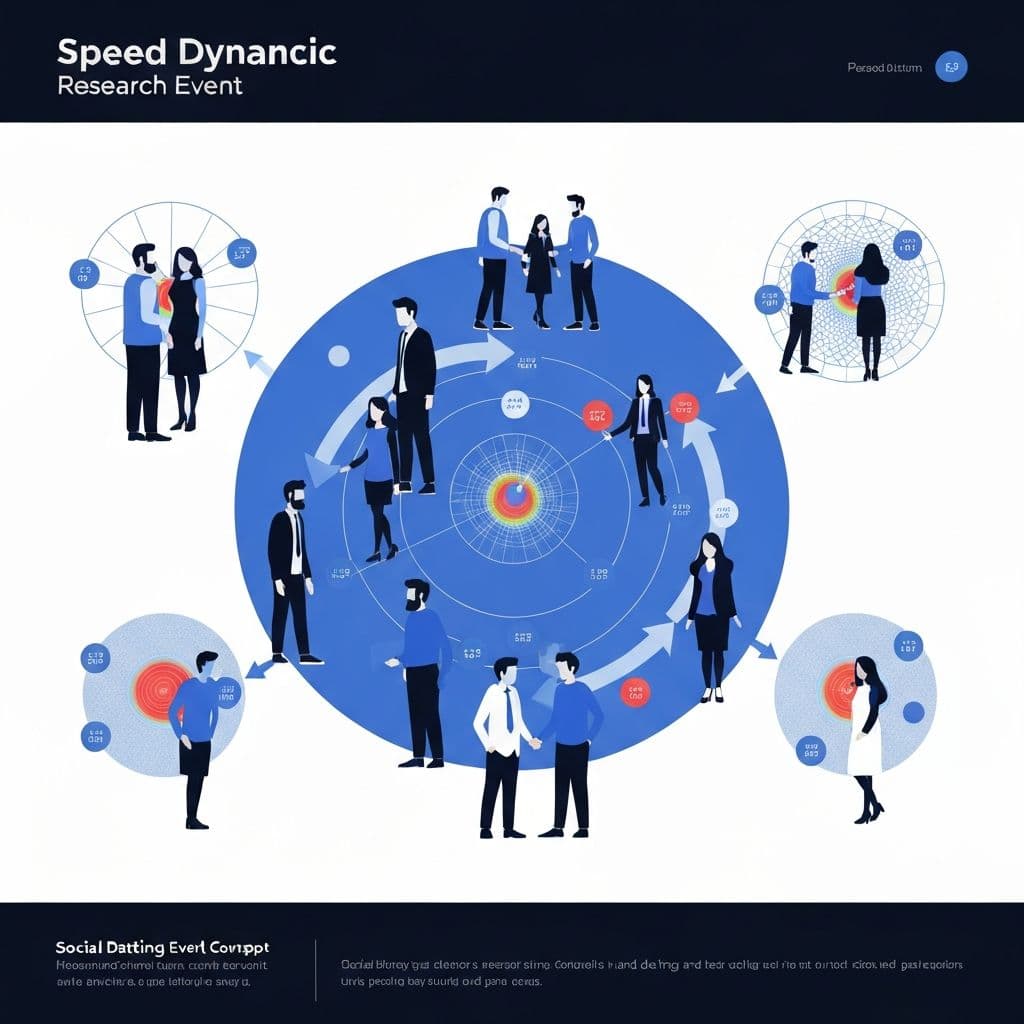
Understanding Speed Dating Research Methodologies
Speed dating represents a fascinating research context for sociologists and psychologists studying human attraction, decision-making, and interpersonal dynamics. Studies examining male participant behavior in speed dating environments reveal significant insights into how individuals make rapid judgments, prioritize characteristics in potential partners, and navigate social interactions under constrained timeframes. These research contexts provide valuable data about authentic human behavior in semi-controlled environments where real consequences exist.
Male subjects participating in speed dating studies demonstrate consistent patterns across diverse research samples and cultural contexts. The highly structured nature of speed dating events creates ideal research conditions for observing decision-making processes relatively free from confounding variables. Multiple academic disciplines including sociology, psychology, economics, and biology examine speed dating data seeking insights into fundamental human behavioral patterns. Resources exploring social dynamics and research methodologies are available through Tulu E Biz.
Initial Attraction and Rapid Assessment Processes
Research consistently demonstrates that male subjects make rapid attraction assessments based on observable physical characteristics during initial interactions. The speed dating format, with typical three to ten minute interactions per partner, creates time pressure forcing individuals to make quick judgments. Males in these studies tend to utilize visual information more heavily than females, focusing on appearance-based criteria in initial selections.
However, research also reveals complexity beyond simple appearance-based selection. Male subjects demonstrate considerable variation in priority hierarchies, with some emphasizing conversational ability, humor, and personality characteristics quite heavily. The compressed timeframe of speed dating actually disadvantages males relying exclusively on appearance-based assessments, as this limited time prevents deeper personality assessment and connection development.
Communication Patterns and Social Performance
Speed dating studies reveal distinct gender differences in communication approaches during rapid interaction periods. Male subjects frequently initiate conversations through questioning techniques, asking female partners about themselves while providing less personal information initially. This communication pattern differs from typical dating contexts where more reciprocal self-disclosure occurs.
Male subjects in speed dating environments often experience social anxiety affecting natural communication patterns. The artificial environment, knowledge that interaction duration is predetermined, and pressure to make positive impressions combine to create stressful conditions. Some male subjects overcome this stress effectively through humor and relaxed social demeanor; others become more reserved and formal, potentially undermining connection development.
Selection Criteria and Expressed Preferences
When asked about selection criteria, male participants frequently cite physical attractiveness as a primary factor, consistent with evolutionary psychology frameworks proposing sex-differentiated attraction patterns. Research findings support this emphasis on appearance as particularly strong among younger male participants. However, further analysis reveals sophisticated hierarchies incorporating education levels, socioeconomic indicators, personality characteristics, and expressed values.
Male subjects demonstrate considerable variability in stated preferences versus revealed preferences apparent through actual selections. Some males express interest in partner characteristics they subsequently fail to select when actually choosing. This discrepancy between stated and revealed preferences suggests social desirability bias affecting interview responses or genuine variability in attraction determinants.
Reciprocal Selection and Matching Outcomes
An important research finding involves examining mutual selections where both male and female participants express interest in each other. Reciprocal selection rates remain surprisingly low in speed dating environments, suggesting high stringency in selection criteria or fundamental mismatches between stated preferences and actual compatibility factors. Male participants frequently report more mutual interest matches when they prioritize personality and conversation quality over appearance-based assessment.
Research indicates that male subjects achieving successful matches typically demonstrated genuine interest in partner perspectives, engaged in reciprocal conversation patterns, and displayed authentic personality rather than attempting to impress through status signaling or self-aggrandizement. Successful male participants seemed comfortable with vulnerability, willing to acknowledge limitations, and genuinely curious about partner perspectives.
Age, Maturity, and Selection Pattern Evolution
Significant age differences emerge in male speed dating behavior. Younger male participants tend to emphasize appearance more heavily and engage in more competitive status displays. Older male participants frequently demonstrate more sophisticated selection criteria incorporating personality compatibility, life goals alignment, and relationship suitability indicators. This evolution suggests maturation toward more realistic relationship expectations and greater appreciation for personality factors.
Male participants who had experienced long-term relationships demonstrated different selection patterns compared to chronically single participants. Those with prior relationship experience appeared more attuned to personality compatibility indicators and less likely to select exclusively on appearance-based criteria. This suggests learning processes refining selection criteria based on actual relationship experience.
Broader Insights for Understanding Modern Dating
Speed dating research examining male subjects contributes substantially to contemporary understanding of attraction, decision-making, and relationship formation. While speed dating represents somewhat artificial conditions, the findings illuminate authentic behavioral patterns. Male selection criteria prove more complex than stereotypes suggesting singular emphasis on appearance. Real person outcomes depend on personal presentation authenticity, communicative engagement, and genuine interest in potential partners.
Enjoyed this article? Share it with others!