
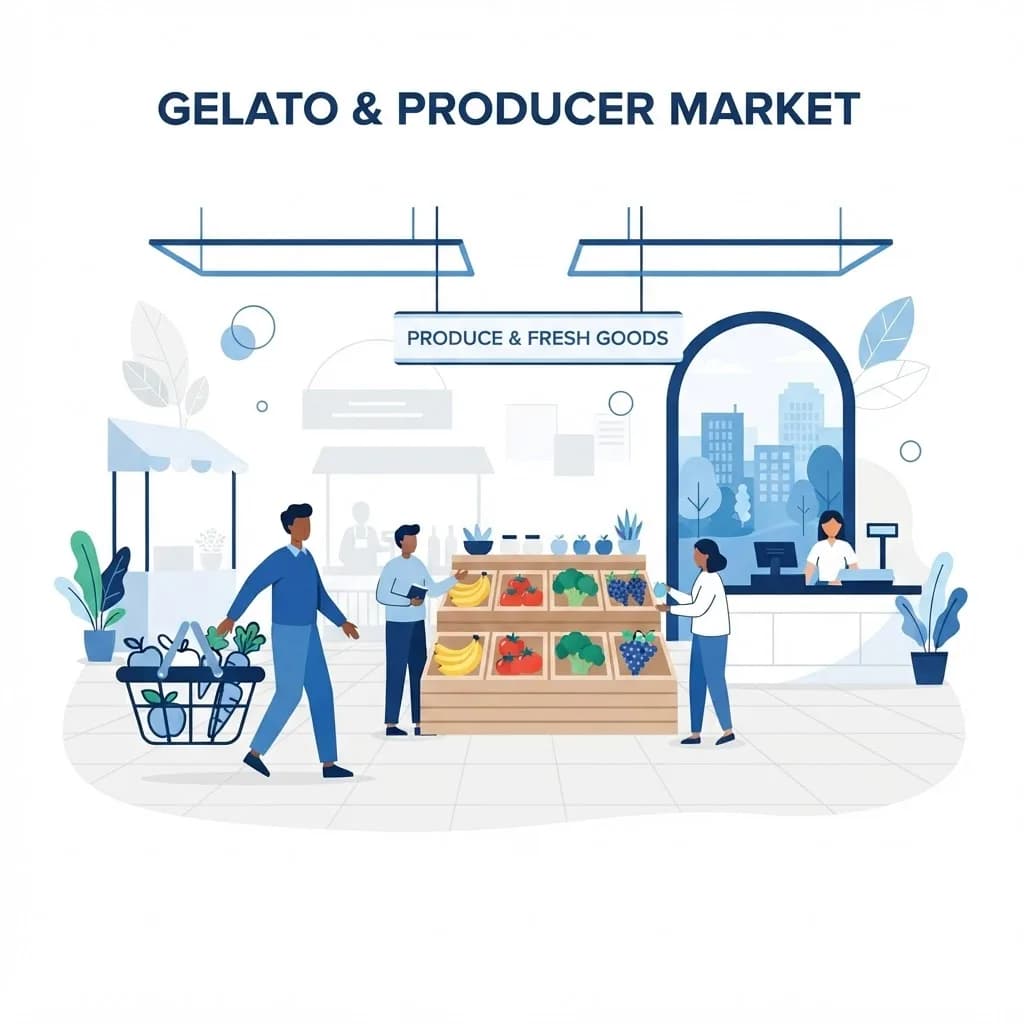
A city fresh market brings fresh produce, quality groceries, and community connection right into the heart of urban neighborhoods. These stores fill a vital role where big supermarkets often fall short.
Whether you shop at one weekly or dream of running your own, understanding how a city fresh market works reveals its real value. This guide explains the essentials.
We'll explore what defines these markets, who they serve, and how owners and shoppers can benefit most.
What Is a City Fresh Market?
A city fresh market is an urban grocery store focused on fresh produce, everyday essentials, and local convenience. It serves dense neighborhoods with quality and accessibility.
The defining trait is freshness close to home: shoppers get quality fruits, vegetables, and staples without traveling far to a large suburban chain.
Many also emphasize local sourcing, diverse products, and a friendly, community feel.
Who Needs / Who Uses It?
City fresh markets serve a wide range of urban shoppers.
- Busy professionals wanting quick, fresh groceries
- Families seeking quality produce nearby
- Residents in areas with limited large stores
- Health-conscious shoppers valuing fresh food
- Local farmers and suppliers reaching customers
Key Features
Fresh Produce Focus
The heart of any city fresh market is its produce. Vibrant, well-stocked fruit and vegetable sections keep customers coming back regularly.
Convenient Location
These markets thrive on accessibility. Being close to home turns grocery shopping into a quick, stress-free part of daily life.
Strong Local Branding
A welcoming identity builds loyalty. Clear signage and thoughtful banner design help a neighborhood market feel trusted and familiar.
Digital Ordering
Many markets now offer online orders and delivery. A simple web application makes ordering fresh groceries effortless for busy customers.
How It Works / How to Get Started
For owners planning a city fresh market, the path is clear.
- Choose a high-traffic, underserved neighborhood
- Build reliable relationships with fresh suppliers
- Design an inviting, easy-to-navigate store layout
- Create a friendly local brand and signage
- Add online ordering to reach more customers
Benefits
City fresh markets deliver value that big chains often cannot.
- Fresh, quality food within easy reach
- Support for local farmers and suppliers
- Stronger community connections and loyalty
- Convenience that fits busy urban lifestyles
- Faster, friendlier shopping experiences
Potential Challenges
Running an urban fresh market is not without difficulties.
- Managing perishable inventory and waste
- Higher urban rent and operating costs
- Competition from large chains and delivery apps
- Keeping produce consistently fresh and stocked
Best Practices / Tips
These tips help a city fresh market succeed.
- Prioritize freshness and rotate stock daily
- Build loyalty with friendly, familiar service
- Offer online ordering for busy shoppers
- Promote local sourcing to stand out
Real-World Example
Consider a small grocer in a dense city block competing with delivery apps. It focuses on daily-fresh produce, partners with local farms, and launches a simple online ordering page.
Regulars start ordering ahead for pickup, foot traffic grows, and the market becomes a beloved neighborhood staple rather than just another store.
Why It Matters
City fresh markets keep urban neighborhoods healthy, connected, and well-fed. They provide access to fresh food where it is needed most.
For communities and owners alike, these markets prove that convenience and quality can coexist without losing a personal touch.
Frequently Asked Questions
What is a city fresh market?
It is an urban grocery store focused on fresh produce, everyday essentials, and convenient local access for neighborhood shoppers.
How is it different from a supermarket?
City fresh markets are smaller, more local, and focused on freshness and convenience rather than sheer size and volume.
Can these markets sell online?
Yes. Many add online ordering and delivery through simple web applications to reach busy customers.
Are they more expensive?
Prices vary, but the freshness, convenience, and local sourcing often deliver strong value for urban shoppers.
Conclusion
A city fresh market blends fresh food, convenience, and community into one valuable neighborhood resource. It serves shoppers and supports local suppliers alike.
If you run a market and want to reach more customers, building a simple online ordering app is a smart way to grow.
Enjoyed this article? Share it with others!