
Wilmington sits in an unusual position for local marketers. It has a permanent population large enough to sustain real competition, a university crowd, a steady tourism flow to Wrightsville Beach, and a growing film and tech presence. All of those audiences move through the same physical spaces at different times.
That movement is exactly what makes NC geofencing digital marketing business search engine optimization Wilmington strategies effective when combined. Geofencing captures people while they are physically near opportunity; SEO captures them while they are searching for it.
This guide explains how both work, where each fits, and how local businesses combine them without wasting budget.
What Is Geofencing and How Does It Pair With SEO?
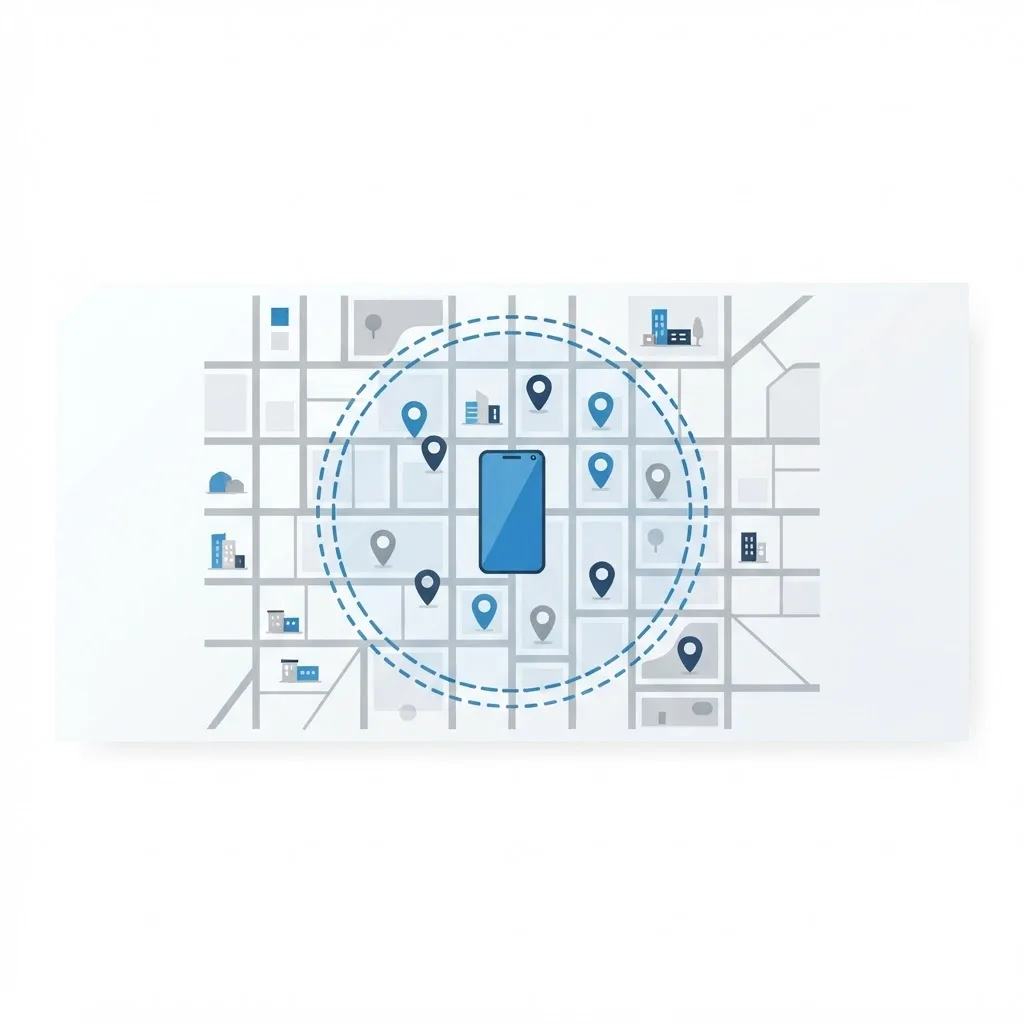
Geofencing draws a virtual boundary around a physical location and serves ads to mobile devices entering it. A competitor's parking lot, a convention centre, a stadium, or a shopping district can all become targetable zones.
SEO works differently. It earns visibility when someone actively searches, capturing demand that already exists. Geofencing creates awareness by proximity; SEO converts intent by relevance.
Used together, a business can reach someone standing near a competitor today and be the top result when that person searches for the service tomorrow.
Who Should Use This Combination?
Certain Wilmington business types benefit far more than others.
- Retail and restaurants competing along Market Street and downtown
- Medical, dental, and urgent care practices drawing from defined catchment areas
- Auto dealerships and service centres targeting competitor locations
- Hospitality and attractions capturing beach and tourist foot traffic
- Home services covering New Hanover, Brunswick, and Pender counties
Key Components of the Strategy
Precise Geofence Design
Effective fences are small and intentional. A tight boundary around a specific venue outperforms a broad radius covering half the city, because it isolates genuine intent rather than general presence.
Local SEO Foundations
Google Business Profile completeness, consistent citations, neighbourhood service pages, and review velocity determine whether you appear in the map pack — where the majority of local clicks go.
Landing Pages Built for Mobile
Geofenced traffic arrives on phones, often while walking or driving. Pages must load in under three seconds with immediate calls to action. That performance requirement is a development concern as much as a design one, which is why solid front-end web development materially affects campaign results.
Attribution and Foot Traffic Measurement
Conversion zones let you measure whether someone who saw an ad later visited your location. Without that setup, geofencing produces impressions and very little insight.
How to Implement Both Together
Build the organic base first so paid traffic has somewhere credible to land.
- Complete your Google Business Profile with accurate categories, hours, and photos.
- Create dedicated pages for each Wilmington area and service you offer.
- Fix mobile speed issues before spending anything on geofenced media.
- Identify five to ten specific physical locations worth fencing, with a clear rationale for each.
- Write ad creative that matches the context of that location and moment.
- Set conversion zones around your own premises to measure visit lift.
- Review weekly and cut fences that generate impressions without visits or calls.
Benefits of the Combined Approach
Each channel compensates for the other's weakness.
- Geofencing reaches people before they search; SEO captures them when they do
- Paid data reveals which locations and messages deserve organic content investment
- Lower waste than broad display advertising across the region
- Measurable foot traffic attribution for physical businesses
- Organic rankings continue producing after paid campaigns pause
Potential Challenges
Geofencing in particular is often oversold.
- Location data accuracy varies, especially indoors and in dense buildings
- Privacy settings and platform changes reduce addressable device pools
- Competitor conquesting can invite retaliation and bid inflation
- Attribution windows are debatable and easy to misinterpret optimistically
Best Practices and Tips
How to keep the programme efficient.
- Keep fences tight — larger zones almost always dilute performance
- Match creative to context; a beach-area ad should not read like a downtown one
- Run geofencing as a supplement to strong local SEO, never as a substitute
- Keep listings, hours, and site content accurate year-round with reliable maintenance and support, since tourist-facing errors are costly
Real-World Example
A Wilmington auto service centre wanted to grow beyond its immediate neighbourhood. It ran two parallel efforts: geofences around four competitor dealership service departments and a long-overdue local SEO rebuild with service-specific pages and a review request process.
The geofencing alone produced clicks but few bookings. Once the site was rebuilt for mobile speed and the Google Business Profile moved into the map pack for two core repair terms, the same geofenced audience began converting noticeably better — people who had seen the ad recognised the name when it appeared in search results. Combined booked appointments from digital sources roughly doubled over five months.
Why It Matters
Wilmington keeps attracting new residents and visitors who have no established preferences. Being visible both physically and in search during that formative period determines who they choose for years.
Neither channel alone accomplishes that. Awareness without search visibility is forgettable; search visibility without awareness means competing purely on listing position.
Frequently Asked Questions
Is geofencing legal in North Carolina?
Yes. It uses advertising identifiers rather than personal identity and operates within platform privacy frameworks. Healthcare and sensitive categories carry additional restrictions worth reviewing.
How much does geofencing cost?
Most local campaigns run between $1,000 and $5,000 monthly depending on zone count and population density. It is typically priced on impressions.
Which should I invest in first?
Local SEO. It compounds and costs less over time. Add geofencing once your listings, site speed, and conversion paths are solid.
Can I geofence competitor locations?
Generally yes, though some platforms restrict it and certain industries face limits. Expect competitors to respond in kind.
Conclusion
Geofencing and SEO solve different halves of the same local problem in Wilmington. Build organic visibility and a fast mobile experience first, then layer proximity advertising on top with tight zones and honest measurement.
Local businesses ready to coordinate both should start with their search foundation and expand into an integrated local digital marketing programme.
Enjoyed this article? Share it with others!