

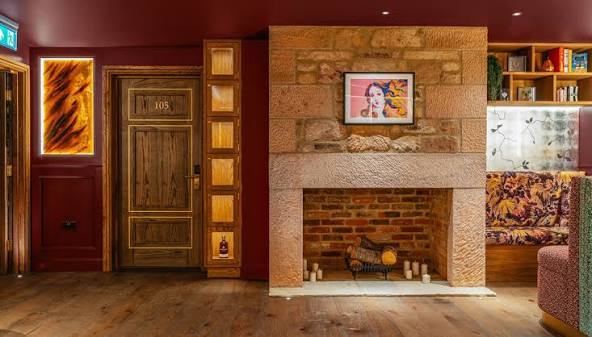
At times you may enter a property and immediately be drawn to one feature for example a non-rectangle door or beautifully grained wood. These individual features can influence the atmosphere of a room. Although many perceive doors to be generic items, people typically select a size and colour for their door and then press on to the next task. However, as well as dividing rooms, doors can also provide a property with unique features. With bespoke doors you can tailor both the size and the style to your specifications. Perhaps your doorway is not regular in shape or you wish to reflect the traditional nature of your property. Having a bespoke door means you can fine tune various aspects to achieve the ideal result for your house.
What Makes Bespoke Doors Unique?
Whilst standard doors are available in common shapes and sizes, they are not always the most appropriate solution for a property. Historic houses frequently have irregular doorways and contemporary properties can require a certain style to properly complement their interior. Therefore, off the shelf doors can occasionally fail to match a property and may even require further modification to resolve issues with the fit.
In contrast, bespoke doors can be personalised. As well as deciding on the dimensions, you can determine the style. Individuals may favour minimalistic and streamlined doors or may wish to incorporate elaborate patterns and/or wood grain. Both of these aspects can be adapted to reflect a person’s style and the nature of their house. Thus, bespoke doors can effectively cater for those wishing to personalise their property.
How Can Bespoke Doors Enhance Your Property?
As well as defining the style of a house, doors can act as subtle unifying elements. When a door complements the interior, a property tends to appear more thoughtfully designed. For instance, an oak door can add a cosy feel to a neutrally coloured room. Likewise, a dark door can prove a good fit for a contemporary property, especially if there are high levels of contrast within the interior.
Alongside the main door, secondary features such as handles and hinges can also influence the visual appeal of a property. Furthermore, the direction a door opens can influence the atmosphere of a room. Again, bespoke doors enable you to contemplate these considerations and then develop a door to match your specifications, rather than modifying a standard door to try and achieve this.
Which Materials Can Be Used For Bespoke Doors?
As well as influencing the visual style of a property, material has functional implications. Wood is a commonly selected option as it has a natural look and feel. Oak is favoured for its interesting grain and solid nature. Walnut is darker in colour and there are also lighter woods available.
Painted doors can also be produced and are favoured by those seeking a smooth, uniform appearance. Glass can be incorporated in doors so that additional natural light can be allowed into an area. Furthermore, glass doors can be utilised to link two living areas, whilst still maintaining a degree of separation. Timber and glass can also be combined to produce more innovative doors.
Before deciding on a material, think about where the door will be installed. For example, bathroom doors require functionality that differs to that of living room doors. Consider factors such as humidity and ease of cleaning. Again, the material selected should be appropriate for the area in which it is being placed.
Can Bespoke Doors Help To Create A Larger Feeling Within Smaller Areas?
Incorrectly designed doors can sometimes cause a small property to feel even more confined. Moreover, large and/or elaborate doors can often divert attention from the space available. Thoughtful design can therefore assist in producing a more light and open feeling.
Whereas conventional doors that swing open can require significant room to do so, sliding doors are an alternative solution. These slide along a rail and so require less room. Glass can again be effective in allowing natural light to pass between areas. Particularly in slim hallways and/or smaller living areas, this can be highly beneficial.
Furthermore, the colour of a door can play an important role. If the door is similar in colour to the walls then it can merge into the surroundings and produce a more relaxing effect. Alternatively, if you wish the door to be a focal point, you may wish to opt for a contrasting colour scheme. Again, there is no definitive solution and the optimal decision is influenced by both the structure of a property and the desired aesthetic.
Why Are Bespoke Doors Appropriate For Historic Houses?
Compared to more modern houses, historic properties frequently contain distinctive characteristics. These can include high ceilings and/or non-standard doorways. Original wooden door frames can also be present. Locating a suitable standard door for such properties can prove challenging.
Bespoke doors can overcome this issue. As previously mentioned, they can be fashioned to precisely fit a doorway. In addition, they can be personalised to compliment the historic nature of a house. Traditional properties may benefit from a door with panelled sections and/or a classic wood style. Alternatively, a more subtly modern design can be implemented to refresh a property, yet still retain its historic appeal.
It is also advisable to assess the current state of a property’s door frame. An appropriate doorway must be in place and precise measurements obtained prior to a bespoke door being created. Undertaking this procedure can then avoid future fitting complications.
How Can Bespoke Doors Display Individuality?
Whilst furnishings and wall colours convey aspects of a person’s style, doors can similarly be used for this purpose. People do not necessarily need to adopt the same door design as those of other properties.
Whilst some favour bright colours and distinctive handles, others are attracted to the natural look of wood and streamlined designs. Moreover, different door styles can be implemented within various areas of a property, so long as there is consistency in terms of the finish.
With bespoke doors, individuals are able to explore and then determine the style they wish to implement. An appropriate door for a bedroom, for example, may require a more subdued and tranquil appearance. Conversely, a home office may profit from a door with a more striking design. Such minor considerations contribute towards defining the distinctiveness of different rooms.
Are Bespoke Doors Functional?
Although doors should ideally be visually appealing, they also need to be functional. Doors can suffer added strain on their handles and hinges as a result of children and/or pets interacting with them. Consequently, alongside visual attributes, functionality should be considered.
Consider both the frequency of door usage and who will be using it. For example, a kitchen door may require a robust and easily cleaned finish given that the area is likely to be highly active. Bedrooms should have well functioning doors and sufficient privacy. Furthermore, if there is a member of your household with restricted mobility, you may wish to investigate whether widening doorways and/or employing easier to hold handles would be beneficial.
Good planning can ensure that, despite a door’s initial visual appeal, it remains functional in the longer term. Prior to finalising an order, talk to the manufacturer about your functional requirements.
What Information Should You Have Regarding The Cost Of Bespoke Doors?
Generally, bespoke doors are pricier than standard ones. Factors such as the material and intricacy of the design will also impact on the cost. Typically, more labour intensive bespoke doors (for example those with specialised glass and/or hardware) will be at a higher cost than simpler wooden doors.
Installation can also influence the price. Occasionally, doorways require alteration to ensure that a new door can be fitted. Therefore, it is advisable to request a quotation for both the creation and fitting of a bespoke door.
Avoid basing price decisions purely on cost. Less expensive doors may be crafted from alternative materials and/or may lack as many personalisation opportunities. Obtain information about what is included within the cost and whether a warranty is offered by the manufacturer. This will provide you with greater clarity regarding value for money.
Why Is Correct Installation Important?
Despite being well constructed, a door can let a homeowner down if it is not fitted correctly. Improper fitting can result in doors scraping across the ground and/or causing issues with the operation of the latch. There can also be problems with privacy and comfort due to unsuitable gaps around the door frame.
Professionals examine a property’s doorway and ensure that a door is correctly fitted. They also analyse hinges and handles. Should a door frame require modification, this can be discussed with the installer prior to fitting. As bespoke doors are frequently dissimilar in size and style to standard doors, skilled installation is essential. Ideally, the installation should produce a neat finish and the door should operate easily.
How Can Bespoke Doors Be Effectively Maintained?
Appropriate maintenance can significantly contribute towards ensuring that doors remain in good condition for many years. The type of upkeep required is contingent upon the material and/or finish of the door. Timber doors may require periodic treatment. Usually, painted doors simply need mild cleansing to avoid staining.
Periodically review hinges. If they become loose or noisy, they may require modification. Handles and latches should also be periodically examined. Unless specified by the manufacturer, it is best to avoid utilising strongly scented or abrasive cleaners.
For glass doors, a soft cloth together with suitable glass cleaning fluid will usually suffice. Strive to wipe up any liquid in a timely manner to minimise the risk of staining. Overall, the aforementioned maintenance is relatively straightforward to implement and can effectively prolong the life of doors.
Commonly Asked Questions
Can I specify the size of my bespoke door?
Yes. Custom doors can be produced to fit particular dimensions. This can be advantageous for both historic and/or properties with non-standard doorways as standard sizes may not always prove a good fit.
Are bespoke doors more costly than standard doors?
Indeed, as bespoke doors are specially made to a customer’s specifications. Again, the material and design will also influence the price.
How long does it take to produce a bespoke door?
This is dependent on both the manufacturer and the intricacy of the door. Obtain an approximate timescale for both production and installation prior to ordering.
Can bespoke doors include glass?
Yes. You can discuss with the manufacturer the type and arrangement of glass that would be most appropriate. Products such as frosted and/or patterned glass can be effectively used to allow natural light into a property, yet still maintain a reasonable level of privacy.
Are bespoke doors appropriate for both contemporary and historic properties?
Certainly. You can select a door that is in line with the architectural style of your property. Minimalist designs are well suited to contemporary properties. Conversely, ornate wood doors can successfully harmonise with historic houses.
Conclusion
Although seemingly a modest aspect of property renovation, altering a house’s doors can in fact yield highly effective outcomes. Appropriately styled doors can effectively unite a property and imbue it with a more personal touch. Bespoke doors are favourable as they enable someone to define the size, material and style of their doors. They can thus effectively address situations in which neither standard sizes nor designs are suitable. Prior to ordering, reflect on how a door will function within a particular room. Alongside assessing the area, consideration should also be given to the material and its maintenance requirements. Consult an expert manufacturer and ensure that fitting is competently executed. Aside from being aesthetically pleasing, a door should ideally also be functionally suitable.
Enjoyed this article? Share it with others!