
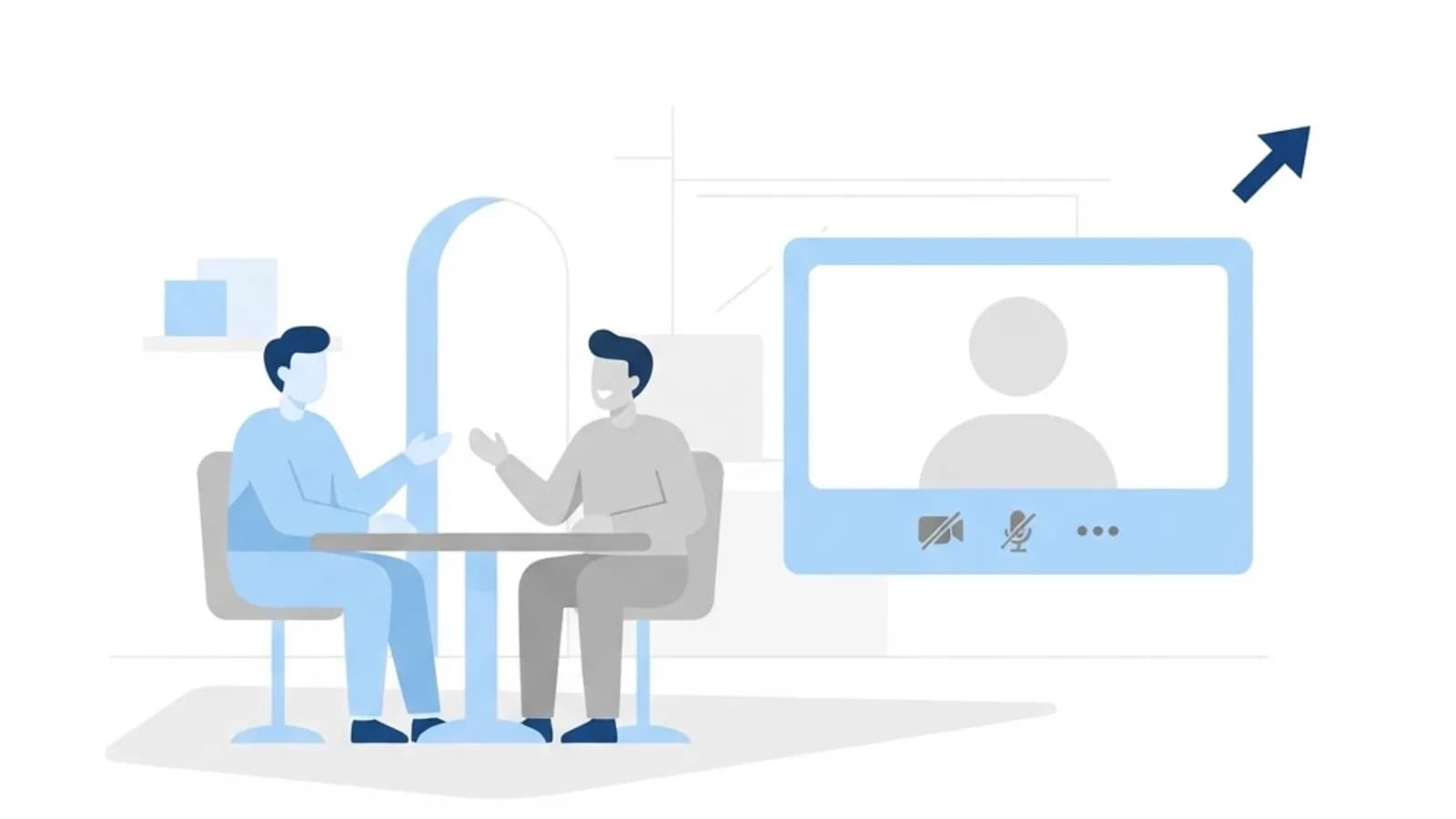
Coaching is one of the most crowded categories online. Everyone has a framework, a signature method, and a promise of transformation. Which means digital marketing for coaches is rarely about visibility alone. It is about being specific enough that the right person recognises themselves in what you say.
Most coaches start with referrals, which work beautifully until they do not. Referrals are unpredictable, hard to scale, and tend to bring whoever happens to ask rather than the clients you most want.
This guide covers how to build a system that produces consistent enquiries from people you can genuinely help.
What Is It?
It is the combination of positioning, content, and conversion infrastructure that turns strangers into discovery calls. For most independent coaches that means a clear niche, a body of useful content, an email list, and a simple booking path.
Specificity is the strategy. A coach who helps first-time engineering managers handle performance conversations will outsell a general leadership coach almost every time, because the prospect immediately knows the offer is for them.
Who Needs It?
Practitioners across the coaching spectrum face the same core challenge.
- Executive and leadership coaches selling to organisations and individuals
- Business and startup coaches working with founders
- Career, life, and transition coaches
- Health, fitness, and wellness coaches with programme-based offers
- Niche specialists such as ADHD, relocation, or public speaking coaches
Key Building Blocks
A Sharp Positioning Statement
Before any channel work, you need a sentence that names who you help, what changes, and how. Everything else amplifies that sentence, so vagueness here makes all downstream marketing weaker.
Content That Demonstrates Method
Prospects need evidence you can think, not just claims that you care. Publishing genuine frameworks, case breakdowns, and opinions attracts people who already agree with your approach. Many coaches lean on professional content writing support to keep that output consistent.
An Email List You Actually Use
Social platforms rent you an audience. Email is the only asset you own, and for a high-consideration purchase like coaching, a nurture sequence does most of the selling.
A Frictionless Booking Path
Discovery calls should be one click away from any piece of content. Every extra form field costs conversions.
How to Build It
A workable sequence for a solo coach with limited time.
- Define one specific audience and one specific outcome.
- Rewrite your website homepage to speak only to that person.
- Choose one content channel you will genuinely sustain weekly.
- Create one substantial lead magnet that solves a real, narrow problem.
- Set up a five-email nurture sequence that ends with an invitation to talk.
- Add calendar booking directly to your site with clear expectations.
- Review enquiry quality monthly and tighten the positioning further.
Benefits
A working system changes the nature of the business, not just the lead count.
- Predictable enquiry flow that supports confident pricing
- Better-fit clients, which improves results and testimonials
- Less time spent on unqualified discovery calls
- Authority that supports group programmes and higher-value offers
- Independence from any single referral source or platform
Potential Challenges
The obstacles are usually psychological before they are technical.
- Reluctance to niche down for fear of losing potential clients
- Inconsistent publishing when client work gets busy
- Discomfort with self-promotion, particularly among newer coaches
- A saturated market where generic messaging disappears completely
Best Practices and Tips
Approaches that consistently outperform the standard coaching playbook.
- Publish specific opinions rather than universally agreeable advice
- Use real client outcomes with permission, including the messy parts
- Batch content creation monthly so busy weeks do not break the rhythm
- Repurpose one substantial idea across several formats rather than inventing new ones
- Invest in a professional site; considered website design signals that you take your practice seriously
Real-World Example
A leadership coach with twelve years of corporate experience was generating occasional referrals and little else. Her website described transformational leadership journeys, which said nothing concrete.
She narrowed her positioning to newly promoted managers in technical teams, a group she had genuinely worked with most. She wrote a short guide on running a first difficult performance conversation, published fortnightly essays on the specific failure modes she saw repeatedly, and added a booking link to every page. The change was not dramatic overnight, but within seven months she had a waiting list and had raised her rates twice. The content had done the qualifying before anyone reached a call.
Why It Matters
Coaching is sold on trust and demonstrated thinking. Unlike a product, prospects cannot try it cheaply, so they substitute your published work as evidence of what working with you will be like.
That makes content marketing unusually well suited to the profession. A coach who publishes consistently for two years builds an asset that keeps producing enquiries long after each piece is written.
Frequently Asked Questions
Do I need paid advertising as a coach?
Not initially. Most independent coaches fill their capacity through content, referrals, and email before advertising makes sense. Paid works best once you know your conversion rate and offer economics.
Which platform should I focus on?
Whichever one your specific audience already uses professionally, and only one to begin with. Consistency on a single channel beats sporadic presence on four.
How narrow should my niche be?
Narrow enough that your ideal client could describe your offer in a sentence. You can always broaden later; almost nobody regrets starting too specific.
Should I offer free discovery calls?
Yes, but qualify beforehand with a short application form. Free calls without qualification consume the hours you need for paid work.
Conclusion
Digital marketing for coaches works when positioning is sharp and publishing is consistent. Everything else, from funnels to advertising, amplifies whatever those two things already are.
Pick your person, write for them relentlessly, and make booking a conversation effortless. If your current site does not reflect the quality of your practice, a considered brand and design refresh is a worthwhile investment before you scale traffic to it.
Enjoyed this article? Share it with others!