
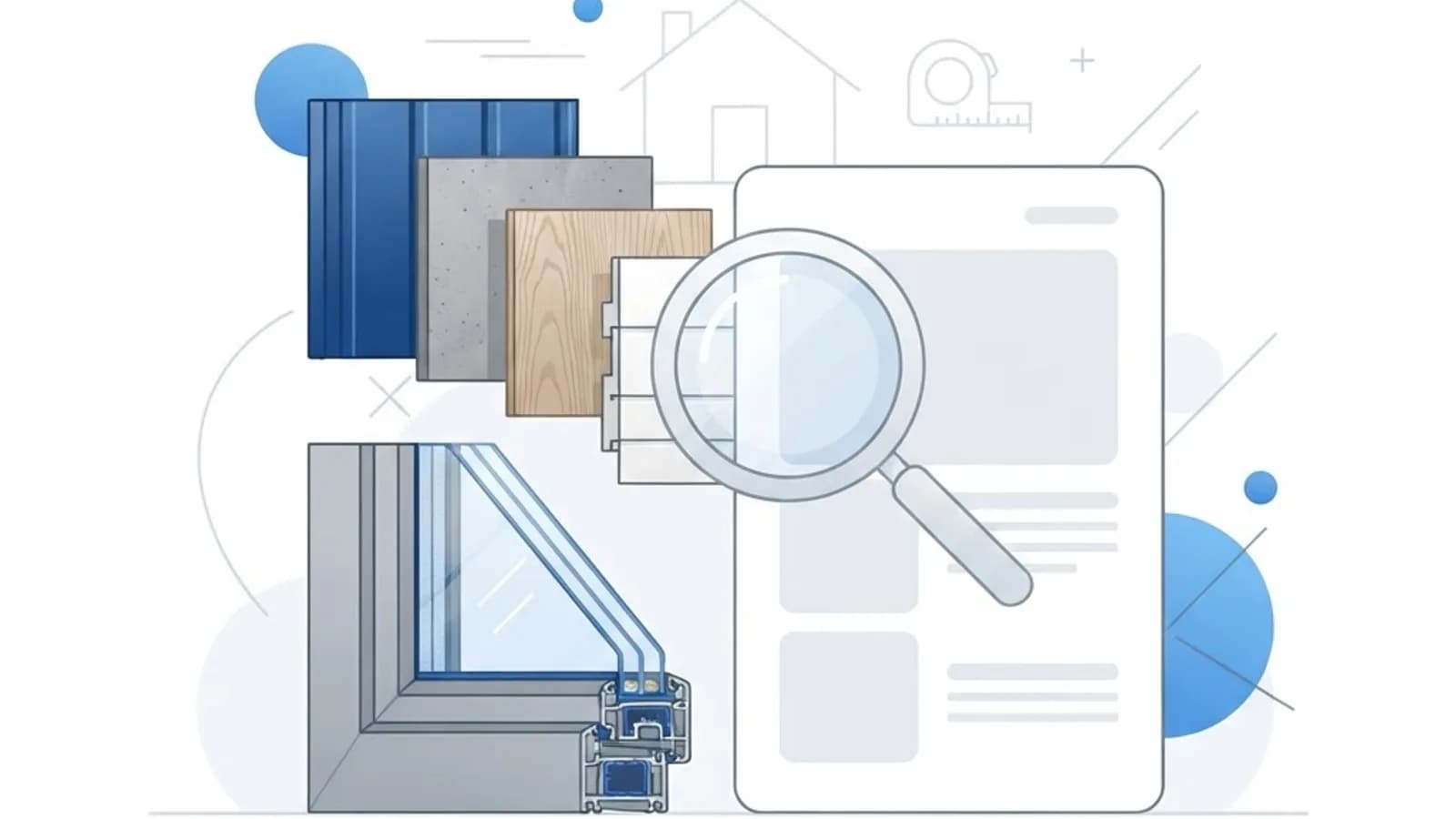
Selling architectural products is not like selling anything else. Your buyer is rarely the person who pays. An architect specifies, a contractor sources, an owner approves, and any one of them can substitute your product out of the project at the last minute.
Effective digital marketing for architectural products is therefore about getting specified early and staying specified through value engineering. That requires a very particular toolkit.
Here is how manufacturers of windows, cladding, flooring, hardware, acoustic systems, and similar products build digital programs that actually influence specifications.
What Is Digital Marketing for Architectural Products?
It is the discipline of making your building product easy to discover, evaluate, and specify online by design professionals. The audience is architects, interior designers, specifiers, and increasingly contractors doing early sourcing.
Unlike consumer marketing, the goal is rarely a direct sale. The conversion event is a downloaded spec sheet, a requested sample, or a BIM object placed into a model. Once your component sits inside a Revit file, you have a structural advantage over competitors.
Content must be technical and complete. Missing fire ratings, incomplete finish schedules, or absent CAD files send a specifier straight to a competitor who published theirs.
Who Uses This Approach?
Any manufacturer whose product ends up in a construction document.
- Window, door, and glazing system manufacturers
- Facade, cladding, and roofing product suppliers
- Flooring, tile, and surface material brands
- Acoustic, lighting, and HVAC component makers
- Architectural hardware and specialty fabrication firms
Key Features of a Specification-Driven Program
Complete Technical Documentation Online
Every product page should carry performance data, test reports, warranty terms, installation details, CAD blocks, and BIM objects. Gating these behind a form reduces leads more often than it generates them.
Visual Product Systems
Designers select with their eyes first. High-resolution finish libraries, configurators, and rendered application examples matter enormously. A well-structured product catalog built through modern React JS web development can handle filtering across hundreds of SKUs without frustrating the user.
Search Visibility for Specification Language
Architects search using technical vocabulary — assembly names, standards numbers, performance thresholds. Content optimized for how professionals actually phrase queries outranks glossy brochure copy every time.
Continuing Education Content
AIA-style educational material positions your team as a technical resource rather than a vendor. It also creates a legitimate reason to stay in contact with a firm between projects.
How to Get Started
The sequence matters because technical completeness underpins everything else.
- Audit your product pages for missing technical documents and fill every gap.
- Publish BIM and CAD files in the formats your specifiers actually use.
- Restructure your catalog so products can be filtered by performance criteria, not just name.
- Create detail drawings and installation guides as downloadable, indexable pages.
- Build case studies showing the product in completed projects with named conditions.
- Run targeted campaigns to design firms in the regions where you have distribution.
- Track sample requests and file downloads as your primary pipeline metric.
Benefits of Getting This Right
Specification-focused marketing produces durable commercial advantages.
- Earlier involvement in projects, before pricing pressure begins
- Higher resistance to substitution during value engineering
- Reduced burden on technical sales reps answering repetitive questions
- Visibility into which firms and regions are actively evaluating you
- Stronger distributor relationships driven by inbound demand
Potential Challenges
Several friction points are common in this sector.
- Legacy websites that cannot handle large technical document libraries
- Product data scattered across PDFs, spreadsheets, and sales team laptops
- Long project timelines that make attribution difficult
- Internal resistance to publishing detailed specifications openly
Best Practices and Tips
Small decisions have outsized effects on specification rates.
- Do not gate BIM files — friction here directly costs specifications
- Name and organize downloads clearly so a specifier finds the right file in seconds
- Keep a single source of truth for product data to avoid contradictory documents
- Present complex performance comparisons visually rather than in dense tables alone
Real-World Example
An acoustic ceiling panel manufacturer competed against two much larger brands. Its products performed well but rarely appeared in specifications. An audit revealed why: the website offered brochures but no Revit families, and sound absorption data was buried inside a twelve-page PDF.
The company rebuilt its product section around filterable performance criteria, published full BIM objects for every system, and created twenty short detail pages covering common assembly conditions. Within a year, download volume from architecture firms increased sharply, and sales reps reported entering projects at design development rather than at bid — a stage where price is far less negotiable.
Why It Matters
Construction documentation is now almost entirely digital. If your product does not exist in a searchable, modelable, downloadable form, it effectively does not exist to a specifier working under deadline.
The manufacturers investing in complete digital product data are quietly capturing specifications from competitors who still rely on rep visits and printed binders.
Frequently Asked Questions
Should we gate technical downloads to capture leads?
Generally no. Specifiers under deadline abandon forms. Track downloads anonymously and capture contact information through samples, consultations, and education instead.
Are BIM objects really necessary?
For commercial projects, yes. Once a product is modeled, replacing it costs the design team time — which is exactly the friction you want working in your favor.
How do we measure success with such long project cycles?
Use leading indicators: BIM downloads, sample requests, spec-writing tool activity, and firm-level engagement. Tie them to closed projects retroactively as data accumulates.
Does social media matter for building products?
Visual platforms help with designer awareness and finished-project showcases, but they support rather than drive the specification process.
Conclusion
Digital marketing for architectural products succeeds when it removes every obstacle between a specifier and a decision. Complete data, accessible files, and clear visuals beat marketing polish in this category.
If your catalog is trapped in PDFs, modernizing the platform is the highest-leverage move available. A purpose-built web application for product data can turn your technical library into your best salesperson.
Enjoyed this article? Share it with others!