
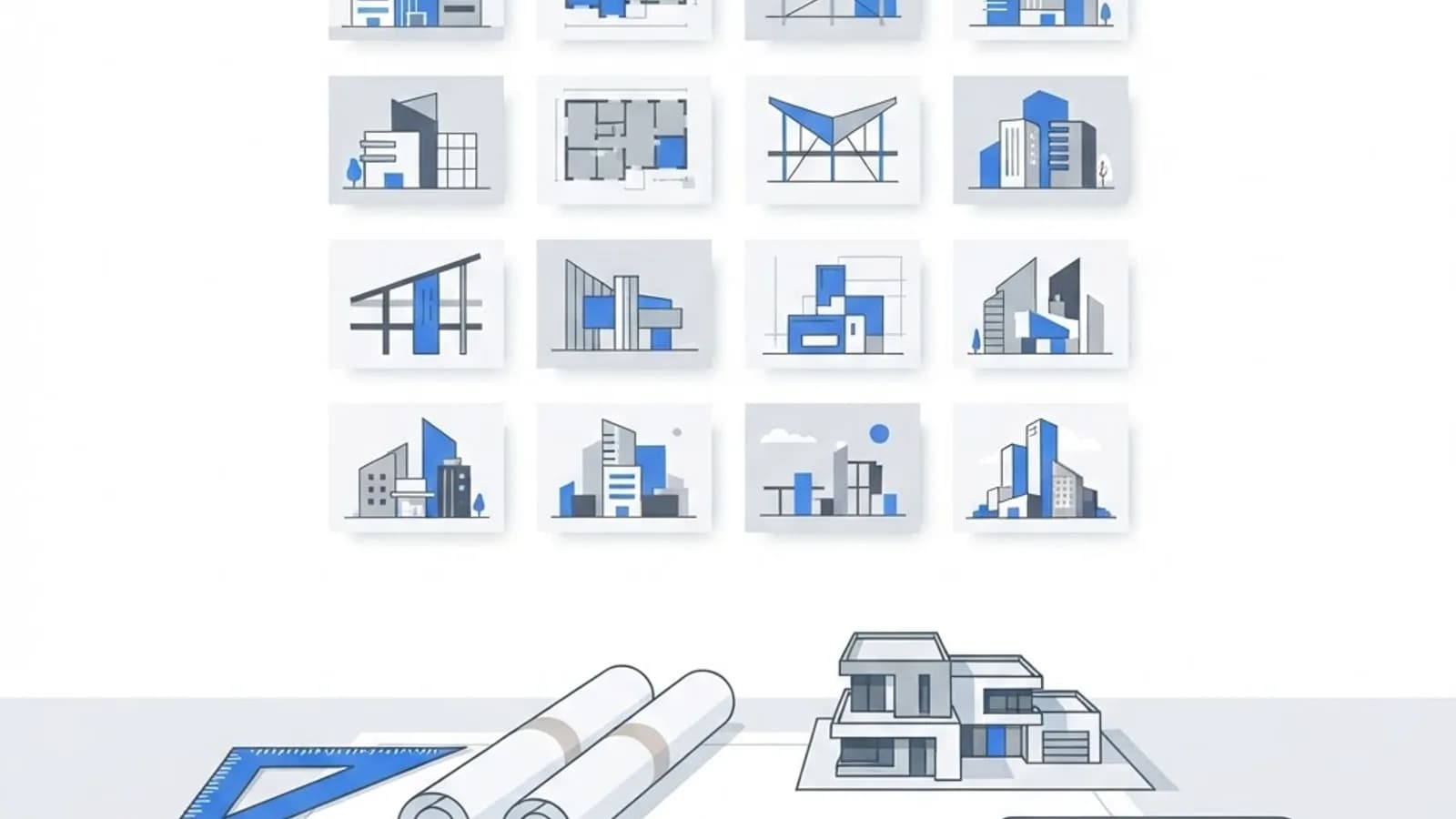
Architecture practices have traditionally grown through referral and reputation, and that still works. But digital marketing for architecture firms has become the difference between being considered for a commission and never appearing on a client's shortlist at all.
Clients now research practices the same way they research everything else. They look at published projects, read about your process, check whether your aesthetic matches their ambition, and form a view before making contact.
This guide covers how practices can present their work effectively online, attract the kinds of projects they want, and build visibility without compromising the design-led identity that defines them.
What Is Architecture Firm Digital Marketing?
It is the presentation of a practice's work, thinking and expertise online in a way that attracts suitable clients and supports selection during a commissioning process.
It differs from most professional services marketing in one important respect. The portfolio is the product, and image quality carries more persuasive weight than words. A weak website undermines a strong practice more visibly here than in almost any other sector.
The core components are a portfolio-led website, project-level search visibility, publication and awards strategy, and a clear articulation of process and values.
Who Needs It?
Practices at almost every scale benefit, though objectives differ considerably.
- Small residential practices seeking higher-value private clients
- Mid-sized firms competing for commercial and institutional commissions
- Specialist practices in heritage, sustainability or healthcare architecture
- New studios establishing credibility without a long project history
- Established firms whose founding partners' referral networks are retiring
Key Features of an Effective Approach
A Portfolio Site That Respects the Work
Large, fast-loading photography, generous white space and restrained navigation. Architectural imagery is heavy, so performance engineering matters as much as layout; a carefully built site using React JS development can deliver full-bleed galleries that still load quickly on mobile.
Project Pages Written for Search and Clients
Each project deserves its own page describing brief, site constraints, materials, sustainability approach and outcome. This serves potential clients and simultaneously creates ranking opportunities for typologies and locations.
Process Transparency
Private clients in particular are anxious about cost, timeline and how much involvement is expected of them. A clear explanation of your stages, fees basis and communication approach converts far better than aesthetics alone.
Publication, Awards and Third-Party Credibility
Coverage in architectural publications, award entries and speaking engagements generate authoritative links and social proof that directly support search visibility and client confidence.
How to Get Started
A practical programme for a practice with limited marketing time.
- Audit your site on a phone and note load times for your heaviest project gallery.
- Select your eight strongest projects and ensure each has professional photography.
- Write a full project page for each, covering brief, constraints, materials and outcome.
- Publish a clear page explaining your process, typical fee structure and client involvement.
- Add typology and location language naturally so relevant searches can find you.
- Build a simple enquiry form that qualifies budget range and project stage politely.
- Plan an annual calendar of award entries and publication submissions.
Benefits
Strong digital presence changes not only how many enquiries arrive but what kind.
- Better-matched enquiries from clients who already admire your aesthetic approach
- Reduced reliance on partner referral networks as they mature or retire
- Higher-value commissions, since well-presented work supports premium positioning
- Stronger recruitment, as architects research practices before applying
- Improved competition submissions, with a credible digital presence supporting bids
Potential Challenges
Architecture presents specific marketing difficulties.
- Professional photography is expensive and often delayed until well after completion
- Client confidentiality can restrict what may be published, particularly in private residential work
- Fee-paying project cycles are long, making short-term measurement unreliable
- Practices are often reluctant to discuss cost publicly, which frustrates prospective clients
Best Practices and Tips
Approaches that consistently serve practices well.
- Budget for photography as part of every project, not as an optional extra afterwards
- Include indicative budget ranges or minimum project sizes to filter enquiries kindly
- Show process drawings and models, which demonstrate thinking as well as results
- Keep the writing precise and free of abstraction, since clients read it more literally than architects expect
Real-World Example
A six-person residential practice known locally for sensitive extensions had a website showing four projects with small images and no descriptive text. Enquiries came almost entirely through past clients, and many were below their viable project size.
They photographed eight completed projects properly, wrote detailed project narratives including planning constraints and material choices, published a page explaining their fee structure, and added a short enquiry form asking about budget range. Supporting visual materials were refreshed through consistent graphic design work. Within a year, enquiries had roughly doubled, and the average project value rose substantially because unsuitable enquiries filtered themselves out before contact.
Why It Matters
Commissioning an architect is an unusually high-trust decision. Clients are committing significant money to an outcome they cannot see in advance, guided by someone they must work with closely for a year or more.
Everything a practice publishes online contributes to that trust judgement. Digital marketing for architecture firms is therefore less about promotion and more about giving prospective clients enough evidence to feel confident choosing you.
Frequently Asked Questions
Should architecture practices use social media?
Instagram remains genuinely valuable in this sector because the work is visual and the audience includes clients, collaborators and potential employees. Treat it as a portfolio extension rather than a conversation channel.
How important is SEO for architects?
More important than most practices assume. Searches combining typology and location, such as conservation area extension architect, carry very high intent and are rarely competitive.
Should we publish fees?
Publishing exact fees is uncommon, but stating a minimum project value or typical percentage basis saves everyone time and signals confidence. Vagueness tends to attract unsuitable enquiries.
What if our projects are confidential?
Publish what you can: process, approach, typology experience and anonymised descriptions. A well-designed private client portal can also let you share restricted portfolio material selectively with serious prospects.
Conclusion
Digital marketing for architecture firms succeeds when the website carries the same care as the buildings. Photograph properly, write clearly about process, and make it easy for the right client to recognise themselves in your work.
If your portfolio loads slowly or your projects lack narrative, start there. A portfolio site designed for architecture is the most persuasive business development tool a practice can own.
Enjoyed this article? Share it with others!