
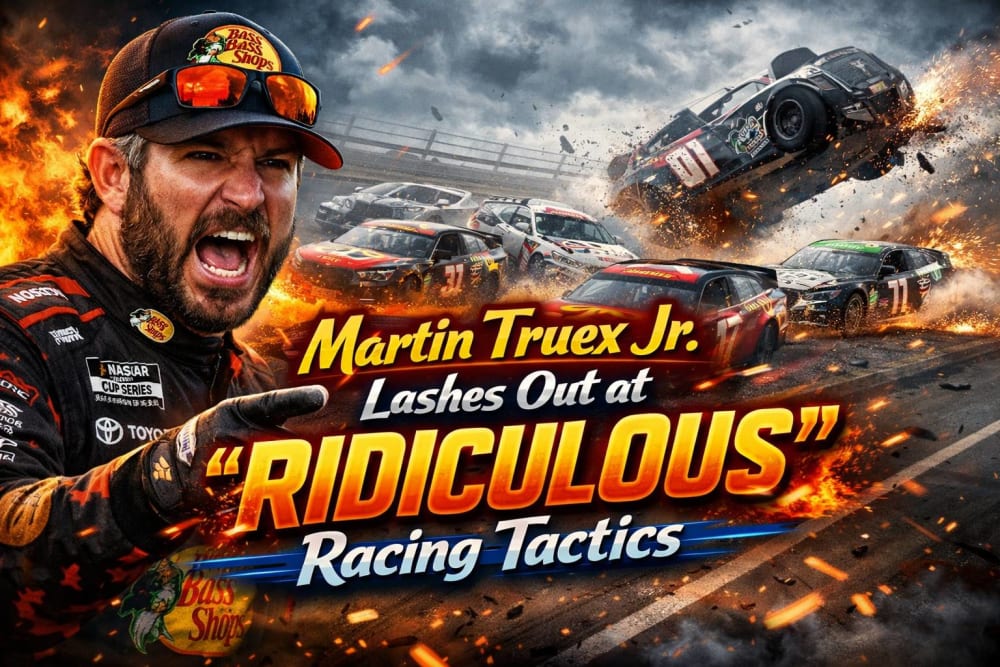
Martin Truex Jr., a prominent NASCAR Cup Series driver, recently made headlines after openly criticizing aggressive driving tactics during a high-stakes race at Watkins Glen International. Known for his strategic racing style and focus on precision, Truex expressed frustration over what he called “ridiculous” maneuvers by fellow competitors. These tactics, which included overly aggressive restarts and risky on-track moves, not only threatened his position but also raised concerns about driver safety and sportsmanship in professional racing. His candid remarks shed light on the ongoing debates within NASCAR regarding the balance between competitive intensity and responsible driving.
The incident highlights the challenges drivers face when navigating the high-speed, high-pressure environment of modern NASCAR events. With split-second decisions and constant interaction with other cars on the track, maintaining both performance and safety is crucial. Truex’s comments resonated with fans and analysts alike, emphasizing that racing excellence relies not just on speed but on skill, strategy, and respect for fellow competitors. This discussion serves as a reminder of the importance of fair play and driver accountability, sparking broader conversations about racing etiquette and the standards that keep the sport both thrilling and safe.
What Happened at Watkins Glen
The controversy unfolded during a particularly tense segment of the race. As drivers approached the final laps, aggressive maneuvers became more frequent, especially during restarts. Truex observed moves from fellow competitors that he felt were unnecessary and dangerous. According to him, some drivers were pushing the limits of fair play, putting both themselves and others at risk to gain a competitive edge.
Watkins Glen International is renowned for its complex turns and high-speed sections, especially the “esses,” where precision is crucial. The combination of high stakes, speed, and tight corners often creates situations ripe for conflict. In this environment, even minor miscalculations can have major consequences, which is why Truex’s comments resonated with many who understand the intricacies of road-course racing.
Truex’s Reaction and Comments
After the race, Truex spoke candidly about the events that frustrated him. He stated, “It’s one thing to race hard, but it’s another thing to plow through people and put them in dangerous situations just to gain a spot. That’s ridiculous.” His remarks highlight a broader debate in NASCAR regarding the balance between aggressive driving and maintaining sportsmanship and safety on the track.
Truex has previously voiced concerns about similar incidents in other races, particularly when aggressive driving threatens the safety of competitors or the integrity of the race. His stance underscores his commitment not only to winning but also to fair and safe competition.
The Context of NASCAR Racing Tactics
Aggressive racing tactics are not new in NASCAR. Drivers often engage in bold maneuvers to gain position, and restarts frequently serve as flashpoints for conflict. However, there is a line between assertive racing and actions that could endanger others. Truex’s criticism brings attention to this ongoing challenge and encourages both drivers and officials to consider how such tactics impact safety and fairness.
The debate is particularly relevant on road courses like Watkins Glen, where narrow turns and varying elevations demand high skill levels. In these conditions, the margin for error is minimal, and aggressive driving can quickly escalate into incidents that affect multiple competitors.
Reactions from Fans and Experts
The racing community reacted strongly to Truex’s comments. Fans on social media echoed his frustration, noting that aggressive tactics can sometimes overshadow skillful driving. Analysts and former drivers weighed in, suggesting that while competitive driving is expected, maintaining respect and safety should remain paramount.
NASCAR officials monitor these situations closely, reviewing incidents to determine whether penalties or rule clarifications are necessary. This oversight ensures that the sport maintains its competitive edge while prioritizing the safety of all participants.
Implications for the Season
Truex’s criticism comes at a crucial point in the NASCAR season. Drivers are competing not only for individual race victories but also for championship points that influence playoff positioning. Aggressive tactics can have long-term consequences, affecting standings and the overall dynamics of the competition.
For Truex, this incident serves as both a warning and a statement. By speaking out, he emphasizes the importance of maintaining racing integrity and sets an example for younger drivers entering the sport. His stance also sparks discussions about potential rule adjustments or additional guidance from NASCAR to manage aggressive behaviors more effectively.
Conclusion
Martin Truex Jr.’s reaction to the aggressive racing tactics at Watkins Glen International highlights the delicate balance between competitive drive and safety in NASCAR. His criticism emphasizes that while high-stakes racing demands assertive moves, there is a responsibility among drivers to maintain fair play and avoid unnecessary risks. By speaking out, Truex not only shared his perspective on this particular race but also brought attention to broader issues regarding race etiquette and driver safety, which remain central to the sport’s integrity.
The incident also serves as a reminder for fans, drivers, and officials about the importance of maintaining respect on the track. Aggressive maneuvers can influence the outcome of races, championship points, and the overall dynamics of the season. Understanding the implications of these actions helps audiences appreciate the challenges drivers face while providing insights into NASCAR’s ongoing efforts to balance excitement with safety.
FAQs
1. What happened when Martin Truex Jr. Lashes Out at ‘Ridiculous’ Racing Tactics?
Martin Truex Jr. publicly criticized aggressive driving maneuvers by other competitors during a tense NASCAR race at Watkins Glen. He called certain tactics “ridiculous,” emphasizing that racing should test skill and strategy rather than rely on unsafe moves. His remarks highlighted concerns about driver safety, racing etiquette, and fair competition.
2. Why did Martin Truex Jr. criticize other drivers?
Truex was frustrated with aggressive on-track maneuvers that he felt were unsafe or unsportsmanlike. These included late-race restarts, blocking, and moves that risked collisions. His criticism reflects a broader concern about maintaining professionalism and safety in NASCAR.
3. How did other drivers react to Truex’s comments?
Reactions among drivers were mixed. Some supported his stance on racing etiquette, while others emphasized that aggressive tactics are part of high-level competition. Analysts noted that his comments could spark discussions about clearer rules and enforcement.
4. Has Martin Truex Jr. made similar statements before?
Yes, Truex has previously spoken out against dangerous driving tactics in other races. He consistently advocates for balancing competitive intensity with safety and fair play on the track.
5. What can fans learn from this incident?
Fans can gain insight into the pressures and complexities of professional racing. Truex’s statements highlight how driver skill, strategy, and respect for others are crucial, and they encourage discussions about sportsmanship and safety in motorsports.
Enjoyed this article? Share it with others!