
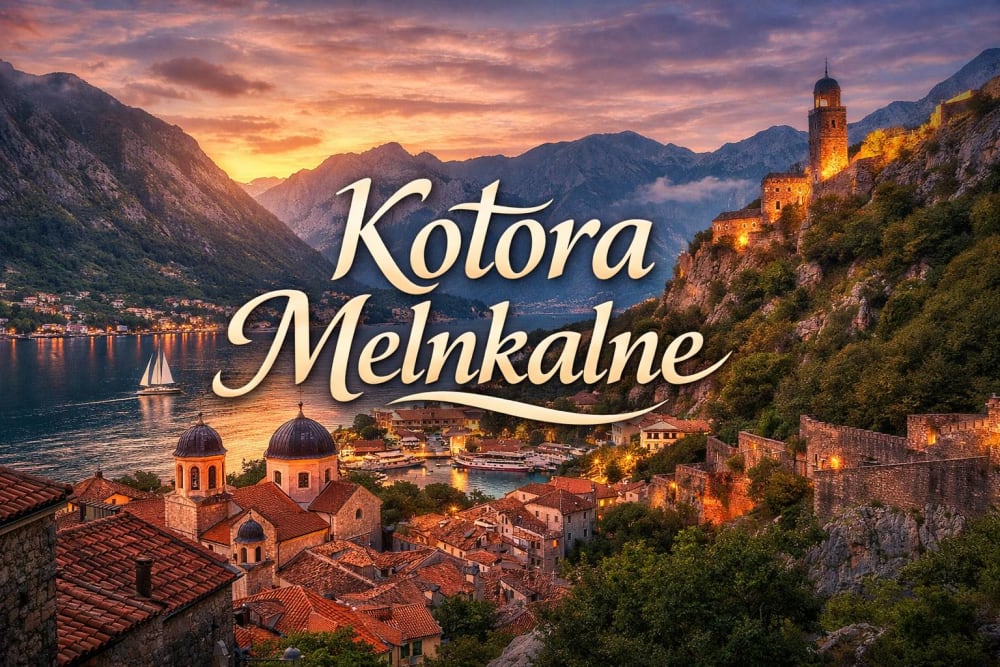
Kotora Melnkalne refers to a striking coastal town framed by dramatic mountains and a rich historical landscape. It is often celebrated for its scenic views, medieval architecture, and serene atmosphere. Visitors are drawn to the combination of natural beauty and preserved urban spaces, offering both cultural insight and outdoor exploration opportunities. While the name evokes poetic imagery, it directly points to the town of Kotor in Montenegro, known for its fortifications and scenic bay.
The town’s allure comes not only from its physical attributes but also from its integration of history, culture, and environment. Narrow cobblestone streets lead to centuries-old squares and churches, while surrounding hills provide panoramic vistas of the Adriatic coast. Understanding Kotora Melnkalne involves exploring its geography, heritage, and contemporary experiences, making it a destination with layered significance for travelers and culture enthusiasts alike.
1. What is Kotora Melnkalne and why is it notable
Kotora Melnkalne is a town recognized for its unique combination of natural and built environments. Its notability comes from the way its historical architecture sits seamlessly within a dramatic coastal and mountainous landscape. The fortified walls, ancient streets, and preserved squares create an immersive sense of history, making it a distinctive destination in the region.
The town is also notable for the harmony between its old structures and the surrounding natural scenery. Its bay offers calm waters, while the mountains provide hiking opportunities and viewpoints that capture both sunrise and sunset panoramas. This blend of cultural and natural elements contributes to a rich experience that draws scholars, travelers, and photographers, establishing its importance beyond mere tourism.
2. Where is it located and what are the key features
Kotora Melnkalne is situated along the Adriatic coast in Montenegro, nestled between steep mountains and a deep bay. Its strategic location has historically provided both protection and access to maritime trade routes, influencing its architectural and urban development. The town’s positioning enhances its visual appeal, combining water reflections with rugged hillsides.
Key features include fortified walls that encircle the old town, medieval gates, and historic churches. Visitors can explore narrow alleys that reveal traditional stone houses and local markets. The surrounding landscape includes hiking paths leading to vantage points that offer wide views of the bay and the Adriatic, making it a location where geography and history intersect seamlessly.
3. Historical and cultural significance
The historical importance of Kotora Melnkalne lies in its preservation of medieval and Renaissance architecture. Over centuries, the town has witnessed diverse influences, from maritime republics to regional kingdoms. Its fortifications, squares, and religious buildings reflect a blend of artistic and functional design, telling the story of its strategic and economic role.
Culturally, the town maintains local traditions through festivals, cuisine, and artisanal crafts. Its old town serves as a living museum, allowing visitors to experience daily life as it evolved over generations. Understanding these elements helps contextualize the town’s significance, showing how geography, trade, and community practices shaped a distinctive heritage.
4. How to experience Kotora Melnkalne today
Experiencing Kotora Melnkalne today involves combining historical exploration with outdoor activities. Walking through the old town reveals architectural details, local shops, and cultural spaces. Guided tours offer insights into historical narratives, while independent exploration encourages a personal connection with the environment.
For those inclined toward nature, surrounding trails provide panoramic views of the bay and mountains. Boat trips allow observation of the coastline from the water, offering a perspective different from land-based exploration. Dining in local establishments provides authentic flavors of the region, completing an experience that engages history, culture, and natural beauty simultaneously.
5. Practical tips and common considerations for visitors
When planning a visit, timing and preparation enhance the experience. The town can be crowded during peak seasons, so early arrival or off-season travel offers a calmer perspective. Comfortable walking shoes are essential due to cobblestone streets and hilly terrain, while light clothing and sun protection improve outdoor activities.
Visitors should also be mindful of local customs and preservation rules. Engaging with guides or local experts provides context and enriches understanding, avoiding common mistakes like missing historical sites or underestimating travel distances. Being aware of seasonal variations, cultural events, and local practices ensures a visit that is both respectful and fulfilling.
Conclusion
Kotora Melnkalne combines natural beauty, historical depth, and cultural richness in a way that few towns achieve. Its medieval architecture, fortified layout, and coastal scenery offer immersive experiences for those interested in history, geography, or simply stunning vistas. Visiting involves appreciating both the tangible structures and the intangible heritage embedded in daily life and traditions.
Understanding Kotora Melnkalne requires looking beyond the surface, considering geography, culture, and lived experience. The town continues to attract those seeking meaningful exploration, offering lessons in history, community, and landscape that remain relevant for generations to come.
FAQs
What is Kotora Melnkalne known for?
Kotora Melnkalne is known for its medieval architecture, fortified old town, and stunning coastal and mountain scenery.
Where is Kotora Melnkalne located?
It is located along the Adriatic coast in Montenegro, nestled between the bay and surrounding mountains.
What historical sites can I visit there?
Visitors can explore medieval churches, old town squares, fortified walls, and scenic viewpoints overlooking the bay.
What activities are popular in Kotora Melnkalne?
Walking the cobblestone streets, hiking nearby trails, enjoying panoramic bay views, and local dining experiences are popular.
When is the best time to visit Kotora Melnkalne?
Spring and early autumn are ideal for fewer crowds, comfortable weather, and clear views of the town and surrounding landscapes.
Enjoyed this article? Share it with others!