
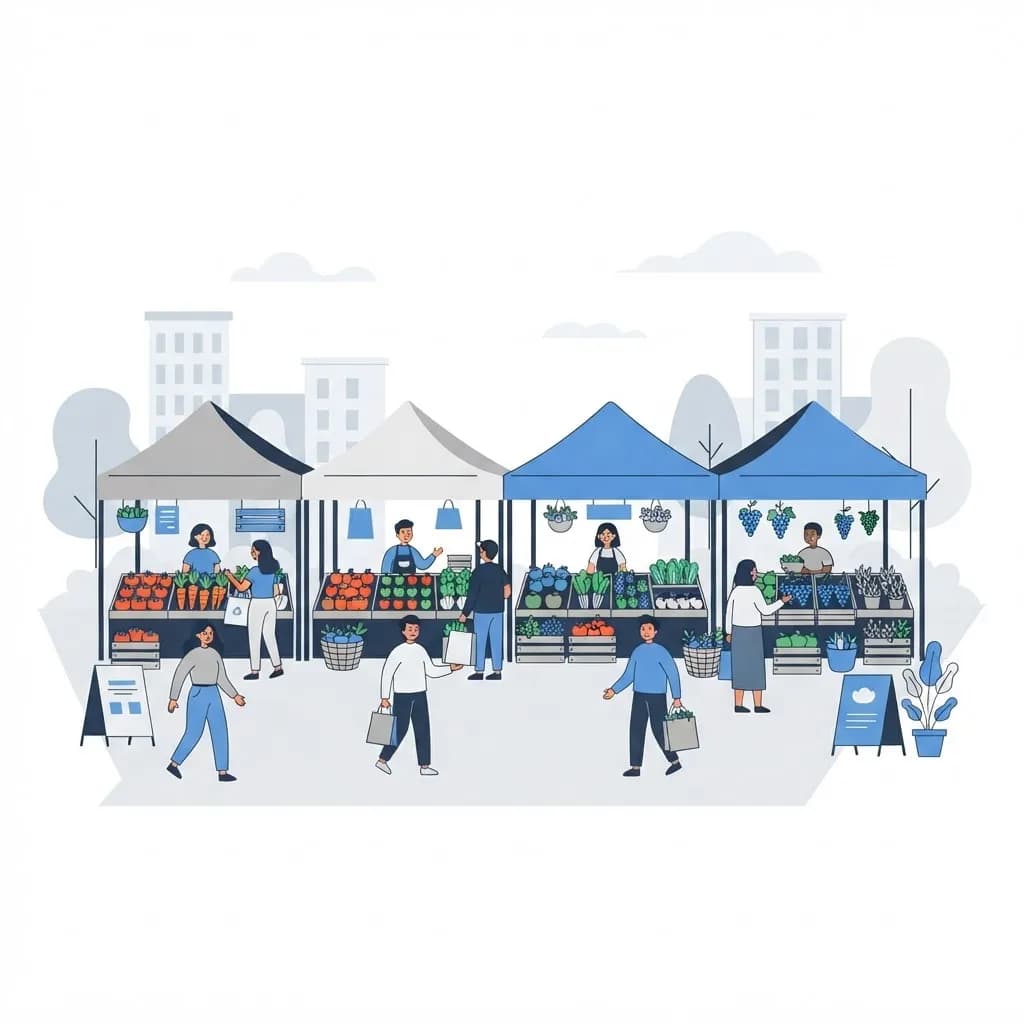
The Kirkwood Farmers Market is one of the St. Louis area's most beloved community traditions, drawing thousands of visitors to downtown Kirkwood, Missouri every week. If you're searching for fresh local produce, handmade goods, and a genuine small-town atmosphere, this market delivers all three in one walkable, family-friendly destination.
Whether you're a first-time visitor or a longtime local wondering what's new this season, this guide covers everything you need to know: what to buy, when to go, where to park, and how to get the most out of every trip to the Kirkwood Farmers Market.
What Is the Kirkwood Farmers Market?
The Kirkwood Farmers Market is an open-air market located in the heart of downtown Kirkwood, just steps from the historic train station. Operating for decades, it has grown into a year-round hub for regional farmers, growers, bakers, and artisans who sell directly to the public.
Unlike a grocery store, nearly everything here comes from within the region. Vendors bring seasonal fruits and vegetables, fresh-cut flowers, bedding plants, eggs, honey, baked goods, and specialty foods. In the fall, the market transforms into a pumpkin destination, and during the holidays it becomes a go-to spot for Christmas trees and wreaths.
The market's location makes it easy to pair a visit with breakfast or lunch at one of downtown Kirkwood's many restaurants, turning a quick shopping trip into a full morning out.
Who Visits the Kirkwood Farmers Market?
The market serves a wide range of shoppers, and each group finds something different to love:
- Home cooks looking for peak-season tomatoes, sweet corn, peaches, and greens picked at their freshest.
- Families who treat the visit as a weekend ritual, complete with kid-friendly treats and seasonal events.
- Gardeners shopping spring bedding plants, herbs, hanging baskets, and perennials.
- Gift shoppers browsing local honey, jams, candles, and handmade crafts.
- Holiday visitors hunting for pumpkins in October and fresh-cut trees in December.
Key Features of the Market
Seasonal Local Produce
The heart of the Kirkwood Farmers Market is its produce. Spring brings asparagus, strawberries, and lettuces; summer delivers tomatoes, sweet corn, melons, and peaches; fall features apples, squash, and root vegetables. Because most items are harvested within a day or two of sale, flavor and shelf life are noticeably better than typical supermarket produce.
Plants and Flowers
From April through June, the market doubles as a garden center. You'll find flats of annuals, vegetable starts, herbs, and hanging baskets grown by regional nurseries, often at prices that beat big-box stores.
Baked Goods and Specialty Foods
Local bakers offer breads, pies, cookies, and pastries, while specialty vendors sell honey, salsas, jams, kettle corn, and small-batch treats you won't find anywhere else.
Holiday Traditions
The market's pumpkin patch is a fall photo tradition for many St. Louis families, and its Christmas tree lot has been a December staple for generations.
How to Plan Your Visit
Getting the most out of the market takes just a little planning:
- Check seasonal hours. The market generally runs longer hours April through September, with reduced schedules in the off-season. Verify current hours before you go.
- Arrive early for the best selection. Popular items like peaches and sweet corn can sell out by late morning on Saturdays.
- Bring cash and a reusable bag. Most vendors accept cards, but cash speeds things up and some small stands prefer it.
- Park smart. Free parking is available in nearby downtown lots and on surrounding streets; Saturday mornings fill fast, so consider walking a block or two.
- Talk to the vendors. Ask what was picked that morning, how to store it, and what's coming next week.
Benefits of Shopping at the Kirkwood Farmers Market
Shopping at a local farmers market offers advantages that go far beyond convenience:
- Fresher food — produce is often harvested within 24-48 hours of sale.
- Support for local farms — your dollars stay in the regional economy.
- Seasonal eating — you naturally eat what's at its nutritional and flavor peak.
- Community connection — regular visits build real relationships with growers.
- Lower food miles — shorter transport distances mean a smaller environmental footprint.
Potential Challenges to Know
A few realities are worth planning around:
- Crowds on Saturday mornings — peak season weekends get busy, especially during pumpkin season.
- Weather dependence — as an open-air market, selection and comfort vary with conditions.
- Seasonal availability — you won't find summer produce in January; the trade-off is peak quality in season.
Best Practices and Tips
Veteran market shoppers swear by a few simple habits:
- Walk the full market once before buying so you can compare quality and prices.
- Buy extra at peak season and freeze or preserve for winter.
- Follow the market and individual vendors on social media for arrival announcements. Many small farms grow their audience with help from professional social media management services that keep customers informed week to week.
- Bring a cooler in the car for eggs, meat, and dairy on hot days.
Real-World Example
Consider a typical June Saturday: a family arrives at 8:30 a.m., grabs coffee from a downtown cafe, and walks the stalls. They pick up strawberries and lettuce from one farm, sourdough from a local baker, and a hanging basket for the porch. Total time: under an hour. Total spend: comparable to a grocery run, but every dollar went to a regional producer and the strawberries were picked the evening before.
Many of these vendors have also learned that a simple online presence multiplies their reach. A small farm stand with a clean, mobile-friendly site built by a professional website design team can announce weekly inventory and take pre-orders, turning casual visitors into loyal weekly customers.
Why the Kirkwood Farmers Market Matters
Farmers markets like Kirkwood's do more than sell vegetables. They anchor downtown foot traffic, incubate small food businesses, and preserve a direct link between the people who grow food and the people who eat it. In an era of anonymous supply chains, that transparency is increasingly rare and increasingly valuable.
For small vendors, the market is often a launchpad. Many successful regional food brands started at a single stall, then expanded with ecommerce solutions that let them ship jams, honey, and baked goods statewide.
Frequently Asked Questions
When is the Kirkwood Farmers Market open?
The market operates year-round with seasonal hours. Peak season (roughly April through September) offers the longest hours, typically Monday through Saturday, with reduced schedules in fall and winter. Always check the market's official channels for current times.
Is parking available near the market?
Yes. Free public parking is available in downtown Kirkwood lots and on nearby streets. Saturday mornings are busiest, so arriving before 9 a.m. makes parking much easier.
Do vendors accept credit cards?
Most vendors accept cards and mobile payments, but a few smaller stands are cash-only. Bringing some cash is always a safe bet.
Is the market family and pet friendly?
The market is very family friendly, with seasonal events aimed at kids. Pet policies can vary, so check current market rules before bringing your dog.
Conclusion
The Kirkwood Farmers Market combines fresh regional food, local craftsmanship, and genuine community spirit in one easy-to-visit downtown location. Whether you come for June peaches, October pumpkins, or a December tree, you'll leave with something better than a grocery run: a connection to the people who grew it.
If you run a market stand or local food business and want to reach more customers online, consider partnering with digital marketing experts who can help your local brand grow beyond the market stall.
Enjoyed this article? Share it with others!