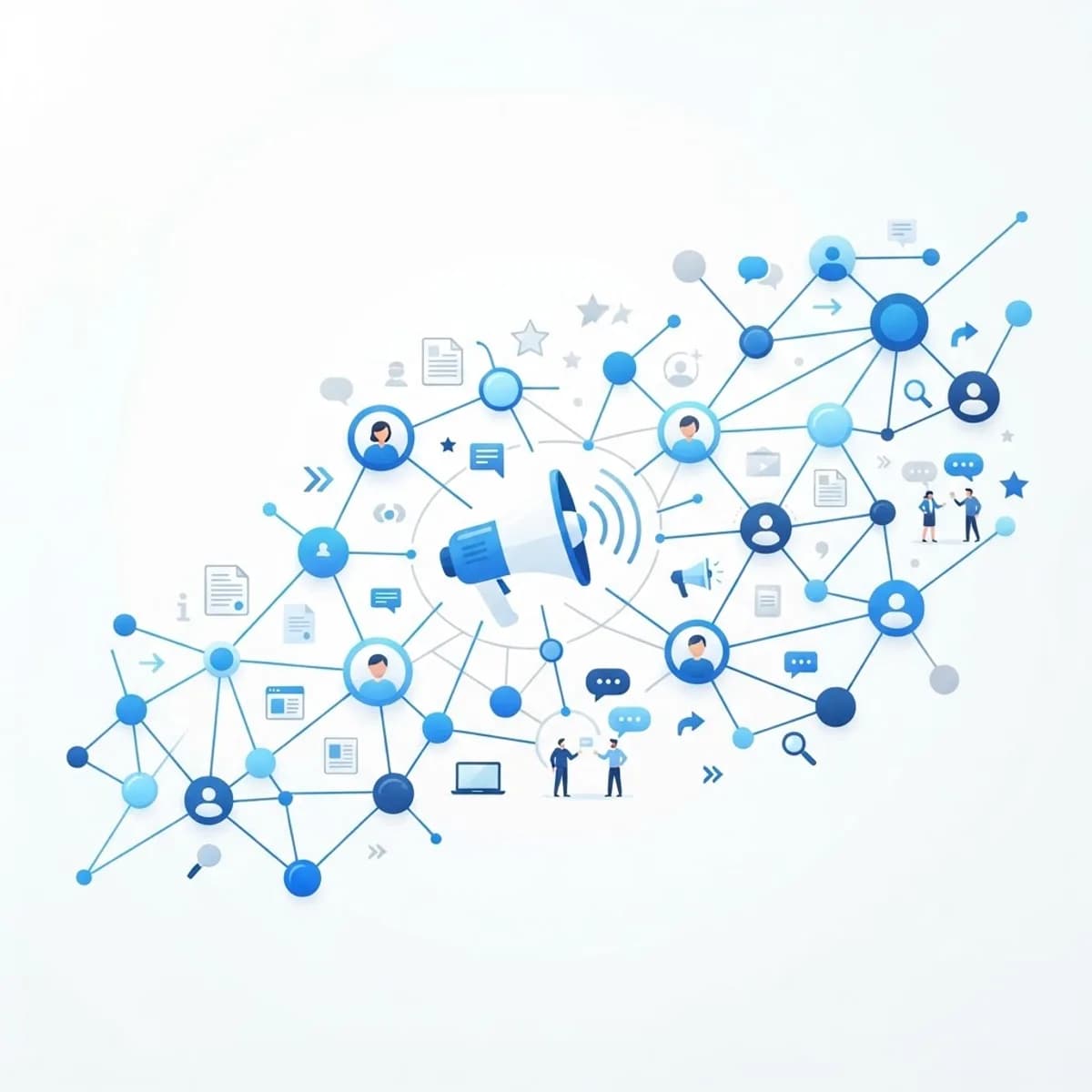
Indirect marketing is a subtle yet powerful approach that builds brand awareness and trust without pushing a hard sell. Instead of directly asking people to buy, it focuses on providing value, building relationships, and staying top of mind.
Think of content marketing, SEO, and word-of-mouth. These tactics nurture audiences over time, so when they are ready to buy, your brand is the natural choice.
In this guide, we explore what indirect marketing is, the strategies involved, and how to use it effectively for long-term growth.
What Is Indirect Marketing?
Indirect marketing is a strategy that promotes a brand without directly asking for a sale. It relies on building awareness, credibility, and relationships over time.
The focus is on value-driven engagement rather than immediate conversions. It plays the long game, earning trust before asking for anything.
Common examples include blogging, social media content, SEO, public relations, and referrals.
Who Uses Indirect Marketing?
Businesses of all types use indirect marketing to build sustainable growth.
- Startups building brand awareness on a budget
- Established brands nurturing customer loyalty
- Service providers earning trust and authority
- B2B companies with long sales cycles
- Content creators and educators
Key Features
Content Marketing
Blogs, videos, and guides provide value that attracts and educates your audience naturally.
Search Engine Optimization
SEO helps people discover your brand organically when they search for related topics.
Word-of-Mouth and Referrals
Happy customers recommend your brand, creating trusted, low-cost growth.
Social Media Engagement
Consistent, helpful social content keeps your brand visible without hard selling.
How to Get Started
Building an indirect marketing strategy takes planning and consistency.
- Define your audience and their interests.
- Create valuable content that solves their problems.
- Optimize your content for search engines.
- Engage authentically on social media.
- Measure results and refine your approach.
Benefits
Indirect marketing offers lasting advantages for brands.
- Builds long-term trust and credibility
- Cost-effective compared to paid ads
- Generates sustainable organic traffic
- Strengthens customer loyalty
- Supports word-of-mouth growth
Potential Challenges
This approach also requires patience and effort.
- Results take time to build
- Requires consistent content creation
- Harder to measure immediate ROI
- Demands ongoing strategy and quality
Best Practices and Tips
Maximize your indirect marketing with these tips.
- Focus on genuinely helpful, high-quality content
- Stay consistent across channels
- Optimize everything for search and shareability
- Nurture relationships, not just transactions
Real-World Example
Consider a software company that publishes helpful how-to guides and tutorials instead of running aggressive ads. Over time, its blog attracts thousands of visitors searching for solutions.
When those readers are ready to buy, the company is already their trusted resource. This success was fueled by strong strategic content writing and a well-structured site built with robust back-end web development.
Why It Matters
Modern consumers dislike being sold to but love being helped. Indirect marketing meets them where they are, building trust that direct ads often cannot.
Brands that pair valuable content with smart data-driven digital marketing create a compounding effect that fuels growth for years.
Frequently Asked Questions
What is the difference between direct and indirect marketing?
Direct marketing asks for an immediate action or sale, while indirect marketing builds awareness and trust over time without a hard sell.
Is indirect marketing effective?
Yes. It builds lasting trust and organic growth, though it requires patience and consistency to see results.
What are examples of indirect marketing?
Content marketing, SEO, social media engagement, public relations, and word-of-mouth referrals are all common examples.
Conclusion
Indirect marketing is a smart, sustainable way to grow your brand by earning trust and delivering value. Over time, it builds loyal audiences who choose you naturally.
Ready to build a content-driven growth engine? Start with AI-powered marketing solutions.
Enjoyed this article? Share it with others!