
Introduction to Housing Challenges
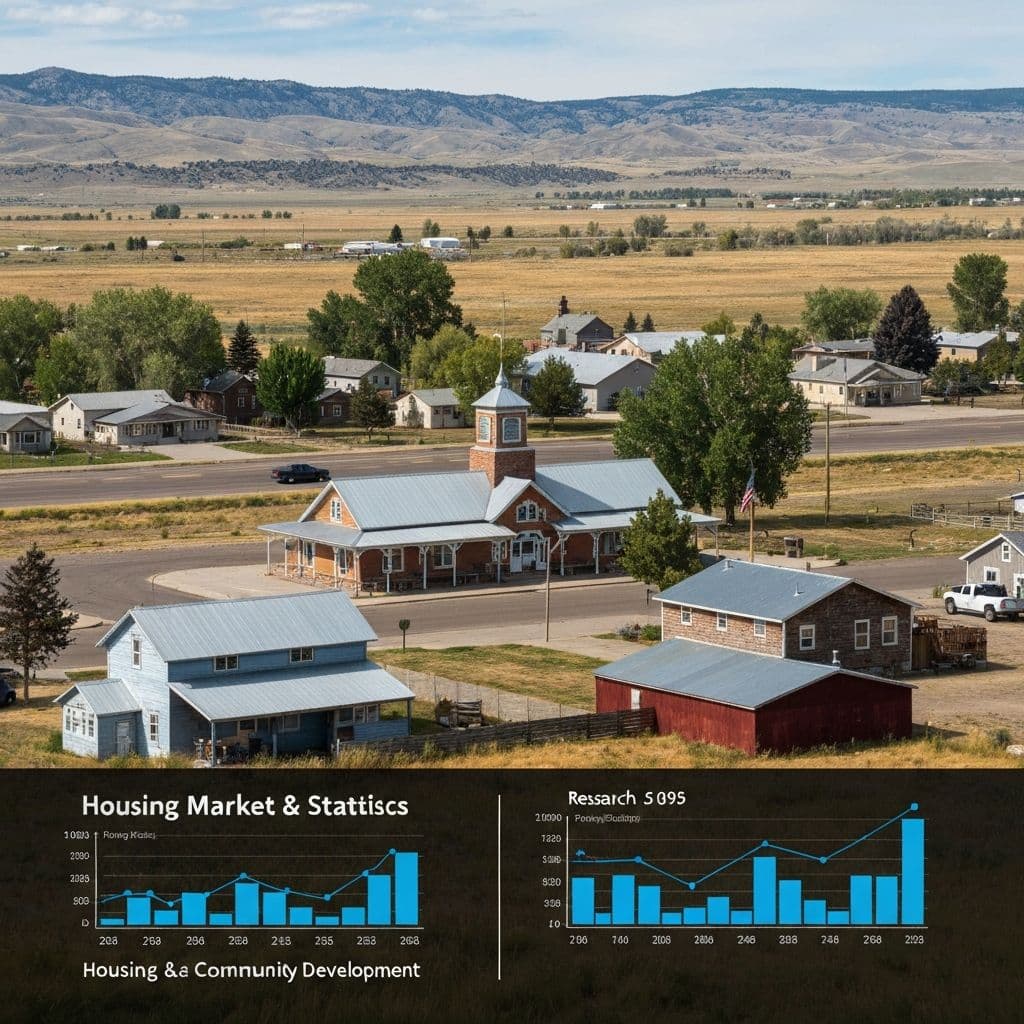
The housing crisis in rural America has created significant challenges for communities across the nation. Shoshone County, Idaho, experienced particular hardship during 2020, with eviction rates reflecting broader housing instability issues. The Idaho Policy Institute conducted comprehensive research documenting these trends and their implications for community welfare. Understanding these statistics helps inform policy discussions and community support initiatives. For more information on housing policies and related data, check Tulu E Biz for comprehensive policy analysis and reports.
Data Collection and Methodology
The Idaho Policy Institute employed rigorous research methodologies to collect and analyze eviction data from Shoshone County. Researchers examined court records, landlord-tenant disputes, and housing transaction data to compile comprehensive statistics. The study period of 2020 captured the impact of the COVID-19 pandemic on housing stability and eviction trends. Methodological rigor ensures that the findings provide reliable insights into actual eviction rates and patterns.
2020 Eviction Statistics
The formal eviction data from 2020 reveals significant housing instability in Shoshone County. The eviction rates documented during this period reflected economic disruptions caused by pandemic-related employment losses and housing market pressures. These statistics provide quantitative evidence of housing challenges affecting individual families and community stability.
Socioeconomic Factors
Multiple socioeconomic factors contributed to elevated eviction rates in Shoshone County during 2020. Economic disruption, employment uncertainty, and limited access to affordable housing created precarious situations for many families. The research highlights connections between income inequality, employment stability, and housing security, demonstrating how these factors interact to create housing crises.
COVID-19 Pandemic Impact
The pandemic significantly exacerbated housing instability in rural areas like Shoshone County. Business closures, reduced employment, and economic uncertainty forced many families to reduce housing expenditures or seek alternative arrangements. The temporal coincidence between pandemic onset and eviction data collection provides unique insights into how economic shocks affect housing stability.
Community Support Systems
Local organizations and government agencies implemented various support programs to mitigate housing instability during 2020. Emergency rental assistance programs, eviction prevention services, and housing support initiatives provided critical assistance to affected families. The success of these interventions demonstrates the importance of targeted community support during housing crises.
Policy Implications and Recommendations
The Idaho Policy Institute's research informs policy discussions at local, state, and national levels. Recommendations emerging from this analysis include strengthening tenant protections, expanding affordable housing supply, and improving economic support systems. Policymakers can use these insights to develop more effective housing stability interventions.
Conclusion
The eviction data from Shoshone County in 2020 documented by the Idaho Policy Institute reveals significant housing challenges in rural America. Understanding these trends and their underlying causes enables communities to develop more effective responses to housing instability and supports evidence-based policymaking for improved housing security.
Enjoyed this article? Share it with others!