If you have spent any time in online business circles, you have felt it: countdown timers on everything, screenshots of Stripe dashboards, promises of six figures in ninety days. Understanding the bro marketing meaning helps you recognize these tactics, whether you are a consumer trying not to get burned or a business owner deciding how to sell.
This guide defines bro marketing, breaks down its signature techniques, explains why it persists, and offers ethical alternatives that convert without the manipulation.
What Is Bro Marketing?
Bro marketing is a style of high-pressure, hype-driven selling built on urgency, scarcity, status flexing, and emotional manipulation. The term emerged from the online coaching and course-selling world, where a certain archetype popularized aggressive launch formulas, fake scarcity, and income-claim advertising as the default playbook.
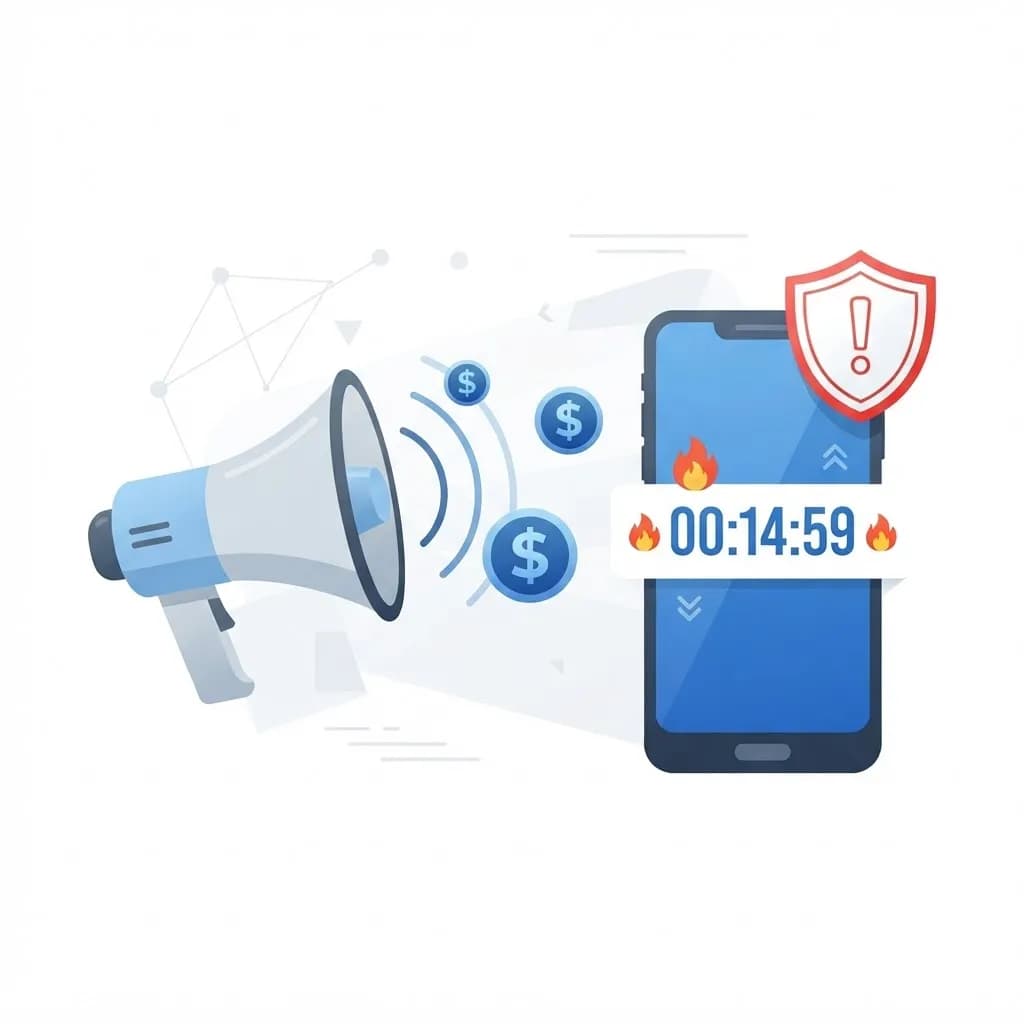
Classic hallmarks include ever-present countdown timers, doors closing tonight messaging, luxury lifestyle imagery as proof of expertise, and webinars engineered so the pitch consumes half the runtime.
Importantly, bro marketing is not defined by the marketer's gender. Plenty of marketers of every background use these tactics, and plenty of men market ethically. The term describes a style, not a person.
Who Encounters Bro Marketing?
These tactics concentrate in predictable spaces:
- Aspiring entrepreneurs targeted by business coaching offers
- Freelancers and creators pitched scale to six figures programs
- Consumers in fitness, crypto, and passive income niches
- Small business owners sold done-for-you agency services with inflated promises
Key Tactics That Define Bro Marketing
Manufactured Urgency and Scarcity
Countdown timers that reset when the page reloads, only 3 spots left claims on digital products with infinite inventory, and price doubles at midnight offers that quietly repeat monthly.
Income Claims and Lifestyle Flexing
Revenue screenshots without context (gross vs. profit, ad spend omitted), rented sports cars, and airport lounge selfies substituting for actual evidence of client results.
Pain-Point Amplification
Copy engineered to make prospects feel broken, behind, or lazy, then positioning the product as the only escape. Emotional agitation is the engine of the funnel.
Guru Positioning
Discouraging questions, dismissing skeptics as broke haters, and framing refund requests as a mindset failure rather than a product failure.
How to Evaluate an Offer Before Buying
Protect yourself with a simple checklist:
- Search the seller's name plus review and refund; read beyond their own testimonials.
- Ask for verifiable client outcomes, not income screenshots.
- Check whether the deadline is real by revisiting the page in a private window days later.
- Read the refund policy before checkout, not after.
- Sleep on any purchase over a meaningful amount; real opportunities survive a night's sleep.
Why Bro Marketing Persists: The Uncomfortable Truth
These tactics survive because, in the short term, they work:
- Urgency genuinely increases conversion rates, even when fake
- Emotional buying decisions outpace rational evaluation
- Income claims exploit real financial anxiety
- Refund friction and sunk-cost psychology suppress complaints
- Platforms reward engagement, and outrage-adjacent hype is engaging
Potential Damage It Causes
The costs land on both sides of the transaction:
- Buyers lose money on overpromised, underdelivered programs
- Sellers burn audience trust that never fully returns
- Refund disputes and chargebacks accumulate into payment processor bans
- Entire niches, like online coaching, inherit a credibility discount
Ethical Alternatives That Still Convert
You can sell hard without selling dishonestly:
- Use real deadlines tied to actual events: cohort start dates, genuine capacity limits
- Show specific, verifiable case studies instead of lifestyle imagery
- Educate first; audiences buy from sources that made them smarter
- Make refund terms clear and honor them without friction
Trust-based selling scales beautifully through owned channels. Consistent value-first email marketing and genuinely useful content writing build the kind of audience that buys repeatedly, no countdown timer required.
Real-World Example
A business coach spent two years running classic bro-style launches: big promises, four-day cart windows, aggressive urgency. Revenue spiked each launch, then refund requests and churn ate the gains, and her email engagement collapsed between launches.
She rebuilt around teaching openly, publishing honest client case studies, and selling with real (cohort-based) deadlines through a credible website rebuilt by a professional website design team. Launch revenue initially dipped 20 percent, but annual revenue rose 60 percent as refunds vanished and referrals compounded.
Why It Matters
Understanding the bro marketing meaning is consumer self-defense and business strategy in one. Buyers who recognize the pattern stop funding it; sellers who abandon it build brands that survive algorithm changes, platform bans, and public scrutiny. Google's helpful content standards increasingly reward the same honesty.
Frequently Asked Questions
Is bro marketing illegal?
Some of it is. Fake scarcity, undisclosed material connections, and unsubstantiated income claims can violate FTC rules and similar regulations elsewhere. Much of it lives in a gray zone that is legal but corrosive to trust.
Is all urgency in marketing bad?
No. Real deadlines, real capacity limits, and real seasonal offers are legitimate and effective. The line is honesty: urgency becomes bro marketing when it is manufactured or false.
How can I tell if a coach or course is legitimate?
Look for verifiable client outcomes, transparent pricing, clear refund terms, and content that teaches something useful before asking for money. Absence of all four is your answer.
What is the opposite of bro marketing?
Trust-based or education-first marketing: building an audience through genuine value, selling with honest claims and real deadlines, and treating refunds as feedback rather than betrayal.
Conclusion
The bro marketing meaning boils down to this: manipulation dressed as motivation. It converts fast and corrodes faster. Whether you are buying or selling, choosing substance over hype is both the ethical move and, over any horizon longer than a launch week, the profitable one.
If you want marketing that builds trust instead of burning it, a value-first digital marketing approach is where to start.
Enjoyed this article? Share it with others!